
Depression is common, and it is often missed: the U.S. Preventive Services Task Force (USPSTF) notes that only an estimated 50% of patients with major depression are identified. In its 2023 recommendation, the Task Force recommends screening for depression in adults, including pregnant and postpartum people and older adults. Here is who should be screened, what the questions are and what happens next.
Who should be screened
The recommendation, published June 20, 2023, applies to adults 19 and older, including pregnant and postpartum people and adults 65 and older, who do not have a diagnosed mental health condition or recognizable signs or symptoms of depression. The Task Force recommends screening all adults regardless of risk factors. It gave depression screening a grade B, concluding with moderate certainty that screening adults for depression has a moderate net benefit.
Some people have a higher risk
Everyone is included, but some things increase the risk of depression: a family history of depression, an earlier episode of depression or another mental health condition, a history of trauma or adverse life events, or a history of disease or illness, such as heart disease. Women have twice the risk of depression compared with men. During pregnancy and after birth, life stress, low social support and a history of depression are among the risk factors.
What the screening tools are
Depression screening uses a short questionnaire, and the Task Force notes that many brief tools are appropriate for use in primary care. Commonly used ones include the Patient Health Questionnaire (PHQ) in various forms for adults, the Center for Epidemiologic Studies Depression Scale, the Geriatric Depression Scale for older adults and the Edinburgh Postnatal Depression Scale during pregnancy and after birth. Some, such as the PHQ-9, also include questions about thoughts of suicide.
What depression can look like
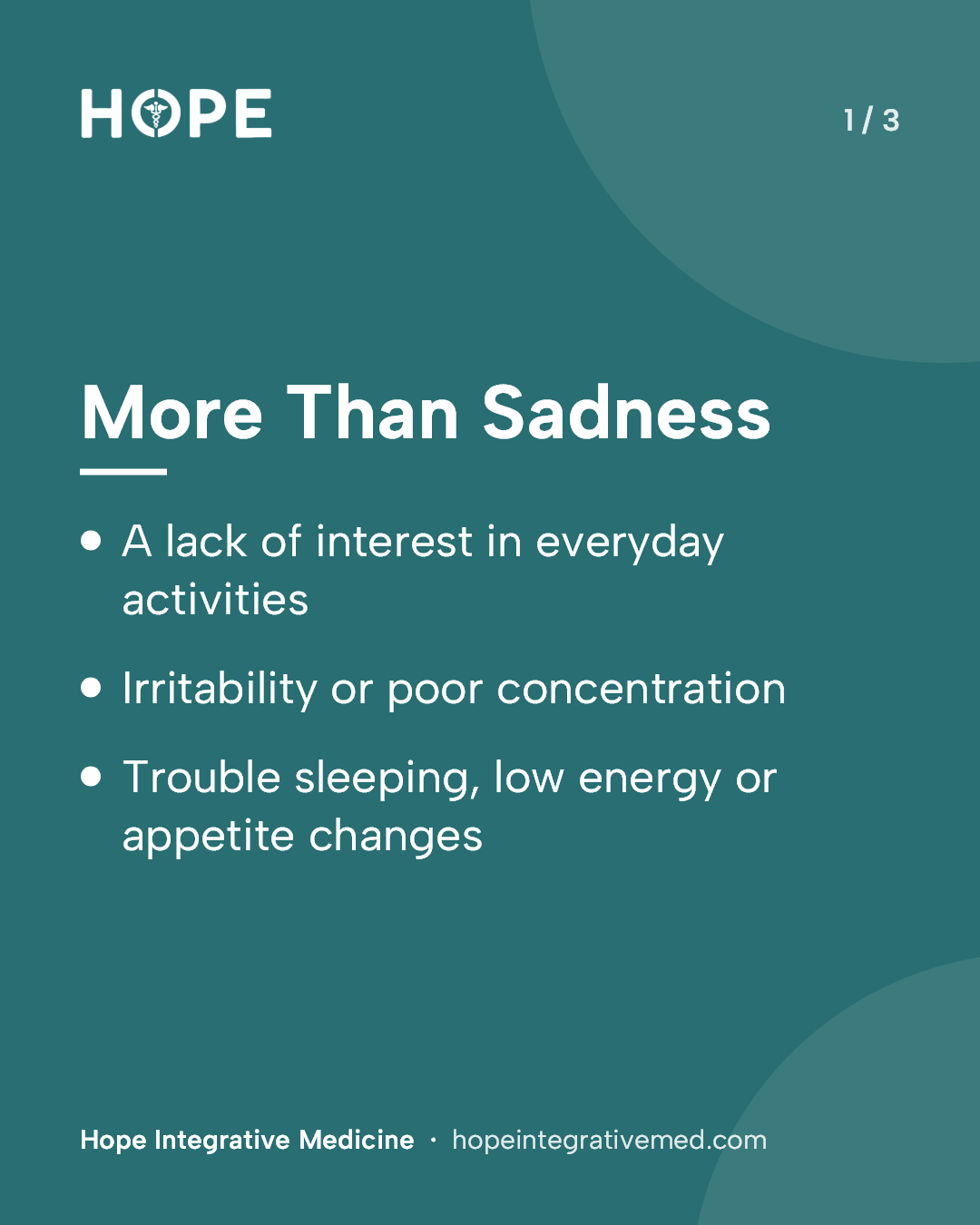
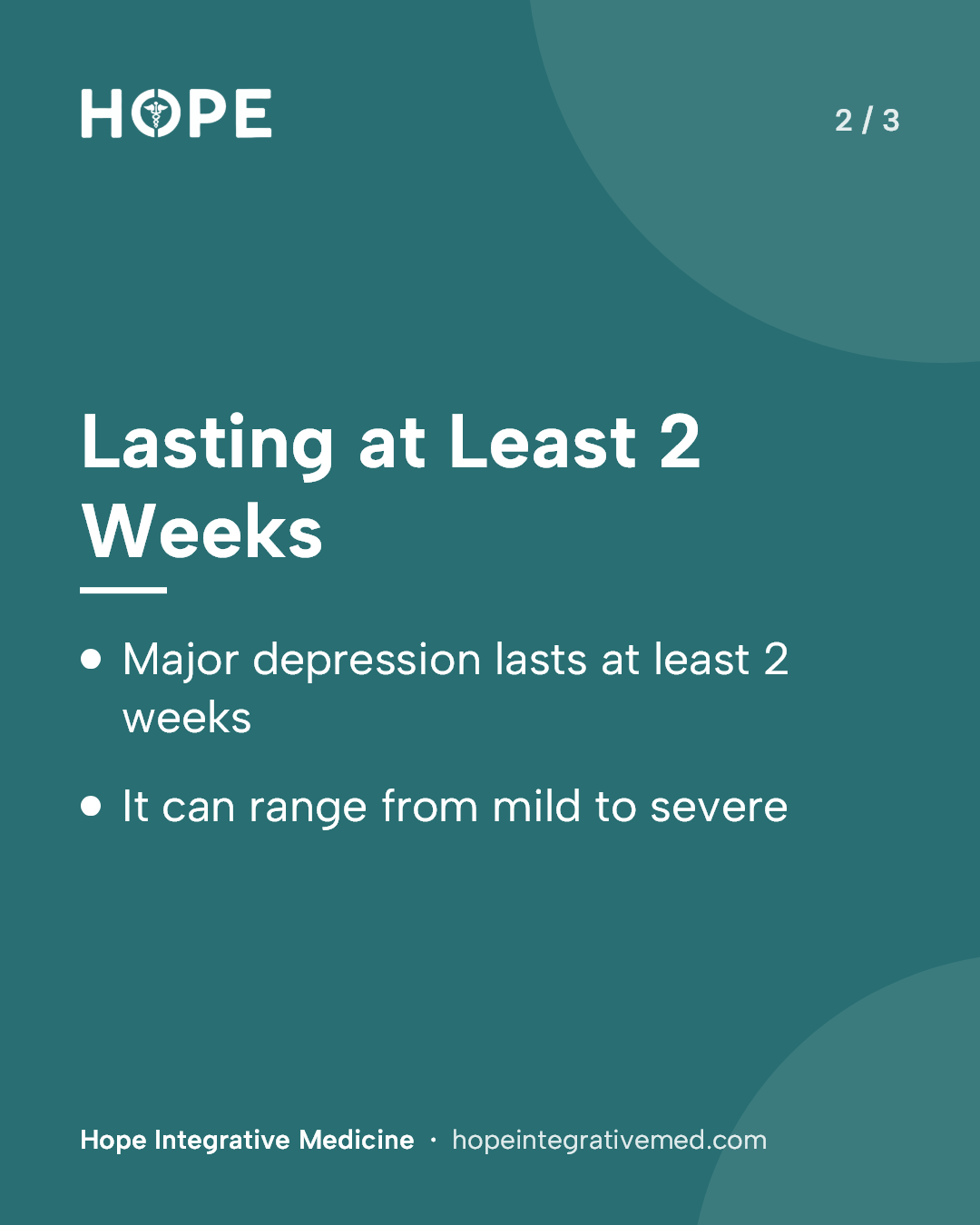
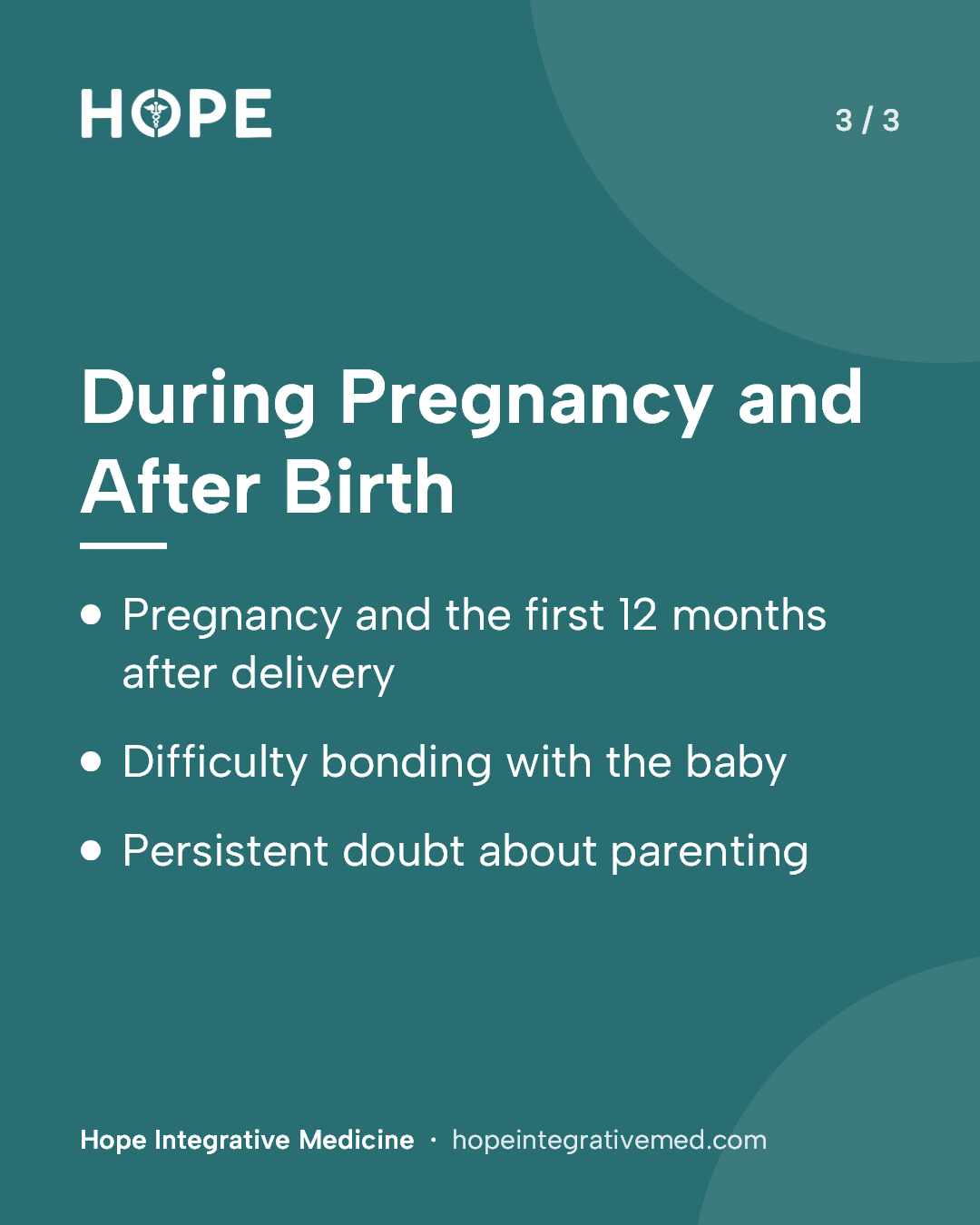
Major depression means at least 2 weeks of mild to severe persistent feelings of sadness or a lack of interest in everyday activities. It can also show up as irritability, poor concentration, difficulty sleeping, decreased energy or changes in appetite. During pregnancy and in the first 12 months after delivery, it can also include difficulty bonding with the baby or persistent doubt about parenting abilities.
Ready to Get Started?
Primary care, mental health, and addiction medicine in one practice. New patients are often able to be scheduled within a week of requesting an appointment.
5 cards. Swipe or tap to see the next one.
A positive screen is a starting point
The Task Force says all positive screening results should lead to additional assessment to confirm the diagnosis, determine how severe symptoms are and identify related conditions. Anxiety and depression often overlap. If depression is confirmed, the Task Force says effective treatment for adults generally includes antidepressant medication or psychotherapy, alone or in combination.
How often to be screened
There is little evidence on the best timing for depression screening. The Task Force suggests a practical approach: screening adults who have not been screened before, and using clinical judgment about risk factors, other health conditions and life events to decide whether people at increased risk need additional screening. During pregnancy and after birth, ongoing assessment is also a reasonable approach.
A question to bring to your next visit
"Have I been screened for depression, and when should I be screened again?"
Depression care at Hope Integrative Medicine
Our mental health team provides psychiatric medication management and counseling for depression and other conditions, in person in West Ashley or by telehealth across South Carolina. New patients are often able to be scheduled within a week of requesting an appointment. Request an appointment.
Sources: U.S. Preventive Services Task Force, Depression and Suicide Risk in Adults: Screening (2023).
This article is general information, not medical advice, and does not create a patient–provider relationship. Every situation is different, so see a provider who can evaluate yours and develop a plan of care. Any medication discussed here may not be right for you: the right choice depends on your diagnoses, other health conditions and current medicines, so take medication only as directed by the provider managing your care. If you are ever in doubt about an emergency, call 911 or go to the nearest emergency room. If you are having thoughts of suicide, call or text 988, or call 911 if you are in immediate danger.
Frequently Asked Questions
The USPSTF recommends depression screening for adults 19 and older who do not have a diagnosed mental health disorder or recognizable signs or symptoms of depression or suicide risk, including pregnant and postpartum people and adults 65 and older, regardless of risk factors.
Commonly used tools include the Patient Health Questionnaire (PHQ) for adults, the Geriatric Depression Scale for older adults and the Edinburgh Postnatal Depression Scale during pregnancy and after birth.
Not on its own. The USPSTF says all positive screening results should lead to additional assessment to confirm the diagnosis and determine how severe symptoms are.
During pregnancy and in the first 12 months after delivery, depression can also include difficulty bonding with the baby or persistent doubt about parenting abilities. Life stress, low social support and a history of depression are among the risk factors.
Yes. Some depression screening questionnaires, such as the PHQ-9, also include questions about thoughts of suicide. If you are having thoughts of suicide, call or text 988, or call 911 if you are in immediate danger.