
A sudden wave of fear, a pounding heart, trouble breathing: a panic attack can feel frightening, and it can come out of nowhere. If it has happened to you, you are not alone, and help is available. Panic disorder is common, it can be treated, and knowing the signs is a good first step. Here is what a panic attack feels like, how panic disorder is diagnosed and what treatment can include.
A panic attack or panic disorder?
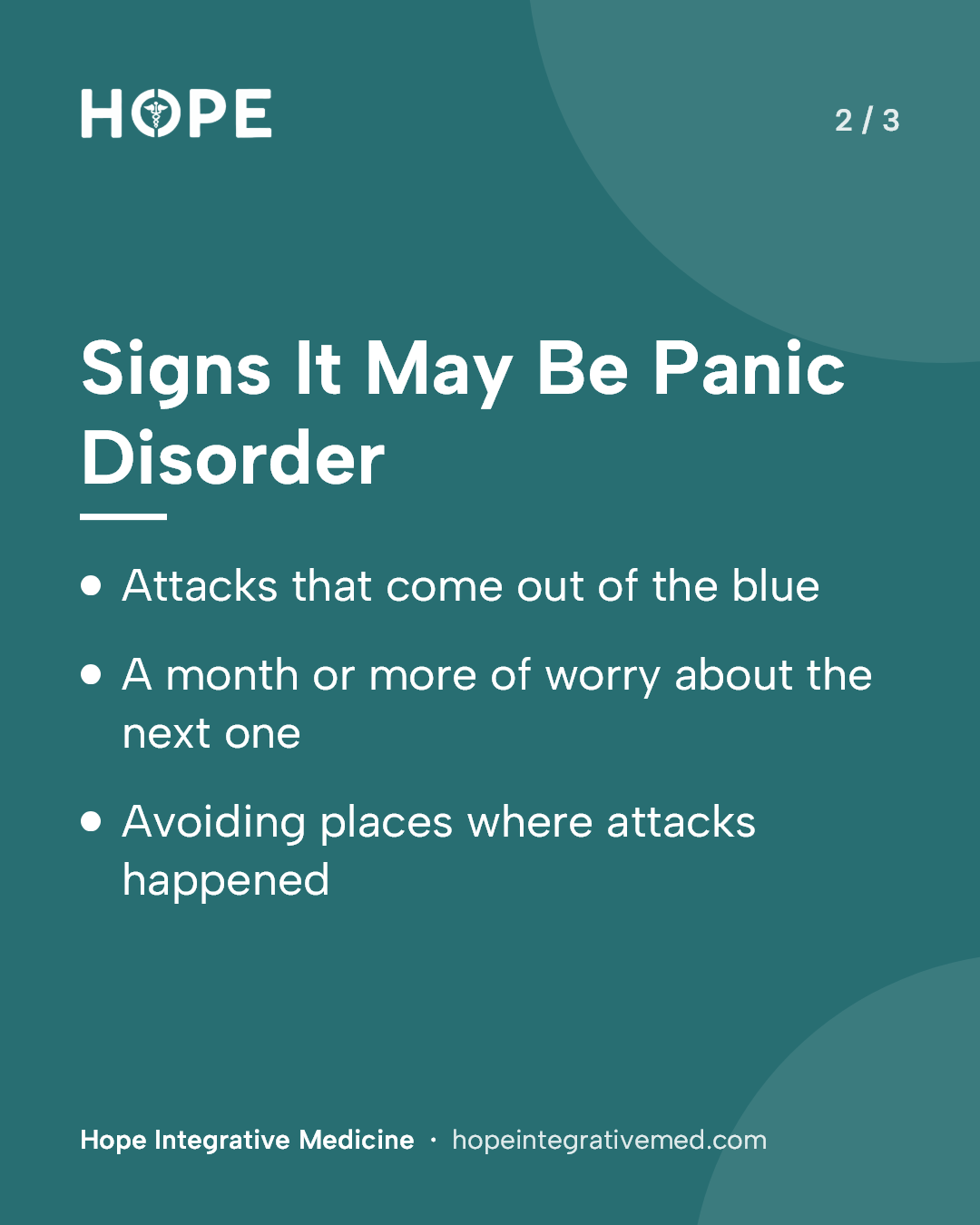
The National Institute of Mental Health (NIMH) describes a panic attack as a one-time or occasional episode of intense fear with physical and emotional symptoms. Not everyone who has a panic attack will develop panic disorder. People with panic disorder have frequent and unexpected panic attacks, and they spend a long time worrying about the next one. Many change their lives to avoid having another attack.
Panic attacks can happen at any time, sometimes even during sleep. They can come several times a day or only a few times a year. An attack can last from a few minutes to an hour, or sometimes longer.
What a panic attack can feel like
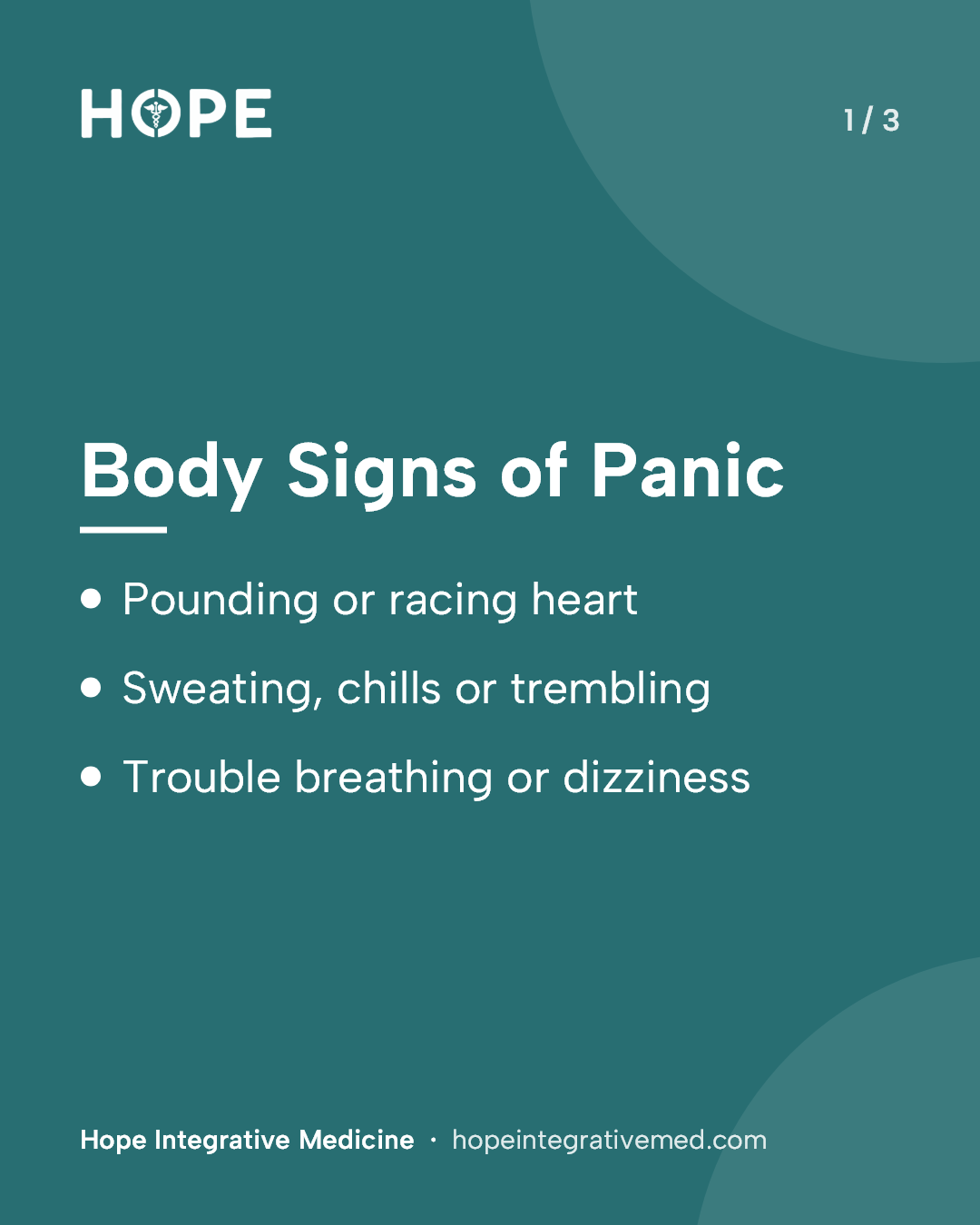
NIMH lists these physical symptoms during a panic attack: a pounding or racing heart, sweating, chills, trembling, trouble breathing, weakness or dizziness, tingly or numb hands, chest pain, and stomach pain or nausea.
The emotional side can include sudden, repeated attacks of overwhelming anxiety and fear, a feeling of being out of control, and a fear of death or of something terrible about to happen. Between attacks, people with panic disorder often have intense worry about when the next attack will come, and fear or avoid places where attacks have happened before.
When it feels like a heart attack
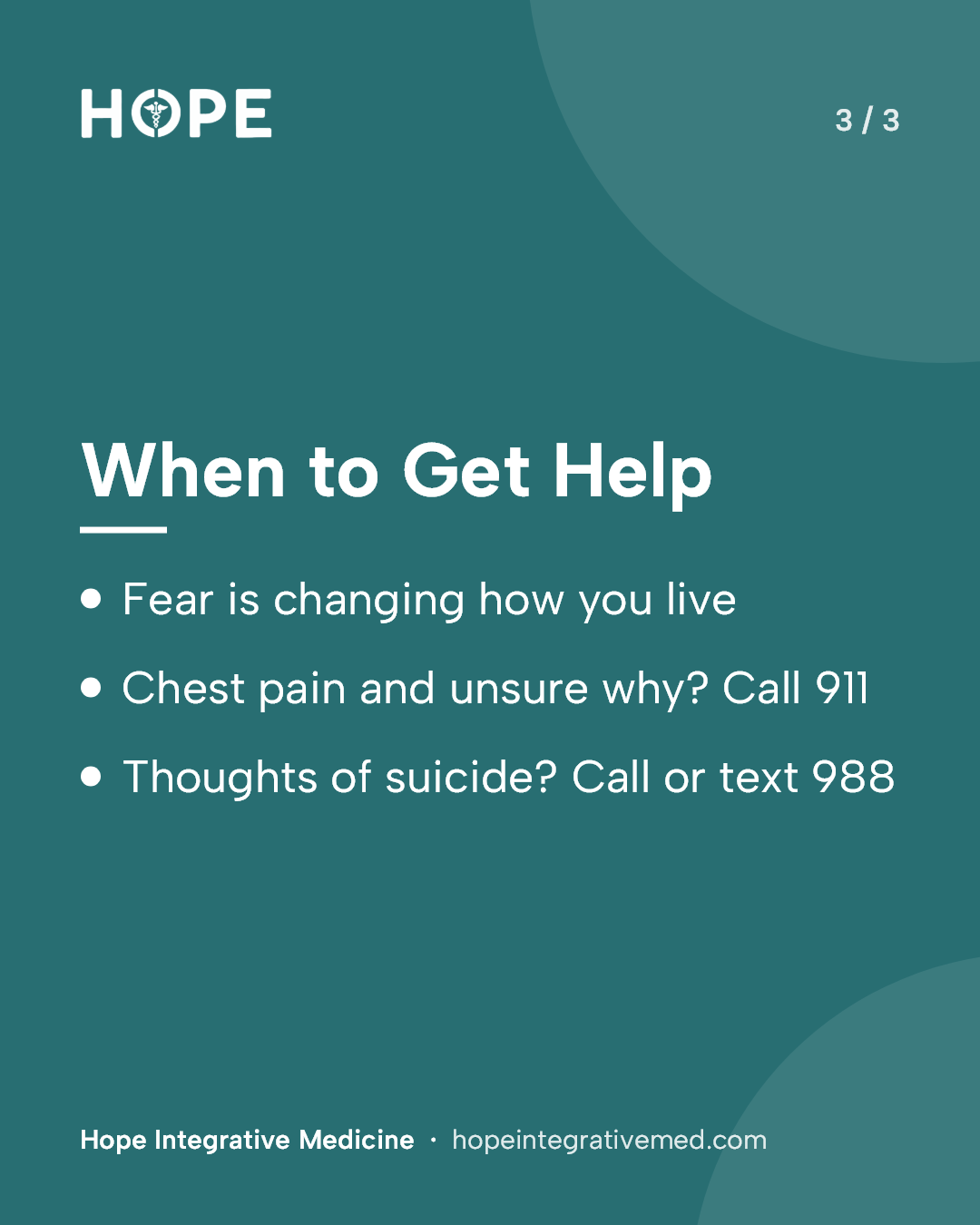
NIMH notes that panic attacks often include physical symptoms that can feel like a heart attack, although panic attacks themselves are not life-threatening. That fear can feed a cycle: a pounding heart feels like a heart attack, which brings more fear. Chest pain can have other causes, too, so do not guess. If you have chest pain and are not sure what is causing it, call 911 or go to the nearest emergency room.
Who is more likely to have panic disorder
Panic disorder often begins in the late teens or early adulthood, and women are more likely than men to develop it. It sometimes runs in families. NIMH estimates that 2.7% of U.S. adults had panic disorder in the past year, 3.8% of women and 1.6% of men.
Some people also develop agoraphobia, an intense fear of places or situations where it might be hard to get away or get help during a panic attack. NIMH says agoraphobia can sometimes develop alongside panic disorder.
How panic disorder is diagnosed
A health care provider, such as a primary care provider, psychiatrist, psychologist or clinical social worker, will ask about your symptoms. NIMH explains that a diagnosis means repeated, unexpected panic attacks, along with at least 1 month of worrying about having more attacks or changing your behavior because of them. Your provider may also do a physical exam to make sure an unrelated physical problem is not causing your symptoms. Providers use the American Psychiatric Association's diagnostic manual, the DSM-5-TR, to make the formal diagnosis.
A short questionnaire at a checkup can be a first step. The U.S. Preventive Services Task Force recommends anxiety screening for adults 19 to 64, and panic disorder is one of the anxiety disorders it covers.
Ready to Get Started?
Primary care, mental health, and addiction medicine in one practice. New patients are often able to be scheduled within a week of requesting an appointment.
What treatment can include
Treatment can include medication, counseling or both. NIMH says finding the best treatment may take some trial and error, and both talk therapy and medication can take some time to work. With the right treatment and support, people with panic disorder can manage their symptoms and improve their quality of life.
Talk therapy. NIMH calls cognitive behavioral therapy (CBT) the "gold standard" talk therapy for panic disorder. CBT often includes exposure therapy, which helps you face the fears and beliefs behind the panic. One CBT technique, interoceptive exposure, gently brings on the body sensations that come with panic, such as a racing heart, in a safe setting, so they feel less frightening over time. Talk with a provider about whether talk therapy fits you.
Antidepressants. Selective serotonin reuptake inhibitors (SSRIs) and serotonin-norepinephrine reuptake inhibitors (SNRIs) can help treat panic disorder, but they may take several weeks to start working. Side effects such as headaches, nausea or trouble sleeping are usually not severe, especially when the dose starts low and goes up slowly.
Benzodiazepines. These can ease panic symptoms quickly, but some people build up a tolerance to them or become dependent on them, so they are usually prescribed only for short periods.
Beta-blockers. These can help control some physical symptoms, such as a racing heart, although NIMH says they are not commonly prescribed for panic disorder.
Good sleep, exercise, a healthy diet and support from people you trust can help, but they do not replace treatment. Do not stop a medicine without talking to your provider first.
A question to bring to your next visit
"Could my sudden attacks of fear be panic attacks, and would therapy, medication or both fit me?"
If you or someone you know is struggling or having thoughts of suicide, call or text 988 any time. The 988 Suicide & Crisis Lifeline is free and confidential.
Anxiety care at Hope Integrative Medicine
Our mental health team provides psychiatric medication management, counseling and anxiety treatment, in person in West Ashley or by telehealth across South Carolina. New patients are often able to be scheduled within a week of requesting an appointment. Request an appointment.
Sources: National Institute of Mental Health, Panic Disorder: When Fear Overwhelms (2025); National Institute of Mental Health, Panic Disorder statistics; U.S. Preventive Services Task Force, Anxiety Disorders in Adults: Screening (2023); American Psychiatric Association, Diagnostic and Statistical Manual of Mental Disorders, Fifth Edition, Text Revision (DSM-5-TR, 2022); 988 Suicide & Crisis Lifeline.
This article is general information, not medical advice, and does not create a patient–provider relationship. Every situation is different, so see a provider who can evaluate yours and develop a plan of care. Any medication discussed here may not be right for you: the right choice depends on your diagnoses, other health conditions and current medicines, so take medication only as directed by the provider managing your care. If you are ever in doubt about an emergency, call 911 or go to the nearest emergency room. If you are having thoughts of suicide, call or text 988, or call 911 if you are in immediate danger.
Frequently Asked Questions
The National Institute of Mental Health describes a panic attack as a one-time or occasional episode of intense fear with physical and emotional symptoms. People with panic disorder have frequent, unexpected panic attacks and spend at least a month worrying about having more.
NIMH lists a pounding or racing heart, sweating, chills, trembling, trouble breathing, weakness or dizziness, tingly or numb hands, chest pain, and stomach pain or nausea, along with a feeling of being out of control or a fear of death.
NIMH says a panic attack can last from a few minutes to an hour, or sometimes longer. Attacks can happen at any time, even during sleep.
Yes. NIMH notes that panic attacks often include physical symptoms that can feel like a heart attack, although panic attacks themselves are not life-threatening. Chest pain can have other causes, so if you have chest pain and are not sure why, call 911 or go to the nearest emergency room.
Treatment can include medication, counseling or both. NIMH calls cognitive behavioral therapy the gold standard talk therapy for panic disorder, and SSRI and SNRI antidepressants can help, though they may take several weeks to work.
NIMH says benzodiazepines can ease panic symptoms quickly, but some people build up a tolerance or become dependent on them, so they are usually prescribed only for short periods.