What Depression Can Look Like
Based on U.S. Preventive Services Task Force, Depression and Suicide Risk in Adults: Screening (2023)
5 cards. Swipe or tap to see the next one.
Who the U.S. Preventive Services Task Force says should be screened for depression, the brief questionnaires used, and what happens after a positive screen.
Ready to Talk With Someone?
We care for anxiety, depression and stress in West Ashley and by telehealth across South Carolina. Schedule an appointment today.
In this guide
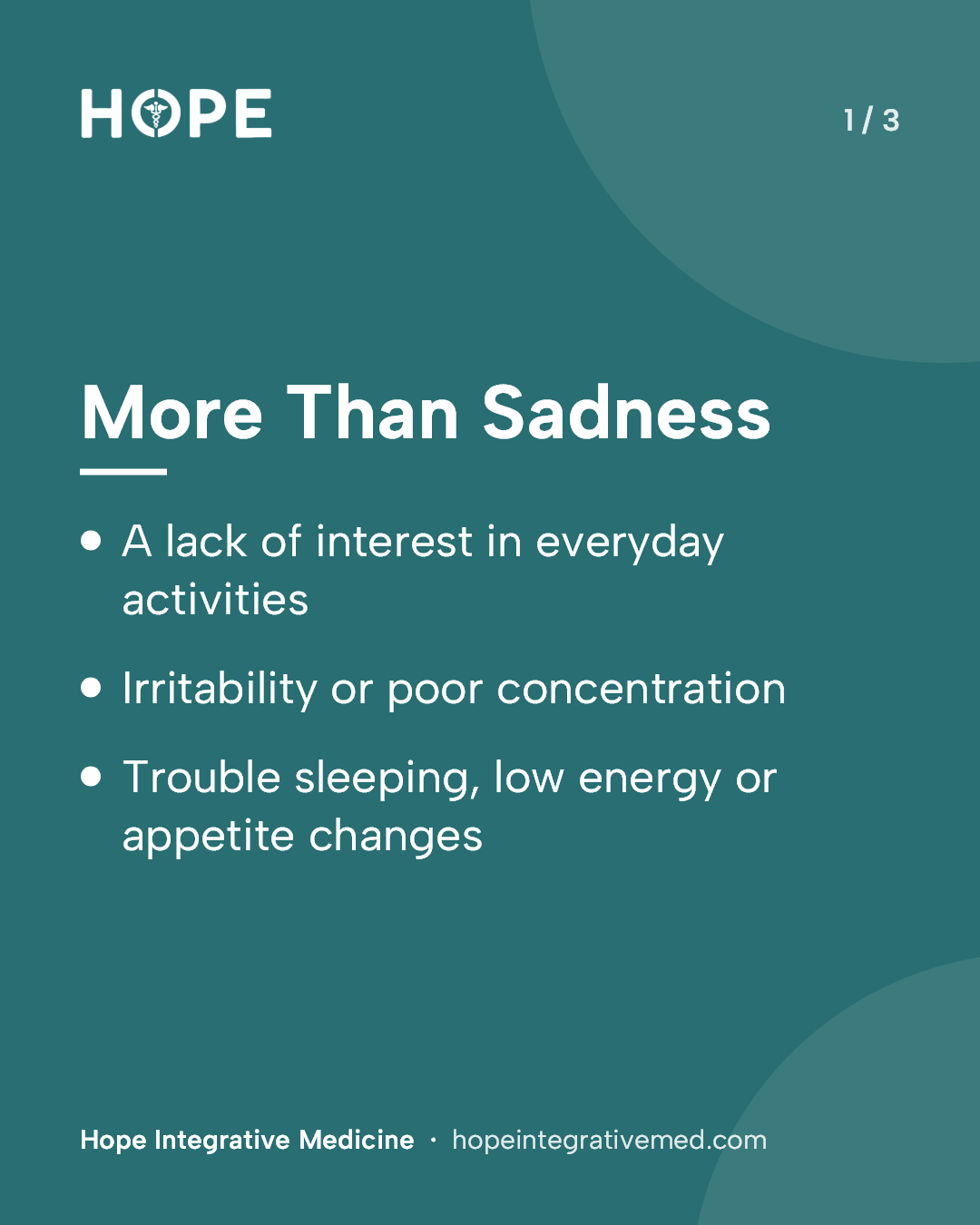
More Than Sadness
- A lack of interest in everyday activities
- Irritability or poor concentration
- Trouble sleeping, low energy or appetite changes
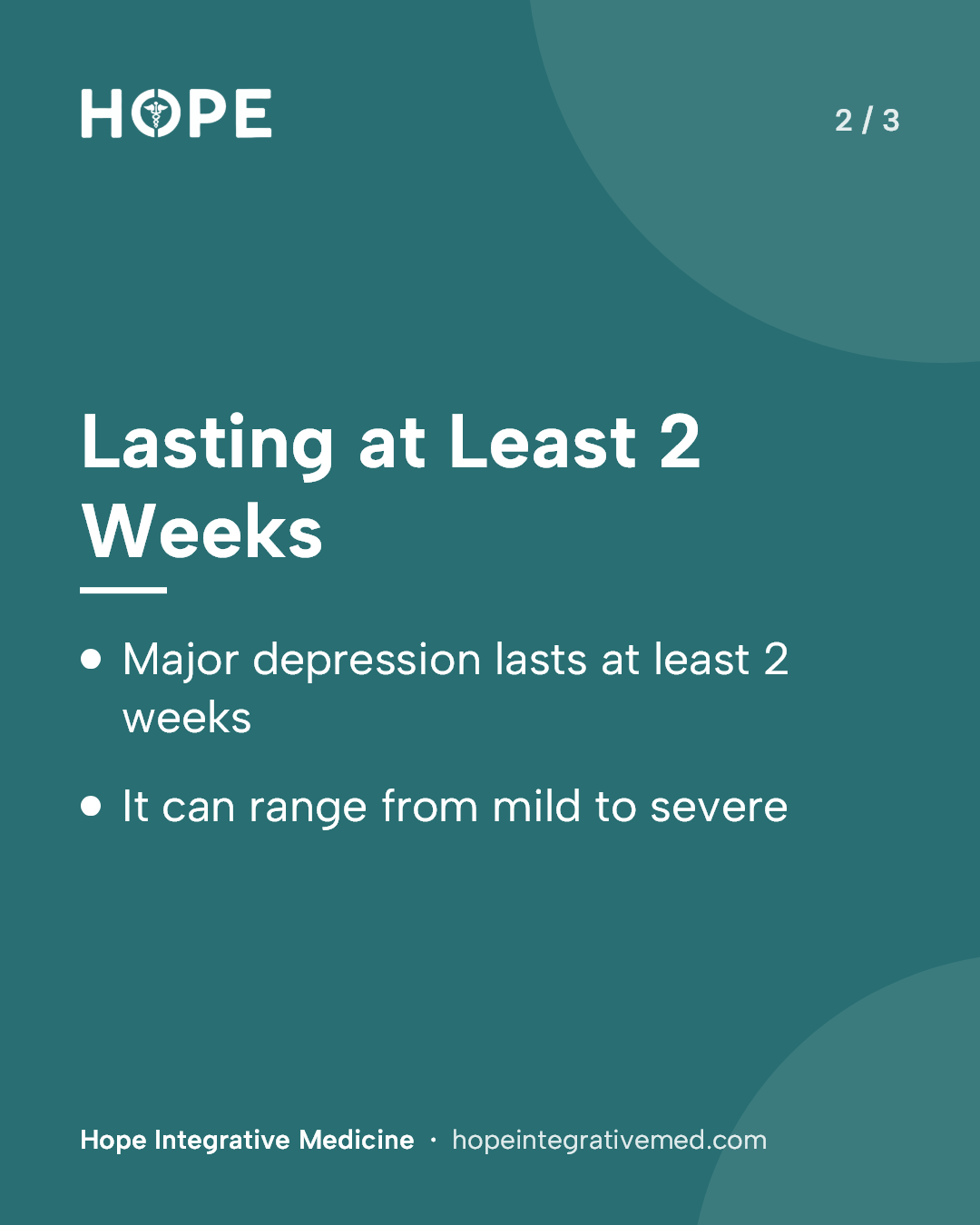
Lasting at Least 2 Weeks
- Major depression lasts at least 2 weeks
- It can range from mild to severe
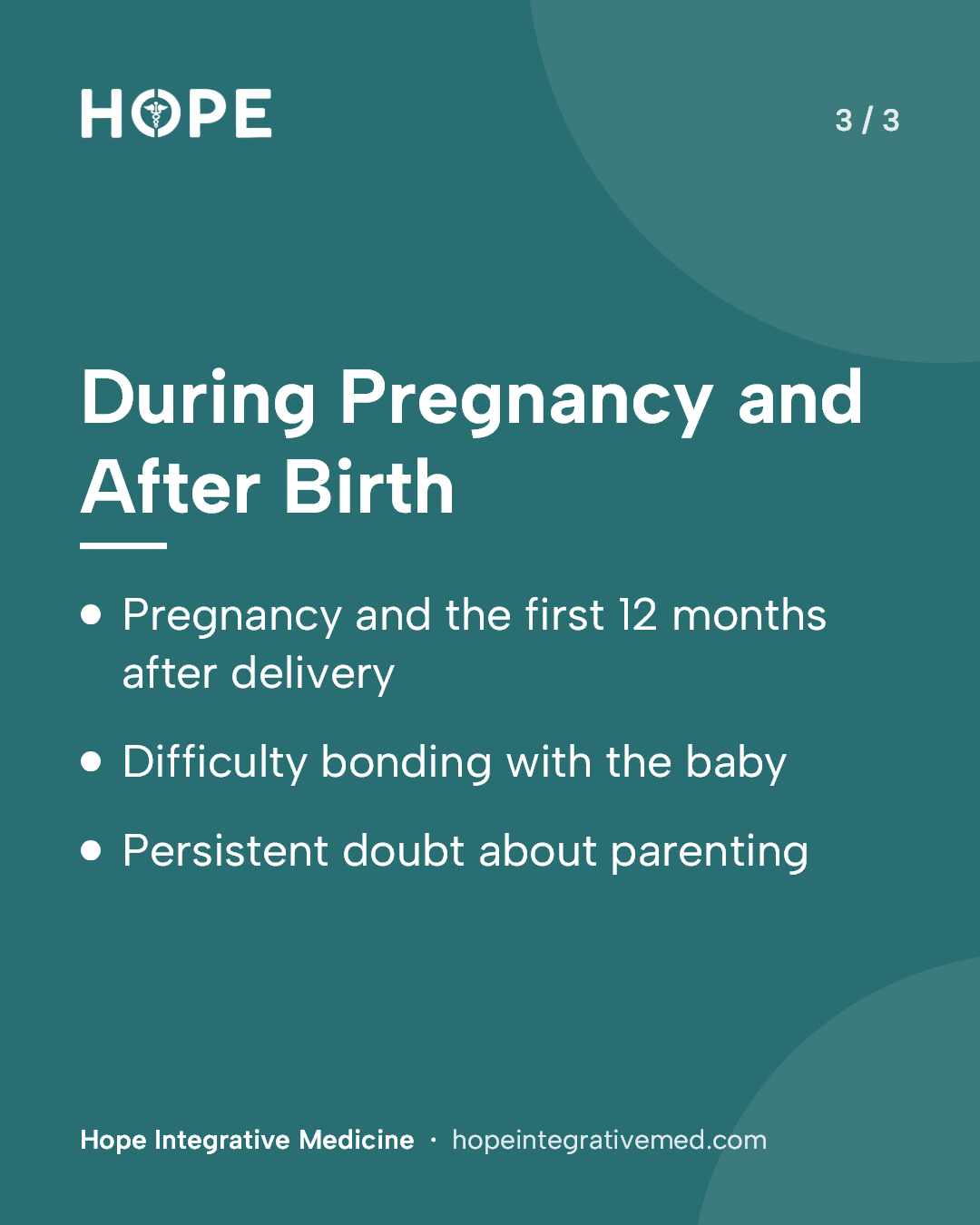
During Pregnancy and After Birth
- Pregnancy and the first 12 months after delivery
- Difficulty bonding with the baby
- Persistent doubt about parenting
What the guideline says
- The USPSTF recommends screening for depression in adults, including pregnant and postpartum people and older adults 65 and older (grade B).
- The recommendation applies to adults 19 and older who do not have a diagnosed mental health condition or recognized signs of depression.
- The USPSTF recommends screening all adults for depression regardless of risk factors.
- Screening uses brief questionnaires, such as the Patient Health Questionnaire (PHQ).
- Every positive screen should lead to a fuller assessment to confirm the diagnosis and how severe symptoms are.
- The Task Force says effective treatment of depression in adults generally includes antidepressant medication or psychotherapy, alone or together.
Source: U.S. Preventive Services Task Force, Depression and Suicide Risk in Adults: Screening (2023)
Read the full article: Depression Screening: What the Questions Are and Who Should Be Screened →
This guide is general health information and does not replace advice from your own provider.
Frequently Asked Questions
The Edinburgh Postnatal Depression Scale is commonly used for pregnant and postpartum people. Perinatal depression covers pregnancy and the first 12 months after delivery.
There is little evidence on the best timing. The USPSTF suggests screening adults who have not been screened before, and using clinical judgment to decide whether people at increased risk need additional screening.
Risk factors include a family history of depression, an earlier episode of depression or another mental health condition, a history of trauma or adverse life events, or a history of disease or illness, such as heart disease.