
If loud snoring, gasping at night or daytime sleepiness are part of your life, and you carry extra weight, there is now another treatment option to ask about. On December 20, 2024, the FDA approved Zepbound (tirzepatide) as the first medicine for obstructive sleep apnea. Here is what the approval covers, who it is for and how coverage works, including Medicare.
What obstructive sleep apnea is
Sleep apnea is a common condition in which breathing stops and restarts many times during sleep, which can keep your body from getting enough oxygen. In obstructive sleep apnea, the most common type, the upper airway gets blocked again and again during sleep. The National Heart, Lung, and Blood Institute (NHLBI) lists snoring or gasping for air during sleep and excessive daytime sleepiness as common signs. Obesity is a key risk factor: people with obesity can have more fat in the neck that can block the upper airway. Sleep apnea is also more common in men than women.
What the approval covers
The FDA approved Zepbound to treat moderate to severe obstructive sleep apnea in adults with obesity, used together with a reduced-calorie diet and more physical activity. It is taken once a week as a shot under the skin. The FDA says it works by activating receptors for two gut hormones, GLP-1 and GIP, which reduces hunger and how much people eat.
The approval was based on two 52-week studies of 469 adults with obesity who did not have type 2 diabetes. One study included people using positive airway pressure (PAP), a machine that keeps the airway open during sleep, and the other included people unable or unwilling to use it. People on Zepbound had a meaningful drop in their apnea-hypopnea index (AHI), the number of times per hour that breathing stops or becomes shallow during sleep, compared with placebo. More of them reached remission or mild sleep apnea. They also lost more weight, and the FDA says the improvement in AHI is likely related to that weight loss.
A sleep study comes first
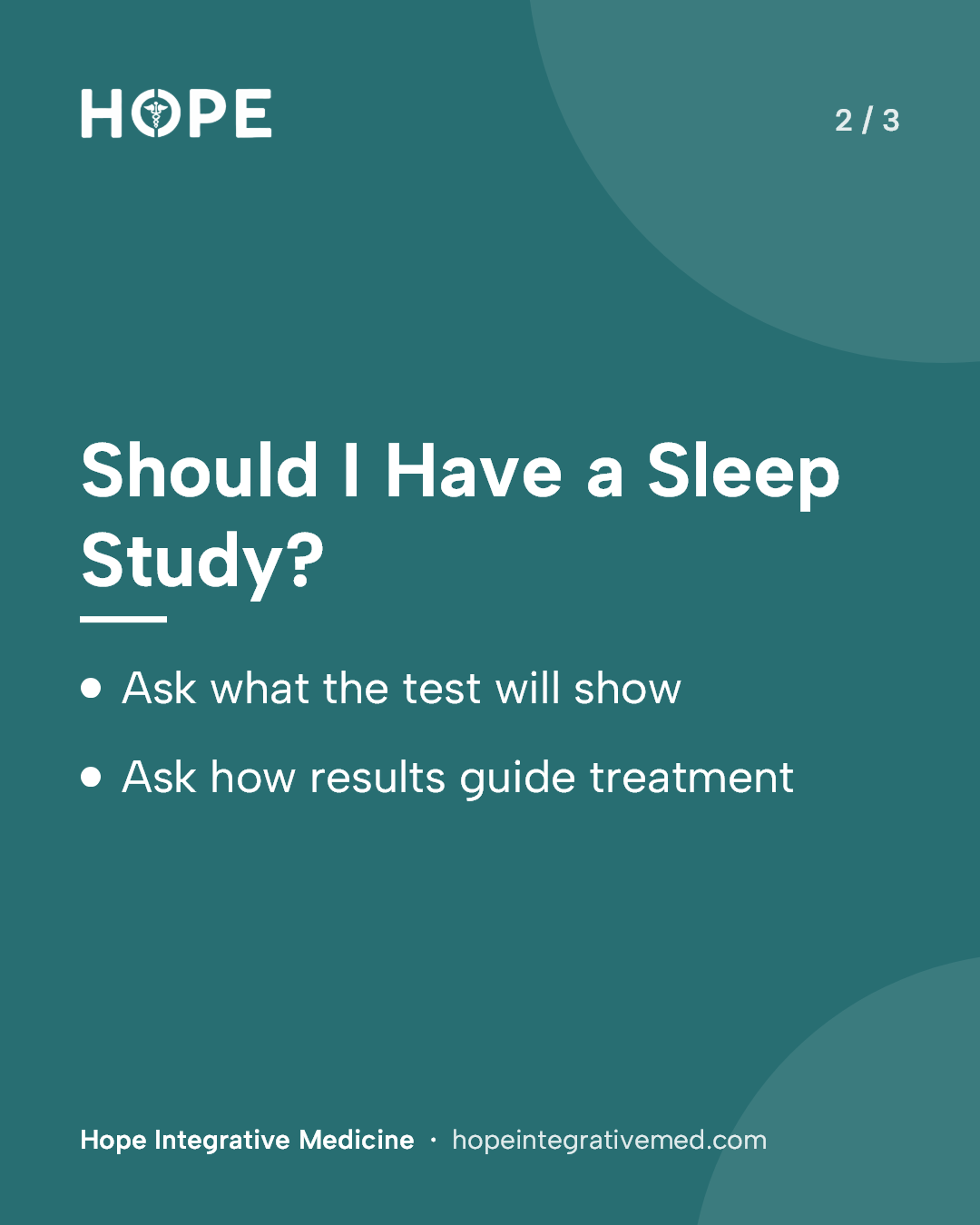
Because the approval is for moderate to severe sleep apnea, knowing how serious yours is matters. NHLBI says your provider looks at your symptoms, risk factors and family history, and may order a sleep study. A sleep study can show which type of sleep apnea you have and how serious it is, and that guides treatment.
Zepbound is one option among several
NHLBI says a PAP machine is the most common treatment for sleep apnea. Other options include mouthpieces that hold the jaw or tongue forward, surgery in some cases, and healthy lifestyle changes such as regular physical activity, a healthy weight, limiting alcohol, quitting smoking and sleeping on your side. NHLBI notes that PAP machines often work best when paired with healthy lifestyle changes. Do not stop a treatment you already use without talking with your provider.
Safety: what to discuss first
Common side effects the FDA lists include nausea, diarrhea, vomiting, constipation, stomach discomfort and pain, injection site reactions, tiredness, burping, hair loss and reflux. Zepbound caused thyroid C-cell tumors in rats, and it is not known whether it causes these tumors in people. People with a personal or family history of medullary thyroid cancer, or with Multiple Endocrine Neoplasia syndrome type 2, should not use it. The FDA also warns about pancreatitis, gallbladder problems, low blood sugar with insulin or some other diabetes medicines, and kidney injury. Our guide to managing GLP-1 side effects has everyday tips.
Ready to Get Started?
Primary care, mental health, and addiction medicine in one practice. New patients are often able to be scheduled within a week of requesting an appointment.
5 cards. Swipe or tap to see the next one.

Coverage, including Medicare
Medicare drug plans do not cover drugs used for weight loss, but sleep apnea is a different use. In a June 10, 2026 memo, CMS, the federal agency that runs Medicare, told Part D plans they must keep covering Zepbound for moderate to severe obstructive sleep apnea in adults with obesity. Your provider completes your plan's approval steps. This is separate from the temporary Medicare GLP-1 Bridge: people with moderate to severe sleep apnea are not eligible for the Bridge and go through their Part D plan instead. Private plans set their own rules, so check with yours.
A question to bring to your next visit
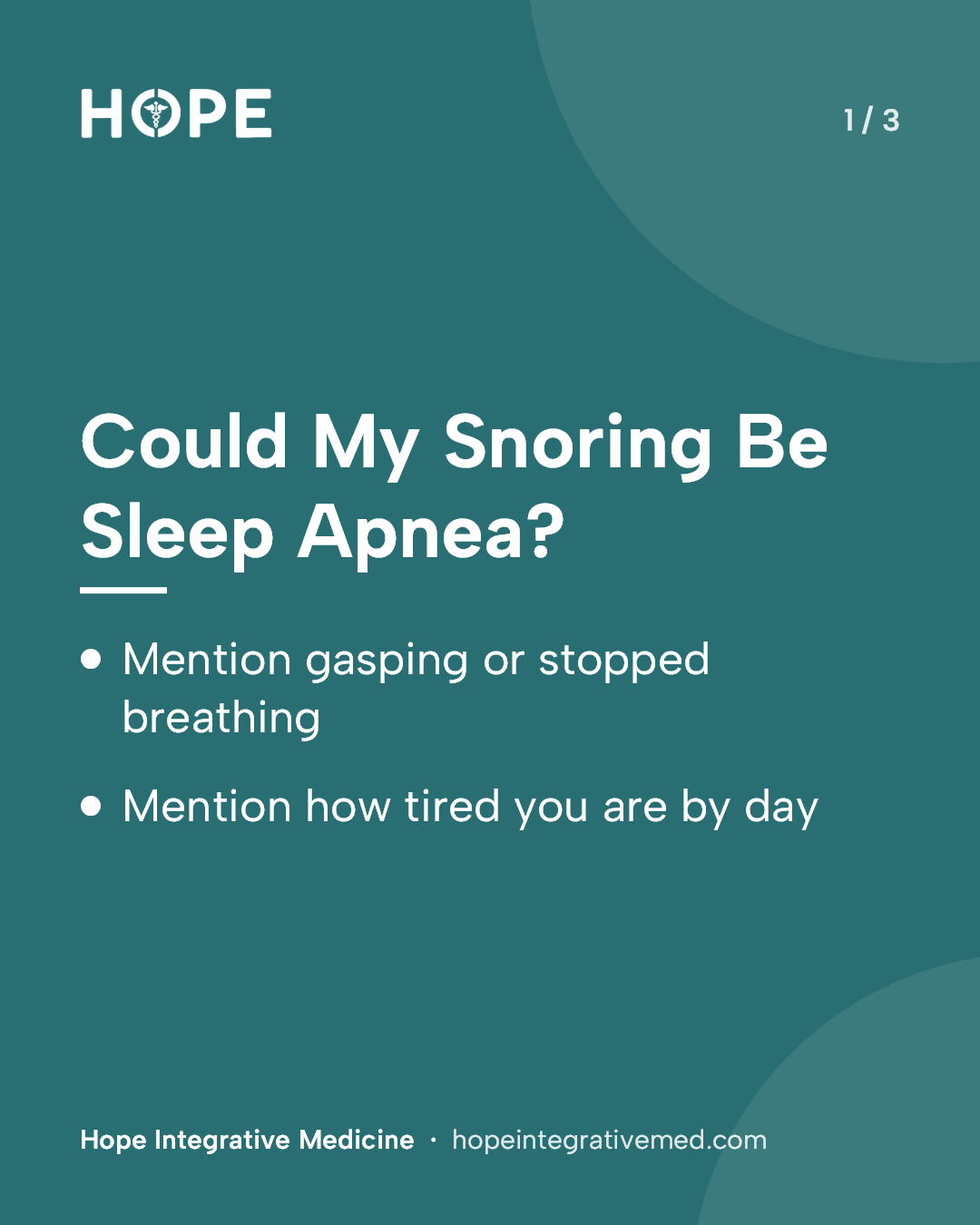
"Could my snoring and tiredness be sleep apnea, and should I have a sleep study?"
Sleep and weight care at Hope Integrative Medicine
If someone has told you that you snore or stop breathing at night, ask about sleep testing at your next visit in West Ashley. Our primary care team can review your symptoms and treatment options, and our lifestyle medicine care includes nutrition and weight-loss counseling with Jessica Ace, FNP-C, with in-person weigh-ins in West Ashley and virtual check-ins. New patients are often able to be scheduled within a week of requesting an appointment. Request an appointment.
Sources: FDA, FDA Approves First Medication for Obstructive Sleep Apnea (December 20, 2024); NHLBI, Sleep Apnea (2025); NHLBI, Sleep Apnea: Causes and Risk Factors; NHLBI, Sleep Apnea: Diagnosis; NHLBI, Sleep Apnea: Treatment; Malhotra and colleagues, Tirzepatide for the Treatment of Obstructive Sleep Apnea and Obesity, New England Journal of Medicine (2024); CMS, Medicare GLP-1 Bridge: Expectations and Frequently Asked Questions for Part D Sponsors (June 10, 2026).
This article is general information, not medical advice, and does not create a patient–provider relationship. Every situation is different, so see a provider who can evaluate yours and develop a plan of care. Any medication discussed here may not be right for you: the right choice depends on your diagnoses, other health conditions and current medicines, so take medication only as directed by the provider managing your care. If you are ever in doubt about an emergency, call 911 or go to the nearest emergency room.
Frequently Asked Questions
Yes. On December 20, 2024, the FDA approved Zepbound (tirzepatide) to treat moderate to severe obstructive sleep apnea in adults with obesity, used with a reduced-calorie diet and more physical activity.
CMS told Medicare Part D plans in June 2026 that they must keep covering Zepbound for moderate to severe obstructive sleep apnea in adults with obesity. Your plan's approval steps still apply, and this is separate from the GLP-1 Bridge.
The approval is for moderate to severe obstructive sleep apnea, so your provider needs to know which type you have and how serious it is. NHLBI says a sleep study can show both.
One of the FDA's studies included people using PAP and the other included people who could not or would not use it. NHLBI says PAP is the most common treatment, so decide any change with your provider.
The FDA lists nausea, diarrhea, vomiting, constipation, stomach pain, injection site reactions, tiredness and reflux among common side effects. People with a personal or family history of medullary thyroid cancer, or with Multiple Endocrine Neoplasia syndrome type 2, should not use it.