3 Questions to Ask About Snoring and Sleep Apnea
Based on FDA, FDA Approves First Medication for Obstructive Sleep Apnea (December 20, 2024)
5 cards. Swipe or tap to see the next one.
What the FDA's approval of Zepbound for moderate to severe obstructive sleep apnea in adults with obesity means, why a sleep study comes first, safety basics and how Medicare Part D covers it.
Looking for a Primary Care Provider?
Checkups, preventive care and ongoing care for chronic conditions in West Ashley, Charleston. New patients are often able to be scheduled within a week of requesting an appointment. Schedule an appointment today.
In this guide
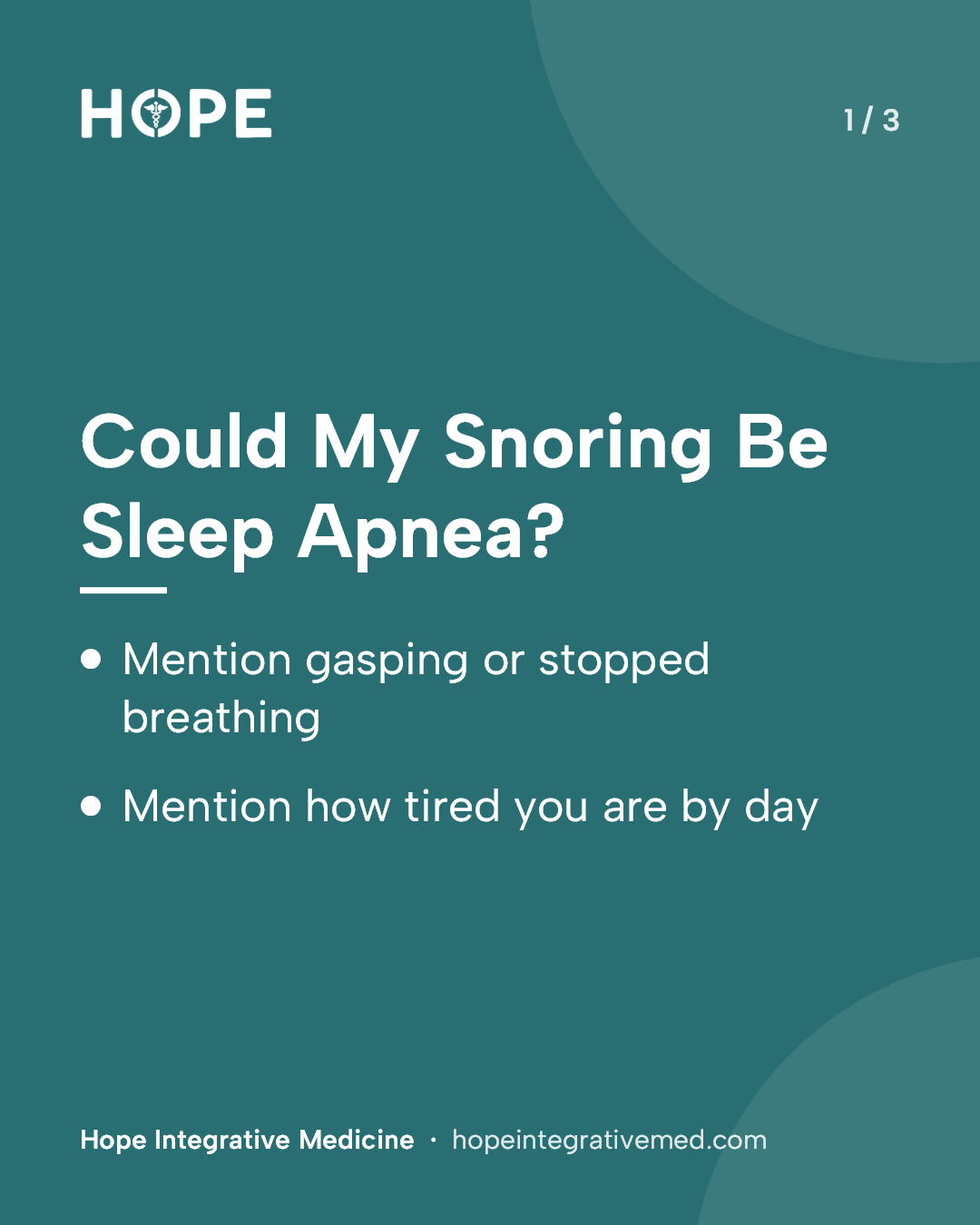
Could My Snoring Be Sleep Apnea?
- Mention gasping or stopped breathing
- Mention how tired you are by day
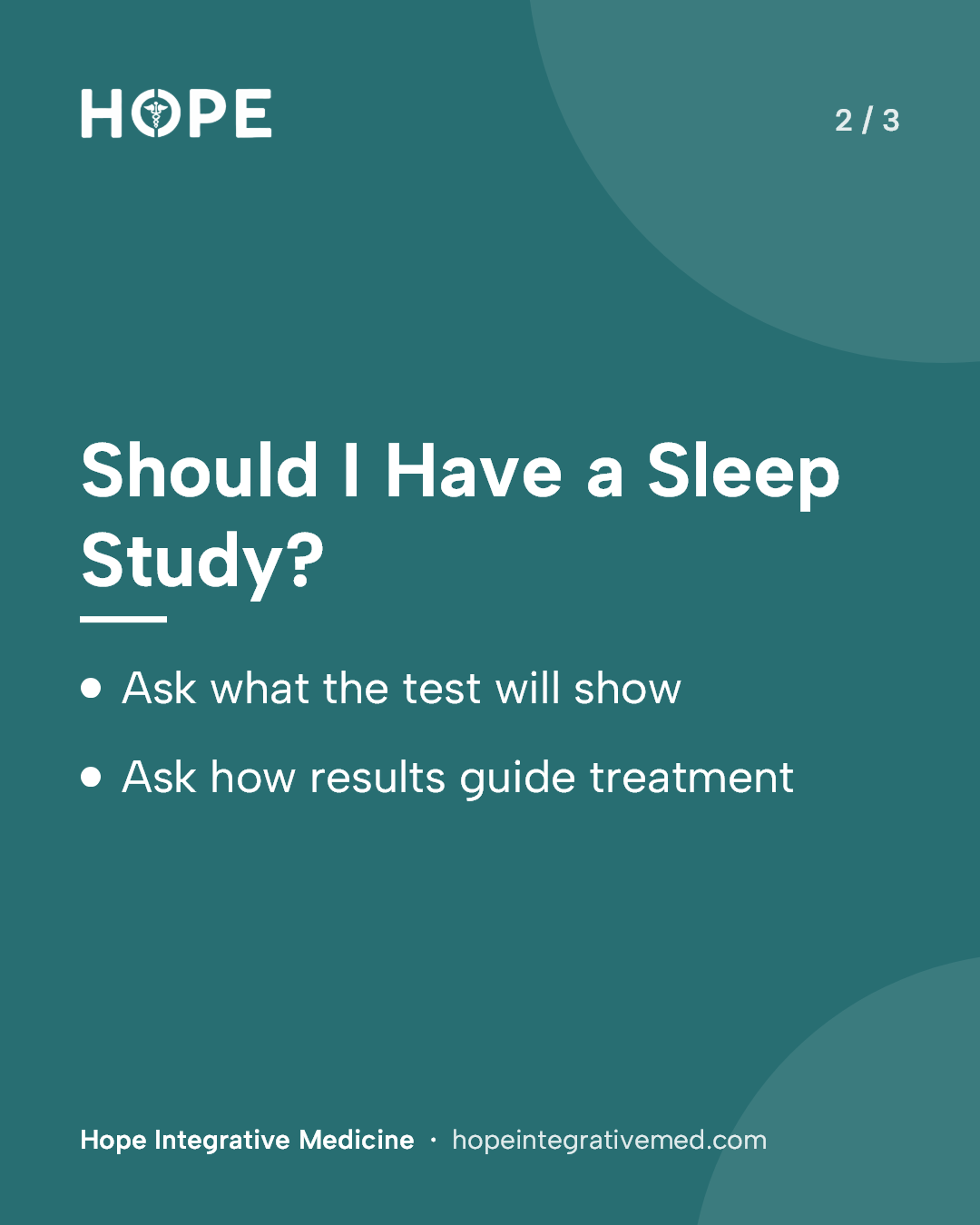
Should I Have a Sleep Study?
- Ask what the test will show
- Ask how results guide treatment
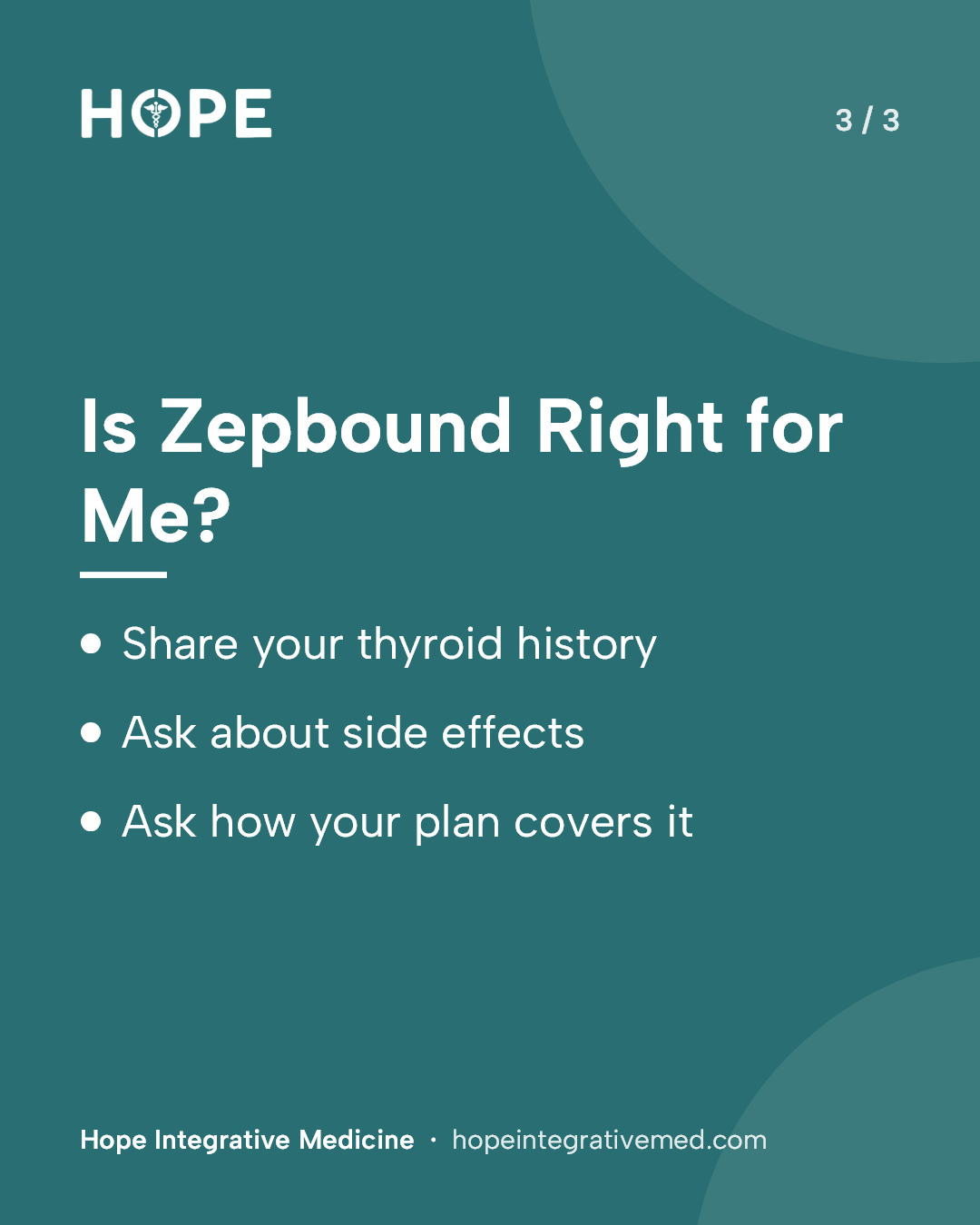
Is Zepbound Right for Me?
- Share your thyroid history
- Ask about side effects
- Ask how your plan covers it
What the guideline says
- On December 20, 2024, the FDA approved Zepbound (tirzepatide) as the first medicine for moderate to severe obstructive sleep apnea in adults with obesity, used with a reduced-calorie diet and more physical activity.
- NHLBI lists snoring or gasping for air during sleep and excessive daytime sleepiness as common signs; obesity is a key risk factor.
- A sleep study can show which type of sleep apnea you have and how serious it is, and that guides treatment.
- NHLBI says a PAP machine is the most common treatment; mouthpieces, surgery in some cases and healthy lifestyle changes are other options.
- CMS told Medicare Part D plans in June 2026 to keep covering Zepbound for moderate to severe obstructive sleep apnea in adults with obesity; this is separate from the GLP-1 Bridge.
Source: FDA, FDA Approves First Medication for Obstructive Sleep Apnea (December 20, 2024)
Read the full article: Weight and Sleep Apnea: What Zepbound's Sleep Apnea Approval Means →
This guide is general health information and does not replace advice from your own provider.
Frequently Asked Questions
The apnea-hypopnea index, or AHI, is the number of times per hour that breathing stops or becomes shallow during sleep.
NHLBI lists regular physical activity, a healthy weight, limiting alcohol, quitting smoking and sleeping on your side. It notes that PAP machines often work best when paired with healthy lifestyle changes.
No. People with moderate to severe sleep apnea are not eligible for the Bridge and go through their Part D plan instead.