
Waking up tired no matter how long you sleep is not something you have to live with. Loud snoring, gasping for air at night or feeling sleepy all day may be signs of sleep apnea, which can be tested for and treated. With the clocks set back on November 1, it is a good time to look at your sleep.
What sleep apnea is
Sleep apnea is a common condition in which your breathing stops and starts many times while you sleep, which can keep your body from getting enough oxygen, says the National Heart, Lung, and Blood Institute (NHLBI). In the most common type, obstructive sleep apnea (OSA), the upper airway gets blocked over and over during sleep, lowering or stopping the flow of air. In central sleep apnea, the brain does not send the signals needed to breathe.
Symptoms
Signs at night include:
- Breathing that stops and starts
- Loud snoring that happens often
- Gasping for air during sleep
- Waking up several times a night to urinate
During the day, you may feel sleepy and drained, or have a dry mouth, headaches or less interest in sex. NHLBI says ongoing tiredness, headaches and trouble sleeping (insomnia) are more common in women, and frequent loud snoring in men. Talk with a provider about these signs.
Who is more likely to have it
The risk of OSA goes up with age and with extra weight, because fat in the neck can block the upper airway. Large tonsils, a large neck or tongue, low thyroid hormone, polycystic ovary syndrome (PCOS), heart or kidney failure, your genes, drinking alcohol and smoking can all play a part. OSA is more common in men. Long-term use of opioid pain medicines is linked to central sleep apnea.
How it is diagnosed
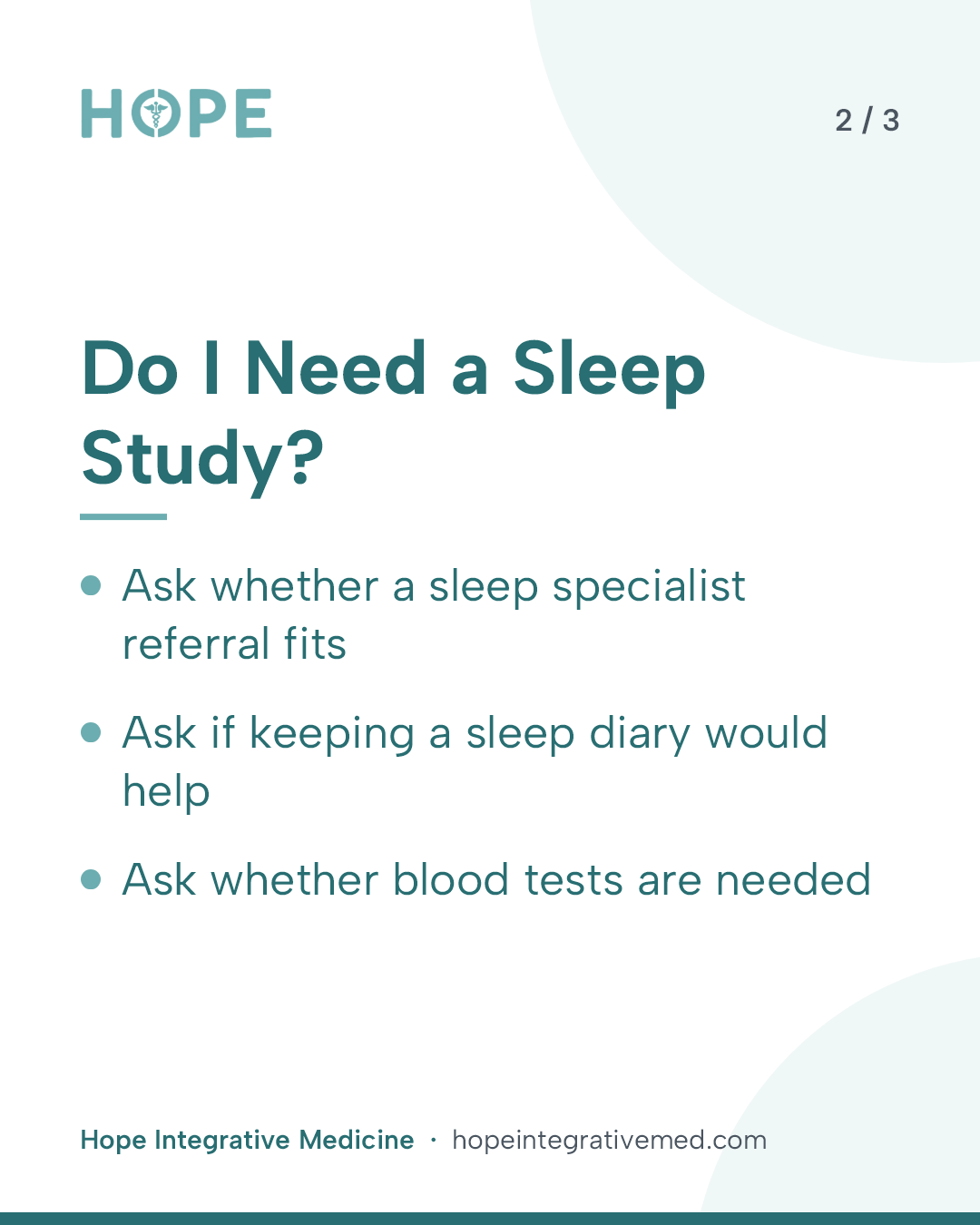
Your provider asks about your symptoms, family history, the medicines you take (such as opioids) and any recent travel to a high altitude. You may be asked to keep a sleep diary, a log of how long and how well you sleep and how sleepy you feel during the day.
The key test is a sleep study, and your provider may refer you to a sleep specialist or sleep center for one. It shows which type of sleep apnea you have and how severe it is. Blood tests, such as thyroid hormone levels, can look for conditions that add to sleep apnea.
Treatment
There are many treatment options, and your provider will help you choose.
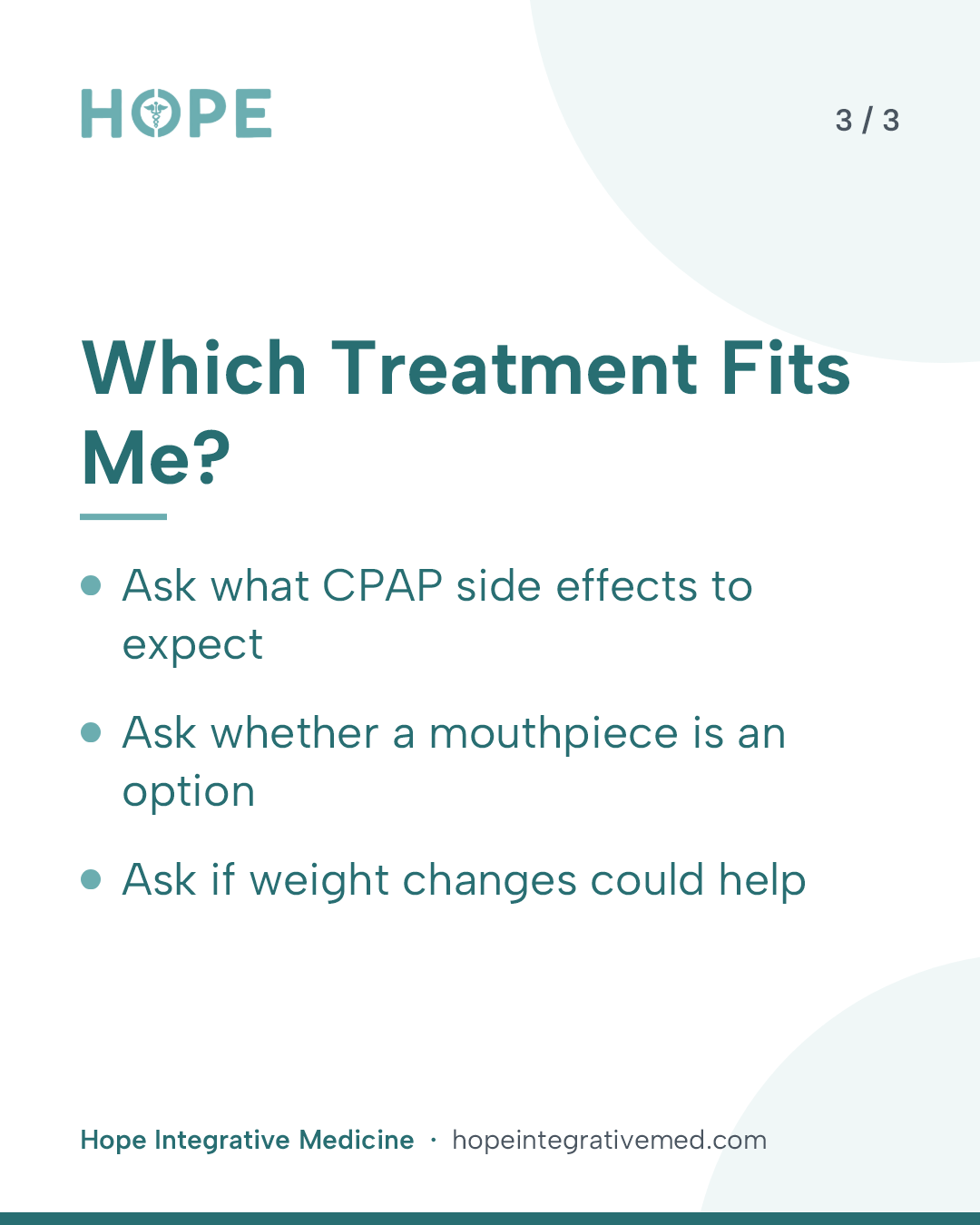
- Lifestyle changes: regular physical activity, healthy sleep habits, reaching a healthy weight, limiting alcohol and caffeine, quitting smoking and sleeping on your side instead of your back.
- Breathing devices: a CPAP (continuous positive airway pressure) machine sends steady air pressure through your nose, mouth or both. Related machines, BPAP and APAP, change the pressure as you breathe or sleep. Side effects can include a stuffy or runny nose, a dry mouth or eyes, or nosebleeds.
- Mouthpieces: custom-fit devices, usually fitted by a dentist or orthodontist, hold the lower jaw or tongue forward, an option if you do not want or cannot use CPAP.
- Medicine: on December 20, 2024, the FDA approved Zepbound (tirzepatide), an injection, for moderate to severe OSA in adults with obesity, used with a reduced-calorie diet and more physical activity. It can have serious side effects, so tell your provider about any personal or family history of depression, thyroid tumors, kidney disease or diabetic eye disease (diabetic retinopathy).
- Surgery or an implant: if other treatments do not work, options include removing the tonsils, moving the jaw forward, weight-loss surgery when obesity is part of the cause, or an implanted device that stimulates a nerve to keep the airway open.
Ready to Get Started?
Primary care, mental health, and addiction medicine in one practice. New patients are often able to be scheduled within a week of requesting an appointment.
5 cards. Swipe or tap to see the next one.
Sleeping pills and driving
If you are tired all the time, a sleeping pill can seem like the answer, but it makes sense to rule out sleep apnea first, as we explain in our post on Ambien, Lunesta or trazodone long term. If you need medicine to make you sleep during surgery, or pain medicine after surgery, NHLBI says to tell your provider that you have sleep apnea. Until you are treated, do not drive if you feel tired or sleepy.
Why treatment is worth it
NHLBI links untreated sleep apnea to high blood pressure that is hard to control, heart attack, stroke, an irregular heartbeat called atrial fibrillation and type 2 diabetes. Regular checkups help make sure your treatment is working, and you may need a repeat sleep study after a big weight gain or loss.
A question to bring to your next visit
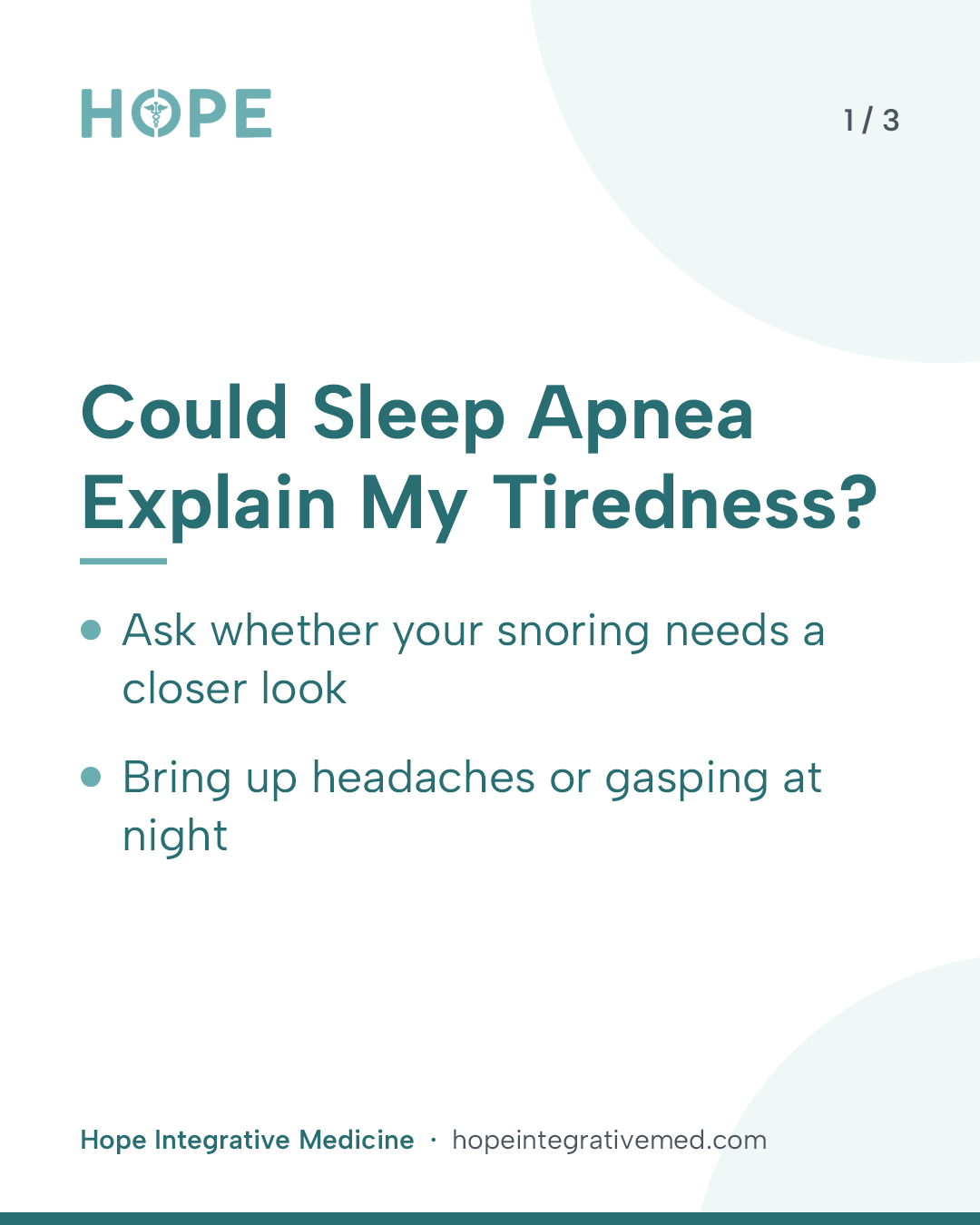
"Could sleep apnea explain why I am tired, and should I have a sleep study?"
Sleep apnea care at Hope Integrative Medicine
Our primary care team in West Ashley can review your sleep, check your blood pressure and weight, and refer you for a sleep study when it fits. Blood is drawn in our office and sent to the LabCorp or Quest of your choice. If weight is part of the picture, nutrition and weight-loss counseling with Jessica Ace, FNP-C, combines in-person weigh-ins with virtual check-ins. New patients are often able to be scheduled within a week of requesting an appointment. Request an appointment.
Sources: National Heart, Lung, and Blood Institute, What Is Sleep Apnea? (2025); NHLBI, Sleep Apnea: Symptoms; NHLBI, Sleep Apnea: Causes and Risk Factors; NHLBI, Sleep Apnea: Diagnosis; NHLBI, Sleep Apnea: Treatment; NHLBI, Living With Sleep Apnea; FDA, FDA Approves First Medication for Obstructive Sleep Apnea (December 20, 2024).
This article is general information, not medical advice, and does not create a patient–provider relationship. Every situation is different, so see a provider who can evaluate yours and develop a plan of care. Any medication discussed here may not be right for you: the right choice depends on your diagnoses, other health conditions and current medicines, so take medication only as directed by the provider managing your care. If you are ever in doubt about an emergency, call 911 or go to the nearest emergency room.
Frequently Asked Questions
Common signs are loud, frequent snoring, gasping for air or breathing that stops and starts during sleep, and feeling sleepy and drained during the day. Dry mouth, headaches and waking at night to urinate can also happen.
Your provider asks about your symptoms, family history and medicines, and may refer you to a sleep specialist or sleep center for a sleep study. The study shows which type of sleep apnea you have and how severe it is.
Yes, for some people. Options include lifestyle changes, custom-fit mouthpieces fitted by a dentist or orthodontist, and surgery or an implanted nerve stimulator if other treatments do not work.
In December 2024 the FDA approved Zepbound (tirzepatide) for moderate to severe obstructive sleep apnea in adults with obesity, used with a reduced-calorie diet and more physical activity.
Yes. Fat in the neck can block the upper airway, and reaching a healthy weight is one of the lifestyle changes NHLBI lists for treatment. You may need a repeat sleep study after a big weight gain or loss.