Adult ADHD Evaluation and Treatment in Charleston, SC
Visits are by secure video, so care is available from home anywhere in South Carolina.
Hope Integrative Medicine offers adult ADHD evaluation and treatment for adults in Charleston and across Charleston County.
How Adult ADHD Care Works
Care starts with an initial evaluation by secure video. If you have not had a formal ADHD evaluation or testing before, ADHD testing is required before treatment can begin. Testing usually follows that evaluation and is completed on your own computer, between visits. The assessment is self-pay and not covered by insurance; when we call to schedule, we can walk you through the cost and answer any questions. When medication is clinically appropriate, our providers prescribe long-acting stimulant medications. We do not prescribe immediate-release stimulants. Read our full guide to adult ADHD evaluation, testing and medications in South Carolina.
Adult ADHD Treatment in Charleston — Who It Affects
Adult ADHD is common among veterans and service members, where it frequently co-occurs with anxiety and depression and is often undiagnosed. Many service members developed compensatory strategies during military careers that masked ADHD symptoms, which become more apparent after separation from the military's structured environment. Charleston's healthcare, technology, and military sectors include many adults with undiagnosed ADHD who have compensated through demanding careers. The city's university population also includes students encountering adult ADHD demands without a formal diagnosis. In-person ADHD evaluation is available at our West Ashley office.
Health and Care in Charleston
Charleston is a college city, home to the College of Charleston, with more than 11,000 students, and The Citadel. (Source: charleston.edu)
Joint Base Lindsey Graham, renamed from Joint Base Charleston in August 2026, supports more than 90,000 service members, civilians, family members and retirees. (Source: wach.com)
In the 2020 Census, about 33,600 of the City of Charleston's 150,227 residents lived on the historic downtown peninsula. (Source: charleston-sc.gov)
Colleges in and near Charleston include College of Charleston, The Citadel, Charleston School of Law and Trident Technical College.
Major local employers and industries include tourism and hospitality, aerospace and the port and logistics.
An estimated 22.6 percent of adults in Charleston have been told by a health professional that they have depression, compared with 21.3 percent across Charleston County.
Because visits are by video, home internet matters: an estimated 13.3 percent of households in Charleston have no broadband internet subscription.
An estimated 30.7 percent of adults in Charleston usually sleep less than seven hours a night, compared with 30 percent across Charleston County.
An estimated 8.7 percent of adults aged 18 to 64 in Charleston have no health insurance, compared with 9.5 percent across Charleston County.
Sources: CDC PLACES, 2025 release (model-based estimates from 2022 and 2023 Behavioral Risk Factor Surveillance System data); U.S. Census Bureau American Community Survey, 2017 to 2021, via CDC; CMS National Provider Identification file, 2024, via County Health Rankings & Roadmaps, 2025.
Did You Know? Life in Charleston
Tourism employed a record 54,900 people across the Charleston region in 2024, many of them in restaurants and hotels. (Source: abcnews4.com)
In 1931 Charleston adopted the first historic preservation ordinance in the United States, creating its Board of Architectural Review. (Source: charleston-sc.gov)
Spoleto Festival USA, founded in 1977, fills Charleston's historic theaters, churches and outdoor spaces for 17 days each spring. (Source: spoletousa.org)
Not in Charleston?
Mental health care is available by video to adults anywhere in South Carolina. See all the South Carolina cities we serve
Adult ADHD Questions from Charleston
Charleston County has about one mental health provider for every 214 residents, compared with one for every 437 across South Carolina.
An estimated 15.1 percent of adults in Charleston report frequent mental distress, meaning 14 or more days of poor mental health in the past month, compared with 14.4 percent across Charleston County.
Yes. Students 18 and older, including students at College of Charleston, The Citadel, Charleston School of Law and Trident Technical College, can be evaluated by secure video. Our providers are licensed in South Carolina, so you need to be in South Carolina during each visit.
No. When testing is needed, it usually follows your initial evaluation and is completed on your own computer, between visits and on your own time. Your provider reviews the results with you at a follow-up visit.
Insurance We Accept
Commercial, ACA & Medicare
- Aetna
- Blue Cross Blue Shield
- Cigna
- United Healthcare
- Curative
- Centene (Ambetter / Wellcare)
- Humana
- Molina
- Medicare
South Carolina Medicaid
We accept all SC Medicaid managed care plans except Select Health (First Choice).
- Absolute Total Care (Centene)
- BlueChoice HealthPlan (Healthy Blue)
- Humana Healthy Horizons in SC
- Molina Healthcare of SC
- WellCare of SC
- Meridian Health Plan of SC
Self-pay rates are also available.
Licensed in South Carolina
All Hope Integrative Medicine providers are licensed in South Carolina and authorized to treat patients statewide via telehealth.
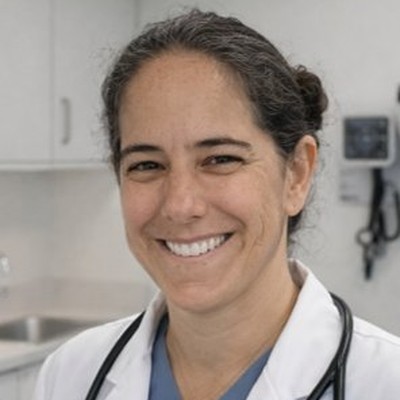
Suzanne Echemendia-Wirth, MD
Medical Director
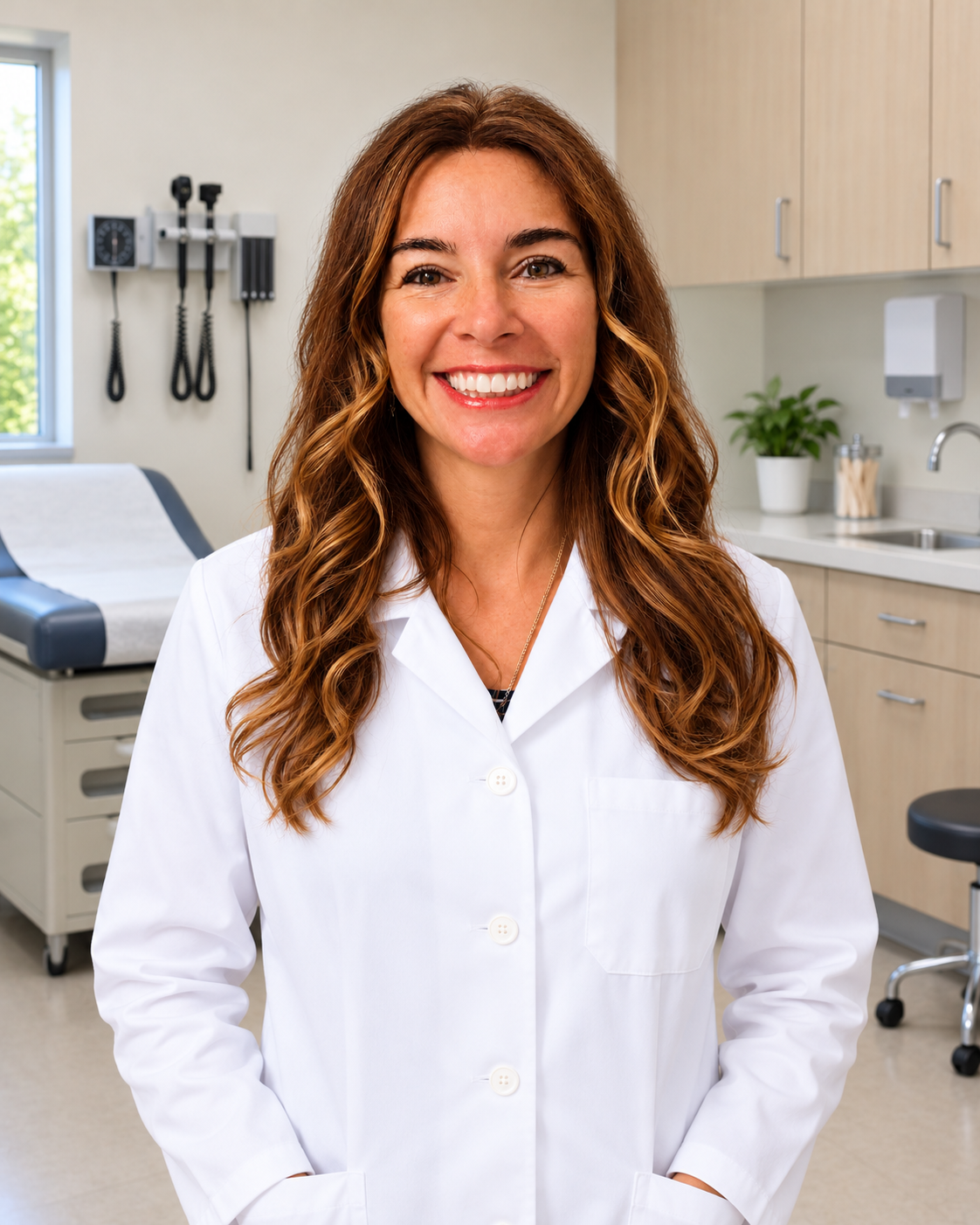
Jessica Ace, MSN, FNP-C, CEN
Family Nurse Practitioner
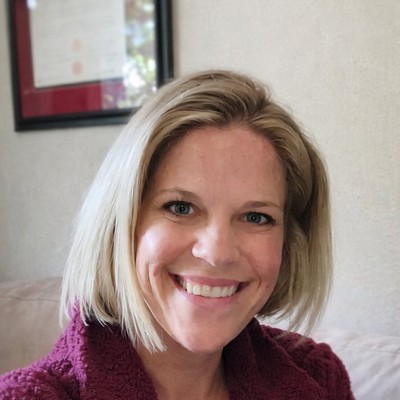
Andrea Rizzetto, MSN, APRN, AGACNP-BC
Nurse Practitioner
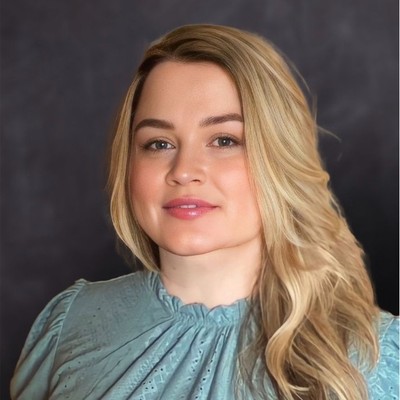
Rhonda Witt, MSN, APRN, PMHNP-BC
Psychiatric Mental Health Nurse Practitioner
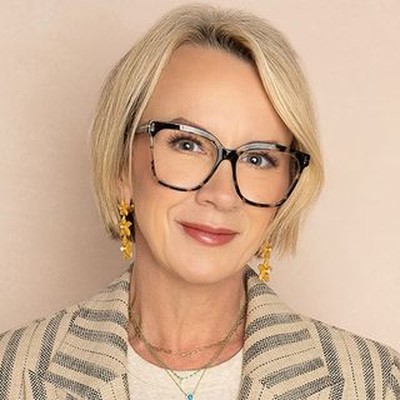
Ashley Royer, DNP, PMHNP-BC, CCRN
Psychiatric-Mental Health Nurse Practitioner
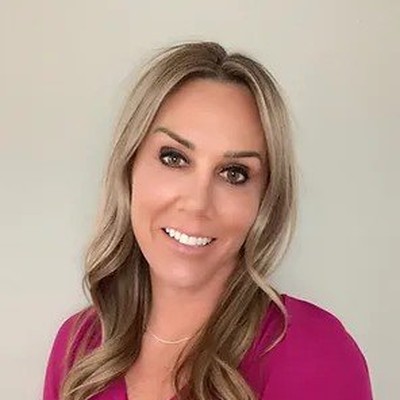
Kassi Goodman, PhD, LAC, LPC, ICADC, NBCFCH
Licensed Counselor & Addiction Specialist