Alcohol Use Disorder Treatment in Charleston, SC
Medication-assisted treatment (MAT) and counseling for adults in Charleston, by telehealth with in-person visits in West Ashley.
Hope Integrative Medicine treats alcohol use disorder for adults in Charleston and across Charleston County with medication-assisted treatment (MAT), counseling and regular follow-up. Visits can be by secure video from home, and in-person visits, including Vivitrol injections, are at our West Ashley office in Charleston.
How Alcohol Use Disorder Treatment Works
Care starts with a full evaluation, and treatment combines medication-assisted treatment (MAT) with counseling and regular follow-up. There is no single right medication for everyone. Your provider walks you through the options, and together you choose the treatment that fits your health, your goals and your other medicines, based on shared decision-making and a careful look at the risks and benefits of each option. Whether withdrawal can be managed safely as an outpatient is decided at your evaluation. When the risk of severe withdrawal is high, we help arrange a higher level of care. Stopping heavy daily drinking suddenly can cause seizures or delirium tremens, which can be fatal. Talk to a clinician before stopping, and call 911 for confusion, hallucinations or a seizure. Read our full guide to alcohol use disorder treatment in South Carolina.
Health and Care in Charleston
Charleston is a college city, home to the College of Charleston, with more than 11,000 students, and The Citadel. (Source: charleston.edu)
Joint Base Lindsey Graham, renamed from Joint Base Charleston in August 2026, supports more than 90,000 service members, civilians, family members and retirees. (Source: wach.com)
In the 2020 Census, about 33,600 of the City of Charleston's 150,227 residents lived on the historic downtown peninsula. (Source: charleston-sc.gov)
An estimated 22.9 percent of adults in Charleston report binge drinking, compared with 21.4 percent across Charleston County.
An estimated 28.5 percent of adults in Charleston have been told they have high blood pressure, compared with 32.3 percent across Charleston County.
An estimated 13.6 percent of adults in Charleston rate their health as fair or poor, compared with 15.4 percent across Charleston County.
An estimated 30.3 percent of adults in Charleston report loneliness, compared with 29.8 percent across Charleston County.
Sources: CDC PLACES, 2025 release (model-based estimates from 2022 and 2023 Behavioral Risk Factor Surveillance System data); CDC Behavioral Risk Factor Surveillance System, 2022 (age-adjusted), via County Health Rankings & Roadmaps, 2025; Fatality Analysis Reporting System, 2018 to 2022, via County Health Rankings & Roadmaps, 2025.
Did You Know? Life in Charleston
In 1931 Charleston adopted the first historic preservation ordinance in the United States, creating its Board of Architectural Review. (Source: charleston-sc.gov)
Spoleto Festival USA, founded in 1977, fills Charleston's historic theaters, churches and outdoor spaces for 17 days each spring. (Source: spoletousa.org)
Tourism employed a record 54,900 people across the Charleston region in 2024, many of them in restaurants and hotels. (Source: abcnews4.com)
Alcohol Use Disorder Questions from Charleston
About 25.6 percent of adults in Charleston County report excessive drinking, meaning binge or heavy drinking, compared with 19.9 percent across South Carolina.
Alcohol was involved in about 36.3 percent of driving deaths in Charleston County from 2018 to 2022, compared with 33.3 percent across South Carolina.
An estimated 8.7 percent of adults aged 18 to 64 in Charleston have no health insurance, compared with 9.5 percent across Charleston County.
Insurance We Accept
Commercial, ACA & Medicare
- Aetna
- Blue Cross Blue Shield
- Cigna
- United Healthcare
- Curative
- Centene (Ambetter / Wellcare)
- Humana
- Molina
- Medicare
South Carolina Medicaid
We accept all SC Medicaid managed care plans except Select Health (First Choice).
- Absolute Total Care (Centene)
- BlueChoice HealthPlan (Healthy Blue)
- Humana Healthy Horizons in SC
- Molina Healthcare of SC
- WellCare of SC
- Meridian Health Plan of SC
Self-pay rates are also available.
Licensed in South Carolina
All Hope Integrative Medicine providers are licensed in South Carolina and authorized to treat patients statewide via telehealth.
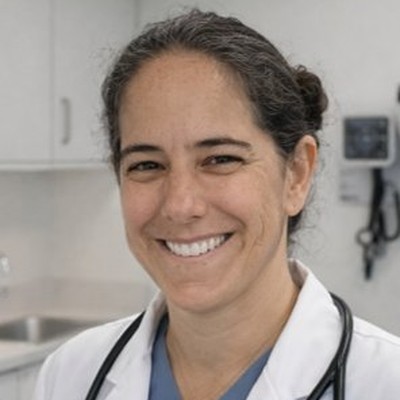
Suzanne Echemendia-Wirth, MD
Medical Director
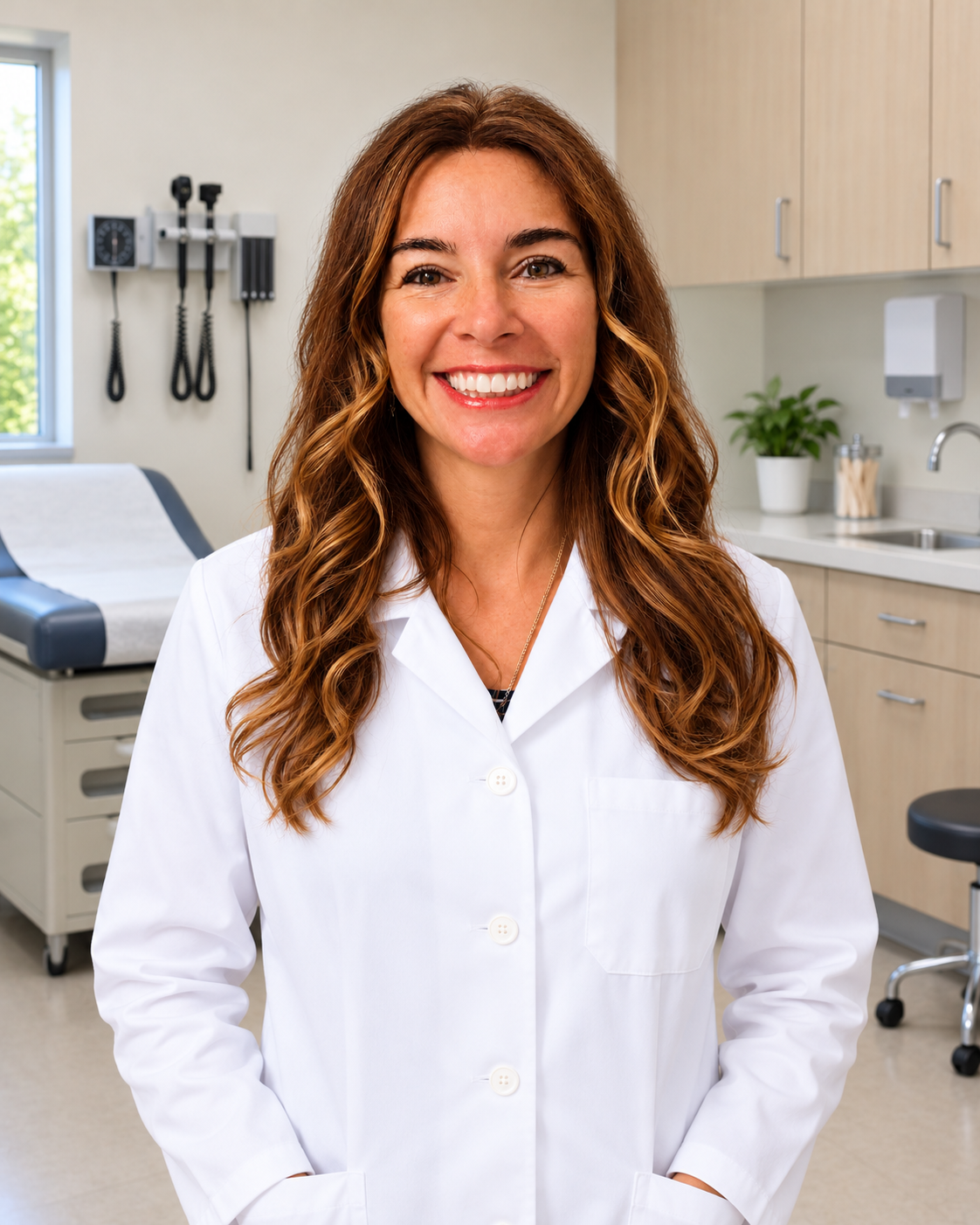
Jessica Ace, MSN, FNP-C, CEN
Family Nurse Practitioner
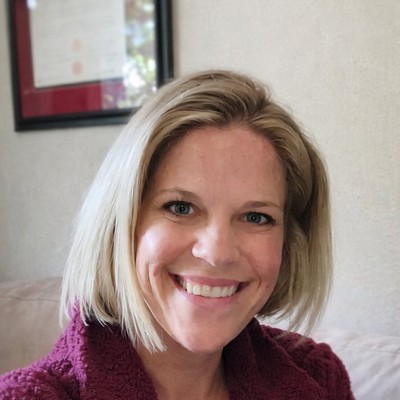
Andrea Rizzetto, MSN, APRN, AGACNP-BC
Adult-Gerontological Acute Care Nurse Practitioner
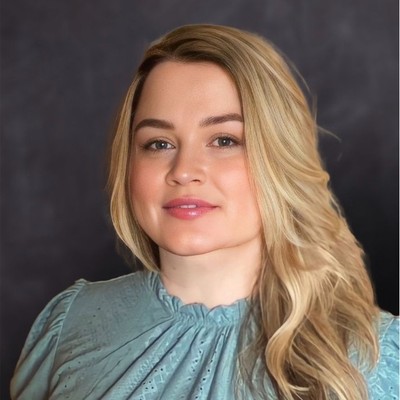
Rhonda Witt, MSN, APRN, PMHNP-BC
Psychiatric Mental Health Nurse Practitioner
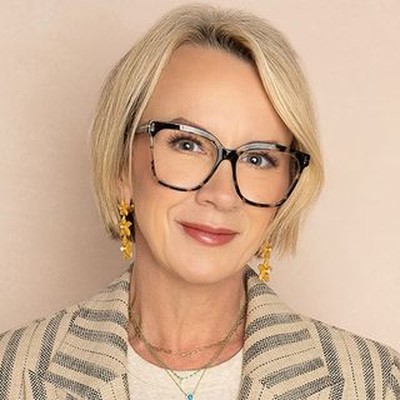
Ashley Royer, DNP, PMHNP-BC, CCRN
Psychiatric-Mental Health Nurse Practitioner
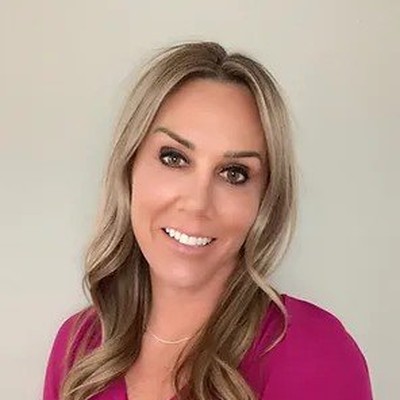
Kassi Goodman, PhD, LAC, LPC, ICADC, NBCFCH
Licensed Counselor & Addiction Specialist