
When someone you love starts medication-assisted treatment (MAT) for opioid use disorder, you can be a real part of what helps. SAMHSA, the federal Substance Abuse and Mental Health Services Administration, says research shows family support can play a major role in helping a loved one with mental and substance use disorders. Here is how to help, what to know about the medicines, and why naloxone belongs in your home.
What MAT is
MAT pairs medication with counseling and regular follow-up. For opioid use disorder, the medicines include buprenorphine (Suboxone, Subutex, Sublocade, Brixadi) and naltrexone, including the Vivitrol shot. SAMHSA says these medicines do not just substitute one drug for another.
Open the door with "Can we talk?"
Starting a hard conversation can feel awkward. SAMHSA's family page suggests opening a conversation about mental health with three simple words: "Can we talk?" The same gentle start can help when you want to talk about treatment. SAMHSA also notes that family members may be more likely to notice changes in mood or behavior, so you can help connect a loved one with care early.
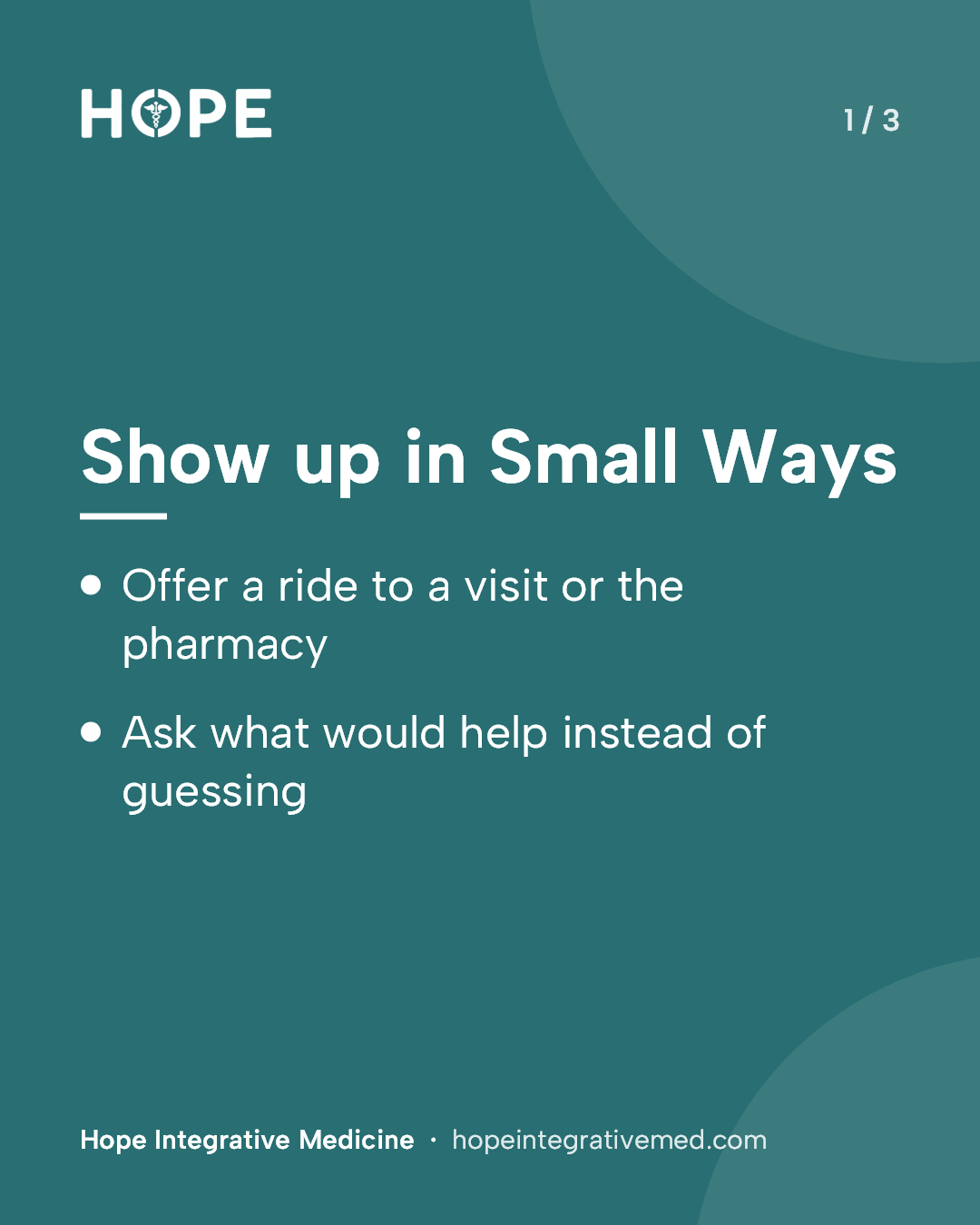
Some simple ways to show support: ask what would help instead of guessing. Notice and praise steps like keeping appointments. Offer a ride to a visit or the pharmacy. Listen without judging, even on hard days.
Support the plan, not a quick stop
Some relatives worry that a loved one should get off the medicine fast. SAMHSA says medications for opioid use disorder can be used long term, tailored to each person, and that people should talk with their doctor before stopping them. It also says the length of time on buprenorphine is tailored to each person. If your loved one is thinking about a change, encourage a conversation with their provider.
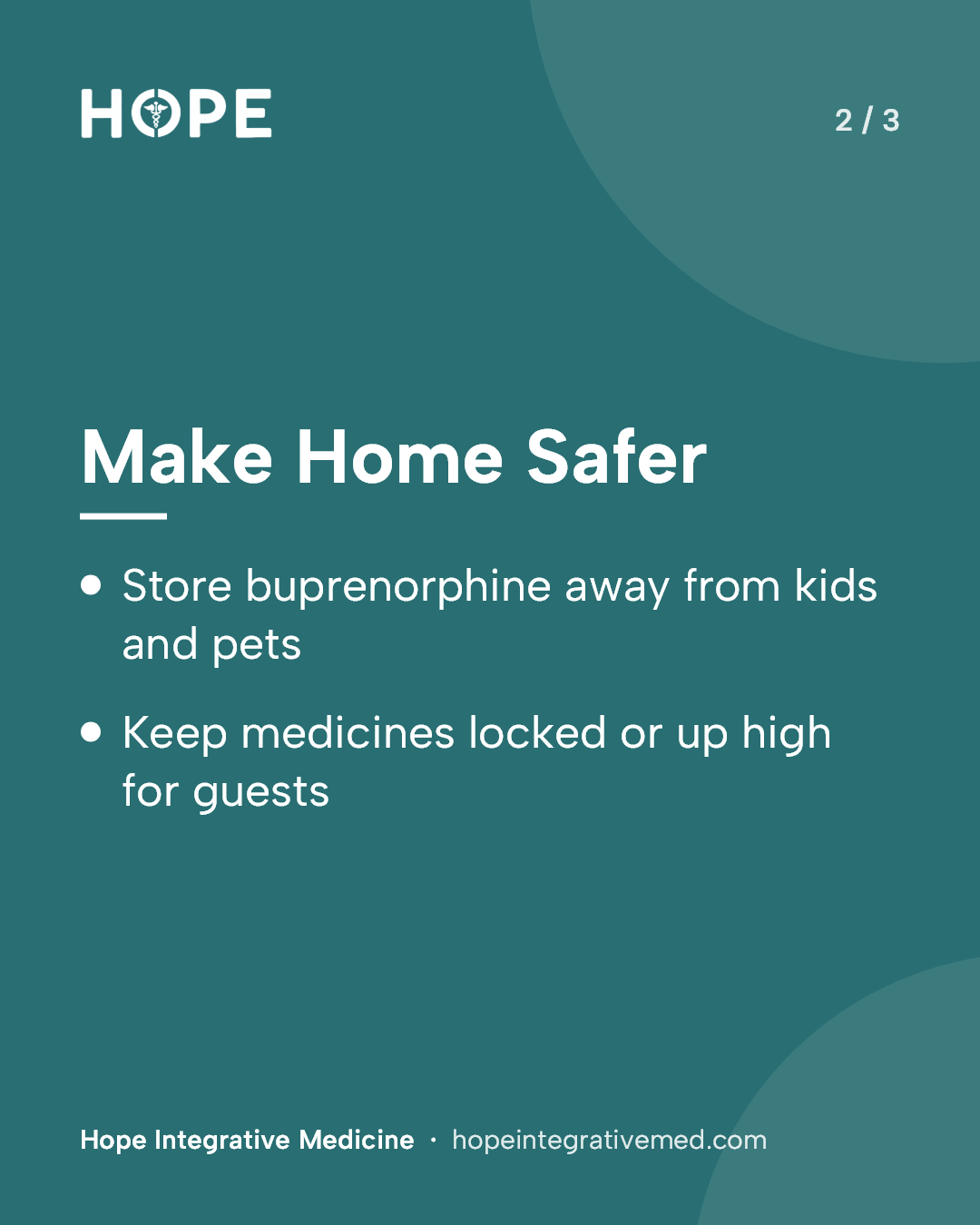
You can help at home, too. SAMHSA advises people taking buprenorphine not to drink alcohol or take sedatives, tranquilizers or other drugs that slow breathing. It also says to store buprenorphine out of reach of children and pets. When guests visit for the holidays, keep medicines in a locked or high place.
Keep naloxone at home
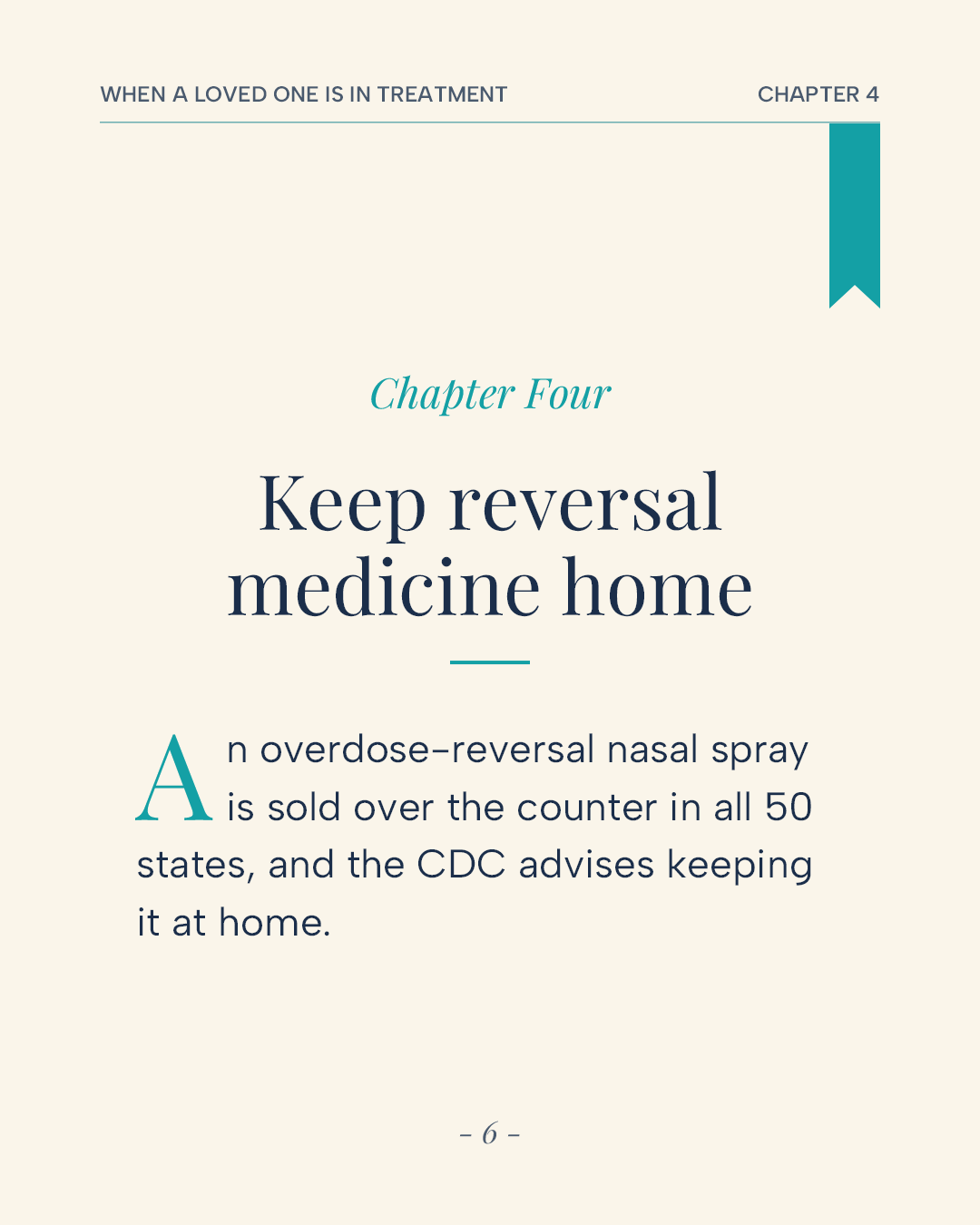
Naloxone is a medicine that quickly reverses an opioid overdose by blocking the effects of opioids. The CDC says it is available over the counter in all 50 states, and you don't need a prescription to buy it. You can also get it from community-based naloxone programs and most syringe services programs. The CDC advises keeping naloxone at home.
The FDA label for Suboxone asks patients and caregivers to learn about overdose reversal medicines such as naloxone, and says naloxone may be given for a known or suspected overdose with buprenorphine itself. The CDC says naloxone won't harm someone who is overdosing on drugs other than opioids. Keep it where everyone in the house can find it, and bring it to family gatherings.
If you think someone is overdosing
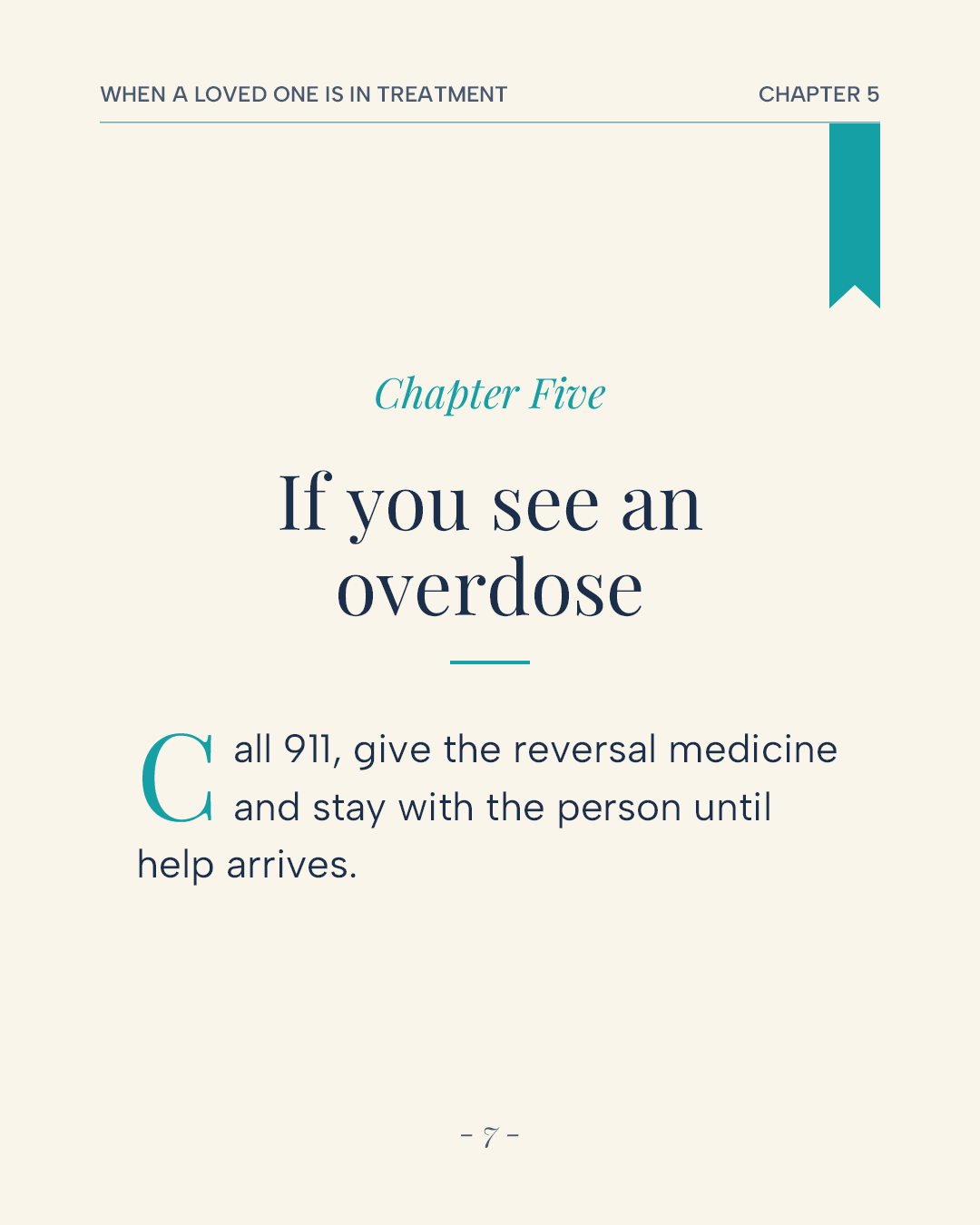
Call 911 and give naloxone. The CDC says to stay with the person until emergency help arrives, or for at least four hours, to make sure their breathing returns to normal. More than one dose may be needed when stronger opioids like fentanyl are involved.
Ready to Get Started?
Primary care, mental health, and addiction medicine in one practice. New patients are often able to be scheduled within a week of requesting an appointment.
9 cards. Swipe or tap to see the next one.

Caregivers need care too
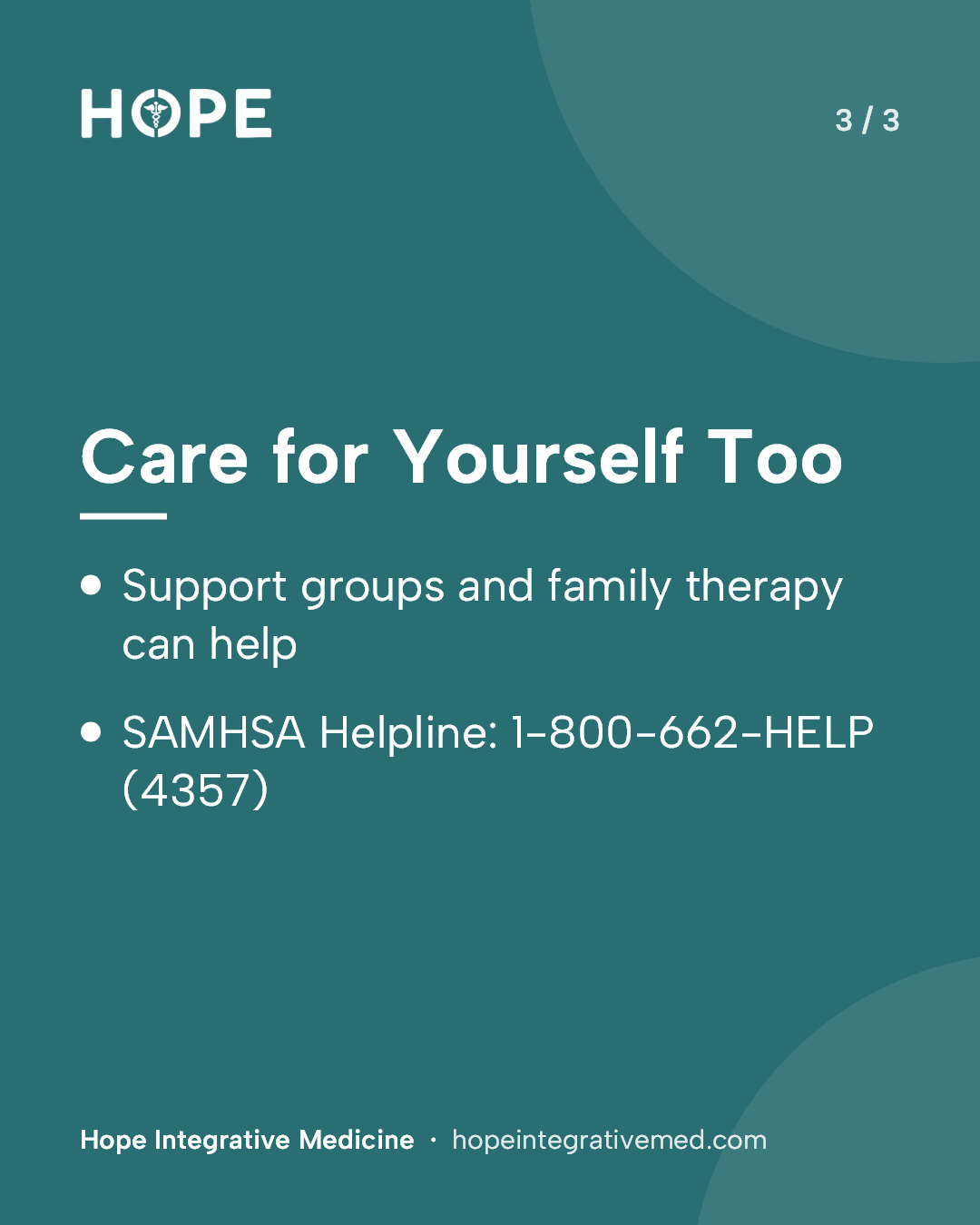
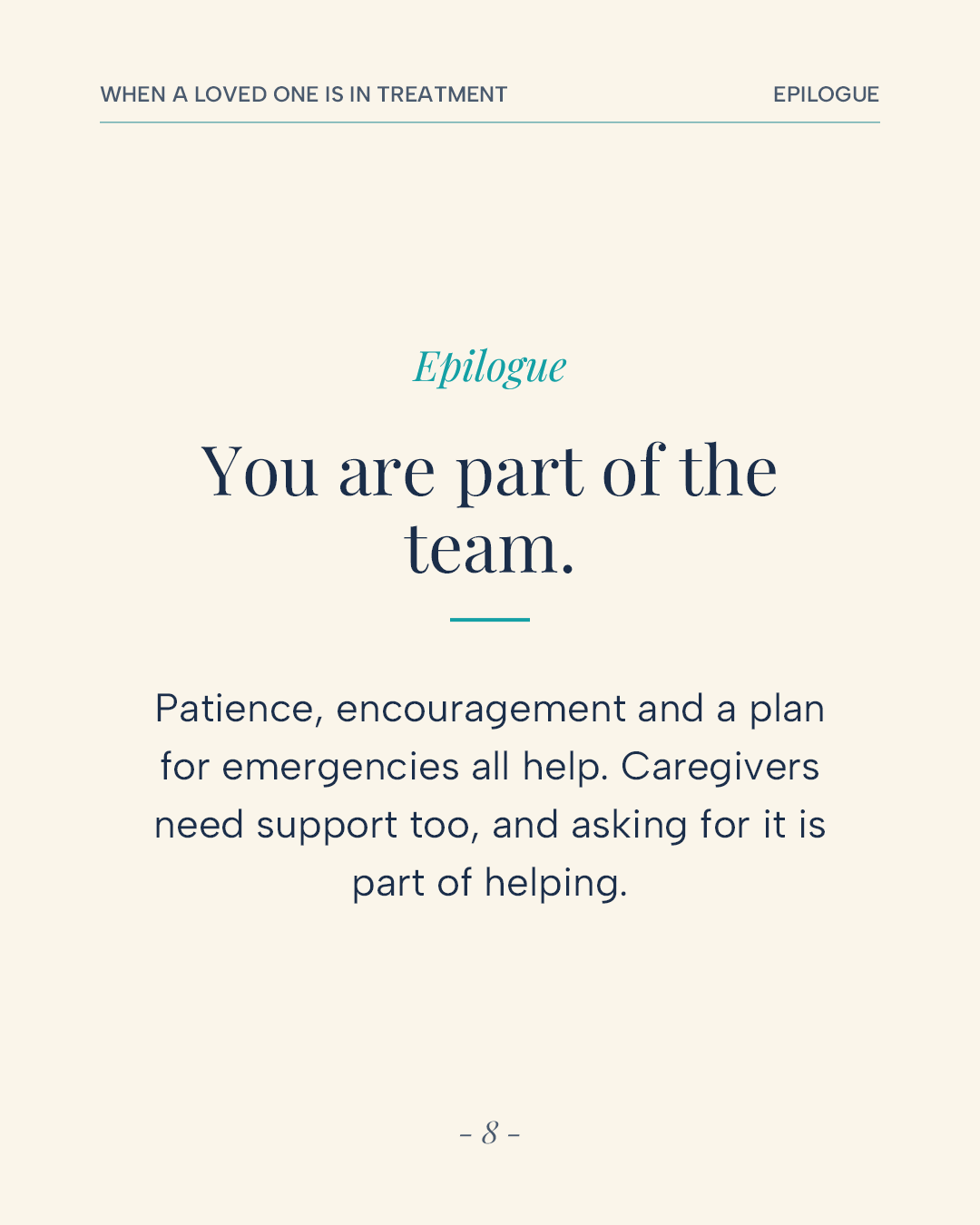
Supporting someone in recovery takes energy. SAMHSA says caregivers should take steps to prioritize their own health as well, and that support groups, family therapy and counseling can help the whole family. Asking for support is part of helping.
A question to bring to your next visit
"How can my family support my treatment, and where should we keep naloxone at home?"
In an emergency, including a possible overdose, call 911. If you or someone you know is struggling, call or text 988 to reach the 988 Suicide & Crisis Lifeline, which is also there for alcohol or drug use concerns.
MAT with family support at Hope Integrative Medicine
Our addiction medicine providers offer medication-assisted treatment for opioid use disorder, combining buprenorphine or naltrexone with counseling and regular follow-up. Hope provides hybrid in-person and virtual MAT care, and treatment typically begins with an in-person assessment in West Ashley, followed by weekly in-person or virtual visits before moving to a monthly schedule. Each plan is tailored to the patient and their situation. Virtual visits can make it easier for family members anywhere in South Carolina to help a loved one stay in care. New patients are often able to be scheduled within a week of requesting an appointment. Request an appointment.
Sources: SAMHSA, Helping Families Cope (updated August 3, 2026); SAMHSA, Buprenorphine (updated April 6, 2026); SAMHSA, Treatment Options for Substance Use Disorder (updated August 25, 2025); CDC, Lifesaving Naloxone (2025); SUBOXONE sublingual film prescribing information, FDA label via DailyMed (revised December 2025); 988 Suicide & Crisis Lifeline.
This article is general information, not medical advice, and does not create a patient–provider relationship. Every situation is different, so see a provider who can evaluate yours and develop a plan of care. Any medication discussed here may not be right for you: the right choice depends on your diagnoses, other health conditions and current medicines, so take medication only as directed by the provider managing your care. If you are ever in doubt about an emergency, call 911 or go to the nearest emergency room.
Frequently Asked Questions
Start with a calm "Can we talk?", as SAMHSA suggests, and support their treatment plan. Help at home by storing buprenorphine out of reach of children and pets and keeping naloxone on hand.
Not without their provider. SAMHSA says medications for opioid use disorder can be used long term, tailored to each person, and that people should talk with their doctor before stopping.
No. The CDC says naloxone is available over the counter in all 50 states, and you don't need a prescription to buy it.
Call 911 and give naloxone. The CDC says to stay with the person until help arrives or for at least four hours, and more than one dose may be needed when fentanyl is involved.
SAMHSA says support groups, family therapy and counseling can help the whole family. If you or someone you know is struggling, call or text 988.