
If you want to stop using kratom or 7-OH, you can, and you do not have to do it alone. Knowing what withdrawal can feel like, how a provider sorts out what is going on and what treatment can do makes it easier to plan a safer stop.
Kratom and 7-OH: what is the difference?
Kratom comes from a plant. The National Institute on Drug Abuse (NIDA) says the body breaks down mitragynine, kratom's main compound, into another chemical called 7-hydroxymitragynine, or 7-OH. The FDA says 7-OH occurs naturally in only trace amounts in the plant. Concentrated 7-OH products are different. The FDA calls them novel potent opioid products and says they are sold online and at smoke shops, gas stations and corner stores, in forms such as tablets, gummies, drink mixes and shots. There are no FDA-approved 7-OH drugs.
Symptoms: what withdrawal can feel like
The FDA has received reports of withdrawal symptoms from 7-OH products, such as restlessness, body aches, fatigue, irritability and cold sweats. It has also received reports of addiction, anxiety, depression, stomach and bowel problems, trouble sleeping and seizures linked to 7-OH products.
For leaf kratom, NIDA says studies suggest people may have mild to moderate withdrawal symptoms when they stop regular use. In early surveys, only a minority of people reported withdrawal, and NIDA says more research is needed. Concentrated 7-OH and leaf kratom are not the same product, so tell your provider which one you used.
How it is diagnosed
NIDA notes that the DSM-5, the manual clinicians use to diagnose mental health and substance use conditions, does not include a specific diagnosis for kratom use. Researchers studying kratom have adapted the criteria used for other substance use disorders.
At a visit, your provider will ask what you used (leaf kratom or a concentrated 7-OH product), how much, how often and for how long. They will ask what happens when you skip a dose or try to stop, and whether use is affecting your health, work or home life. They will also ask about alcohol, other drugs and your medicines. Honest answers help your provider build a plan that fits you.
Treatment: what can help
NIDA says there are currently no approved medical therapies made specifically for kratom withdrawal or kratom use disorder. In very limited cases, researchers have reported using medications, and NIDA says robust clinical trials are still needed.
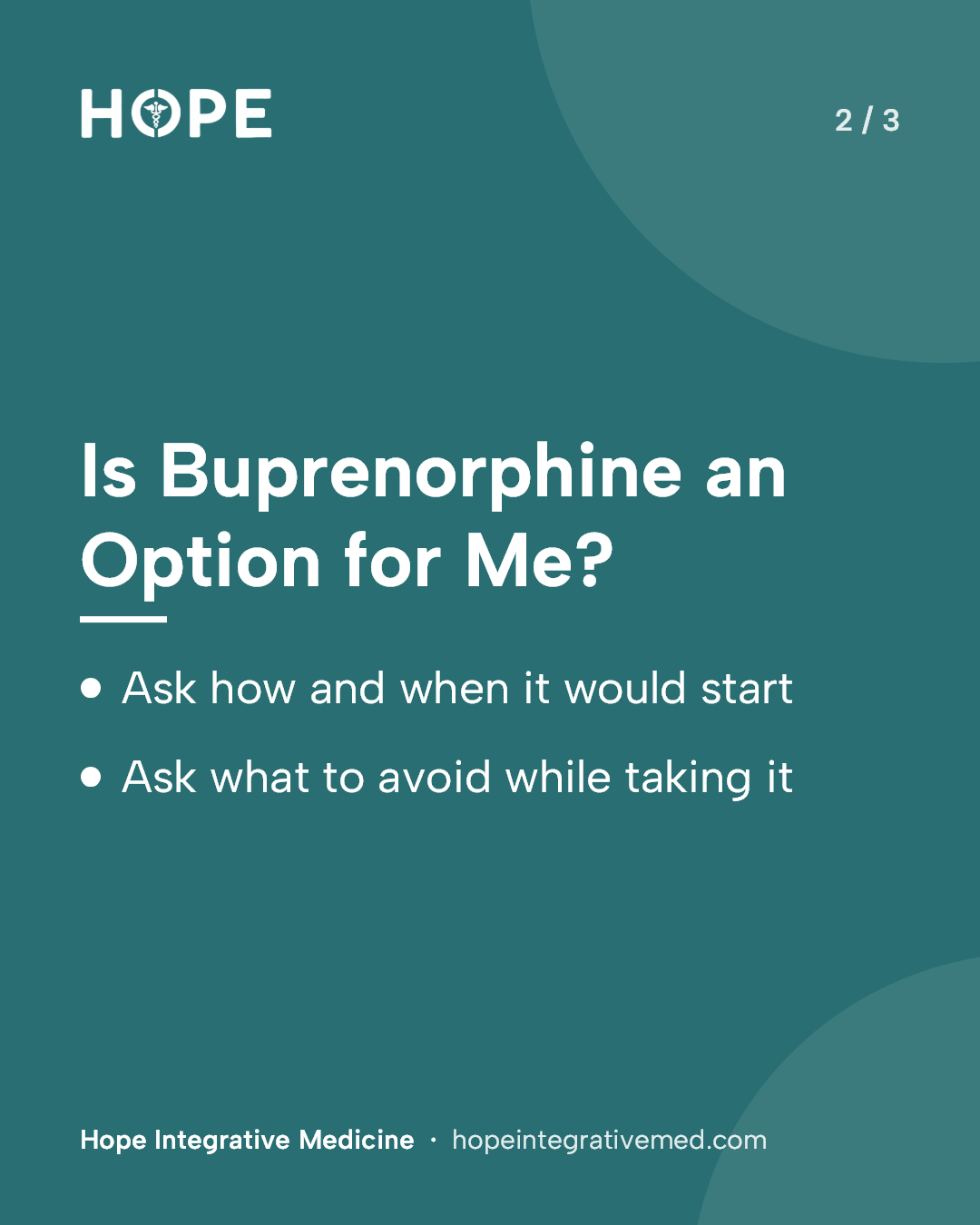
Doctors have reported using buprenorphine (Suboxone) to treat kratom dependence in published case reports and case series, but there are no formal treatment guidelines yet. One 2021 case series and literature review looked at 8 people with kratom dependence treated with buprenorphine-naloxone, and its authors noted that there were no guidelines yet for this kind of care. If buprenorphine fits your situation, your provider will explain how and when to start it.
The FDA says to talk to your health care professional if you need help with opioid addiction, and that there are approved treatments for it and related problems. Counseling and regular follow-up visits go along with medication. While taking buprenorphine, SAMHSA, the federal Substance Abuse and Mental Health Services Administration, advises against alcohol, sedatives, tranquilizers or other drugs that slow breathing.
Ready to Get Started?
Primary care, mental health, and addiction medicine in one practice. New patients are often able to be scheduled within a week of requesting an appointment.
5 cards. Swipe or tap to see the next one.
When to get help right away
NIDA says that in laboratory models, 7-OH can cause respiratory depression, meaning dangerously slow breathing, that is reversed by naloxone. If someone who took kratom or 7-OH is very drowsy, hard to wake or breathing slowly, call 911 and give naloxone if you have it. The FDA says to call the Poison Help Line at 1-800-222-1222 if you think someone had a bad reaction to a 7-OH product, and to dial 911 right away if someone is unresponsive.
A note for South Carolina
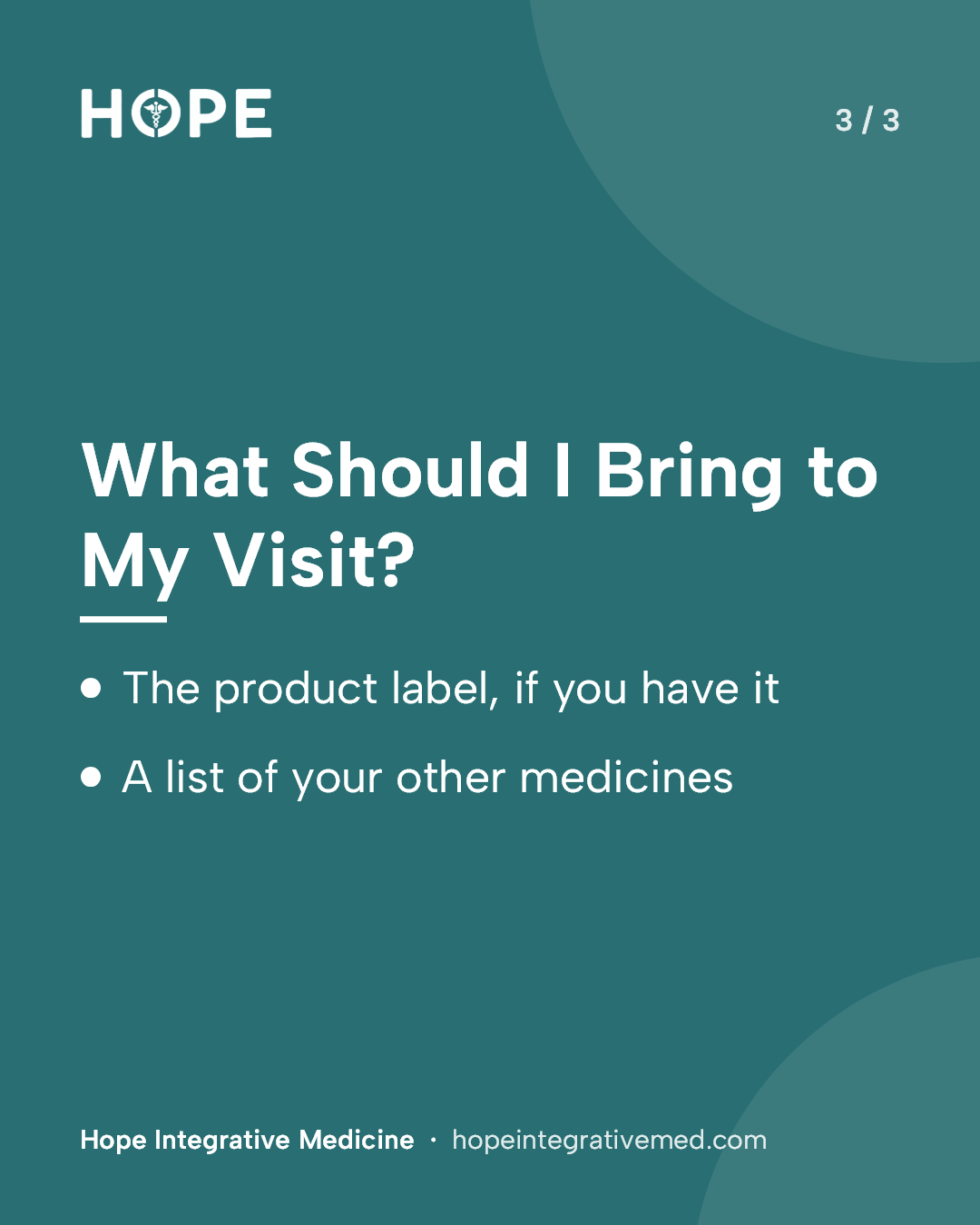
South Carolina's Kratom Consumer Protection Act (Act 35 of 2025) bans selling kratom products to anyone under 21. It also requires labels to list how much mitragynine and 7-OH a product contains. Bringing the label to your visit helps your provider know exactly what you have been taking.
A question to bring to your next visit
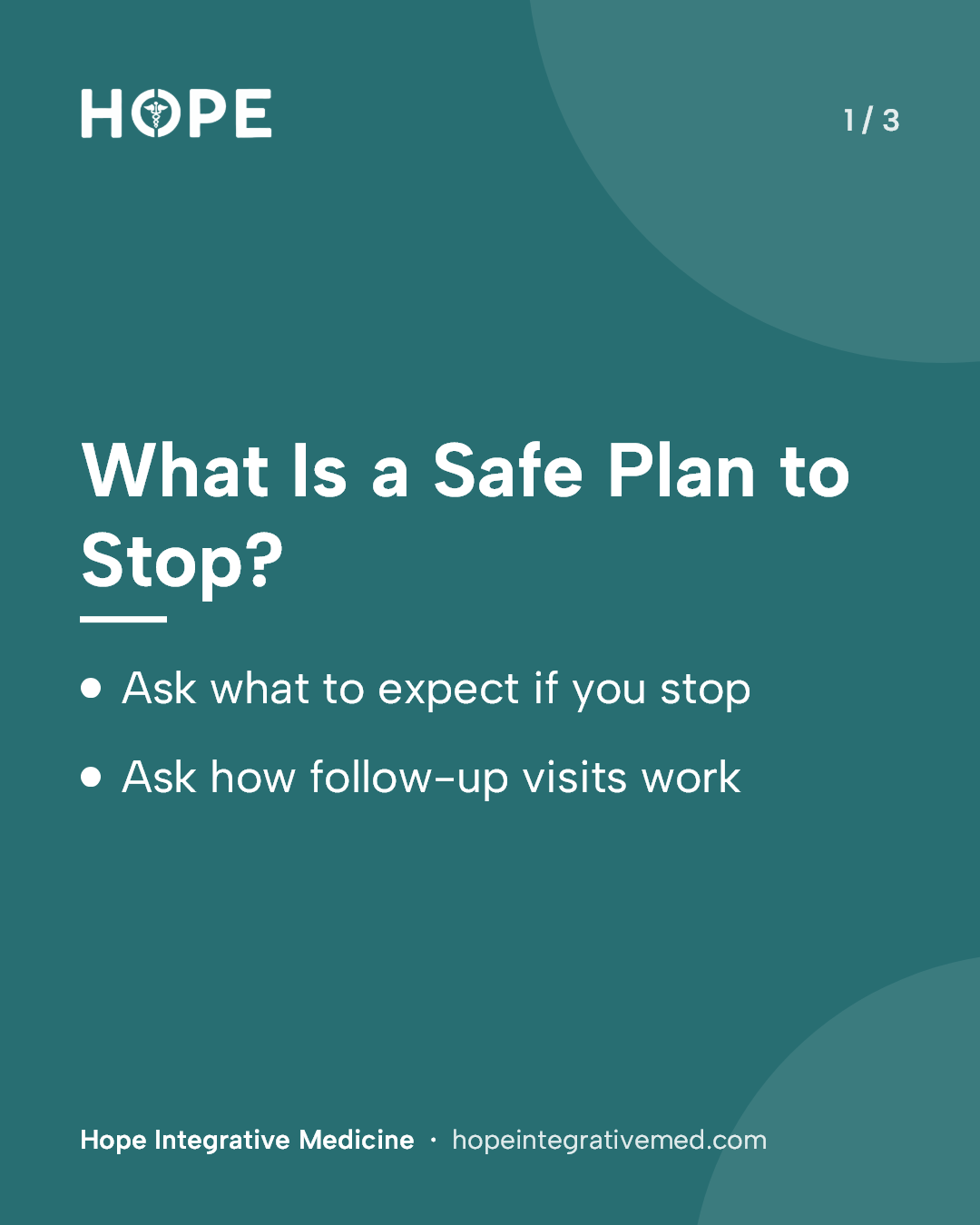
"I use leaf kratom or a 7-OH product. What would a safe plan to stop look like for me, and is buprenorphine an option?"
In an emergency, including a possible overdose, call 911. If you or someone you know is struggling, call or text 988 to reach the 988 Suicide & Crisis Lifeline, which is also there for alcohol or drug use concerns.
Kratom and 7-OH care at Hope Integrative Medicine
Our addiction medicine providers treat 7-OH and kratom dependence, with medication when it fits, counseling and regular follow-up. Hope provides hybrid in-person and virtual MAT care, with local labs for urine drug screens and periodic vitals checks close to home. Treatment typically begins with an in-person assessment in West Ashley, followed by weekly in-person or virtual visits before moving to a monthly schedule. Each plan is tailored to the patient and their situation. New patients are often able to be scheduled within a week of requesting an appointment. Request an appointment.
Sources: National Institute on Drug Abuse, Kratom (March 2026); Weiss ST, Douglas HE. Treatment of Kratom Withdrawal and Dependence With Buprenorphine/Naloxone: A Case Series and Systematic Literature Review. J Addict Med (2021); FDA, Products Containing 7-OH Can Cause Serious Harm (2025); FDA, FDA Takes Steps to Restrict 7-OH Opioid Products (July 29, 2025); SAMHSA, Buprenorphine (updated April 6, 2026); South Carolina General Assembly, S.221, Act No. 35 of 2025 (South Carolina Kratom Consumer Protection Act); 988 Suicide & Crisis Lifeline.
This article is general information, not medical advice, and does not create a patient–provider relationship. Every situation is different, so see a provider who can evaluate yours and develop a plan of care. Any medication discussed here may not be right for you: the right choice depends on your diagnoses, other health conditions and current medicines, so take medication only as directed by the provider managing your care. If you are ever in doubt about an emergency, call 911 or go to the nearest emergency room.
Frequently Asked Questions
The FDA lists withdrawal symptoms from 7-OH products such as restlessness, body aches, fatigue, irritability and cold sweats. NIDA says people may have mild to moderate withdrawal when they stop regular kratom use.
No. The FDA says 7-OH occurs naturally in only trace amounts in the kratom plant, while concentrated 7-OH products are novel potent opioid products. There are no FDA-approved 7-OH drugs.
NIDA notes that the DSM-5 does not include a specific diagnosis for kratom use. Researchers have adapted the criteria used for other substance use disorders.
NIDA says there are no approved medical therapies made specifically for kratom withdrawal. Doctors have reported using buprenorphine (Suboxone) to treat kratom dependence in published case reports and case series, but there are no formal treatment guidelines yet.
Yes. Hope Integrative Medicine treats 7-OH and kratom dependence with hybrid in-person and virtual MAT care. Treatment typically begins with an in-person assessment in West Ashley, followed by weekly in-person or virtual visits before moving to a monthly schedule. Each plan is tailored to the patient and their situation.