3 Questions to Ask If You Want to Stop Kratom or 7-OH
Based on National Institute on Drug Abuse, Kratom (March 2026)
5 cards. Swipe or tap to see the next one.
What kratom and 7-OH withdrawal can feel like, how a provider looks at kratom dependence when there is no kratom-specific diagnosis, and how treatment, including buprenorphine, can help.
Ready to Talk About Medication-Assisted Treatment?
Our West Ashley team offers confidential medication-assisted treatment (MAT) for opioid and alcohol use disorders, through hybrid in-person and virtual care. Treatment typically begins with an in-person assessment in West Ashley, followed by weekly in-person or virtual visits before moving to a monthly schedule. Each plan is tailored to the patient and their situation. Schedule an appointment today.
In this guide
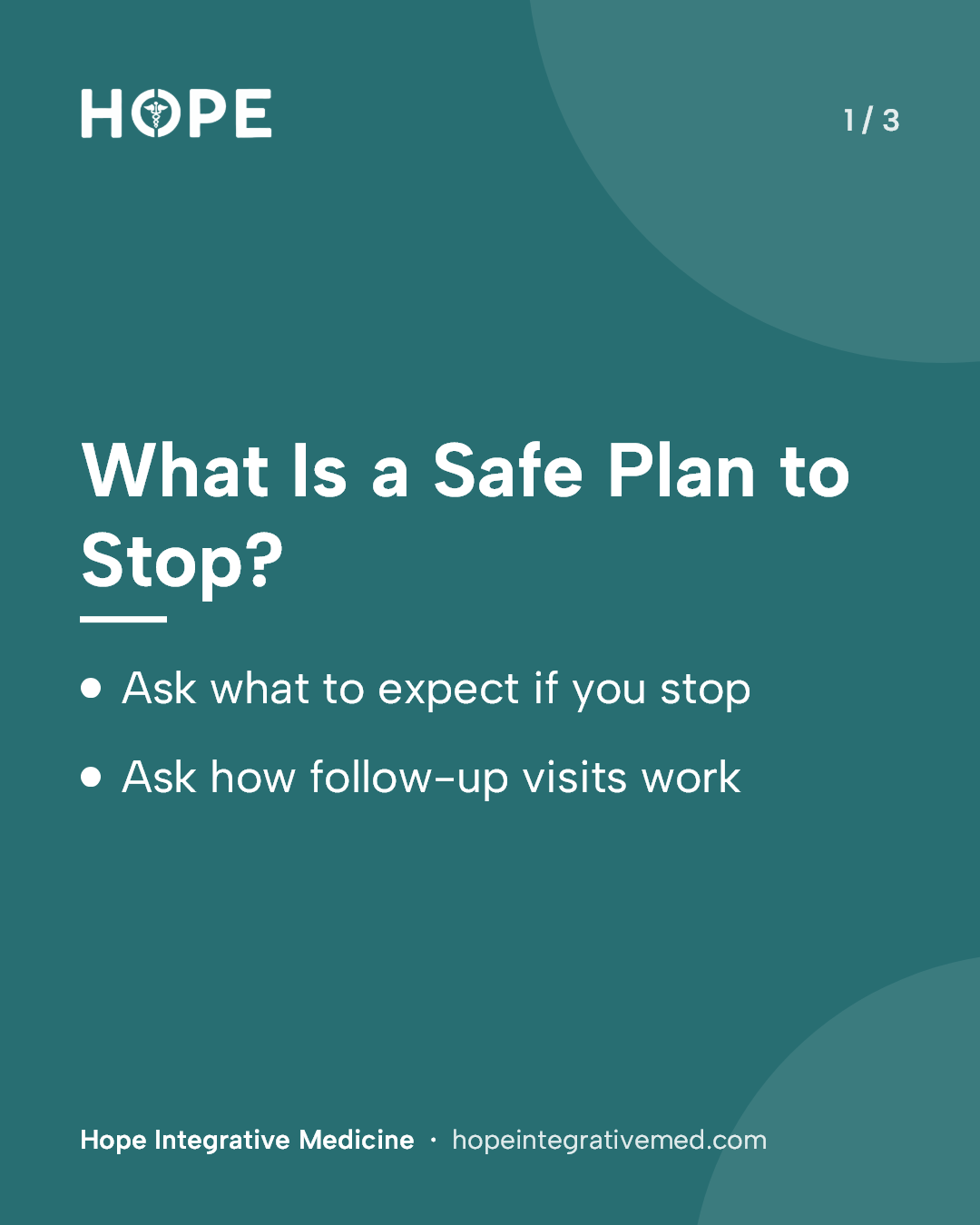
What Is a Safe Plan to Stop?
- Ask what to expect if you stop
- Ask how follow-up visits work
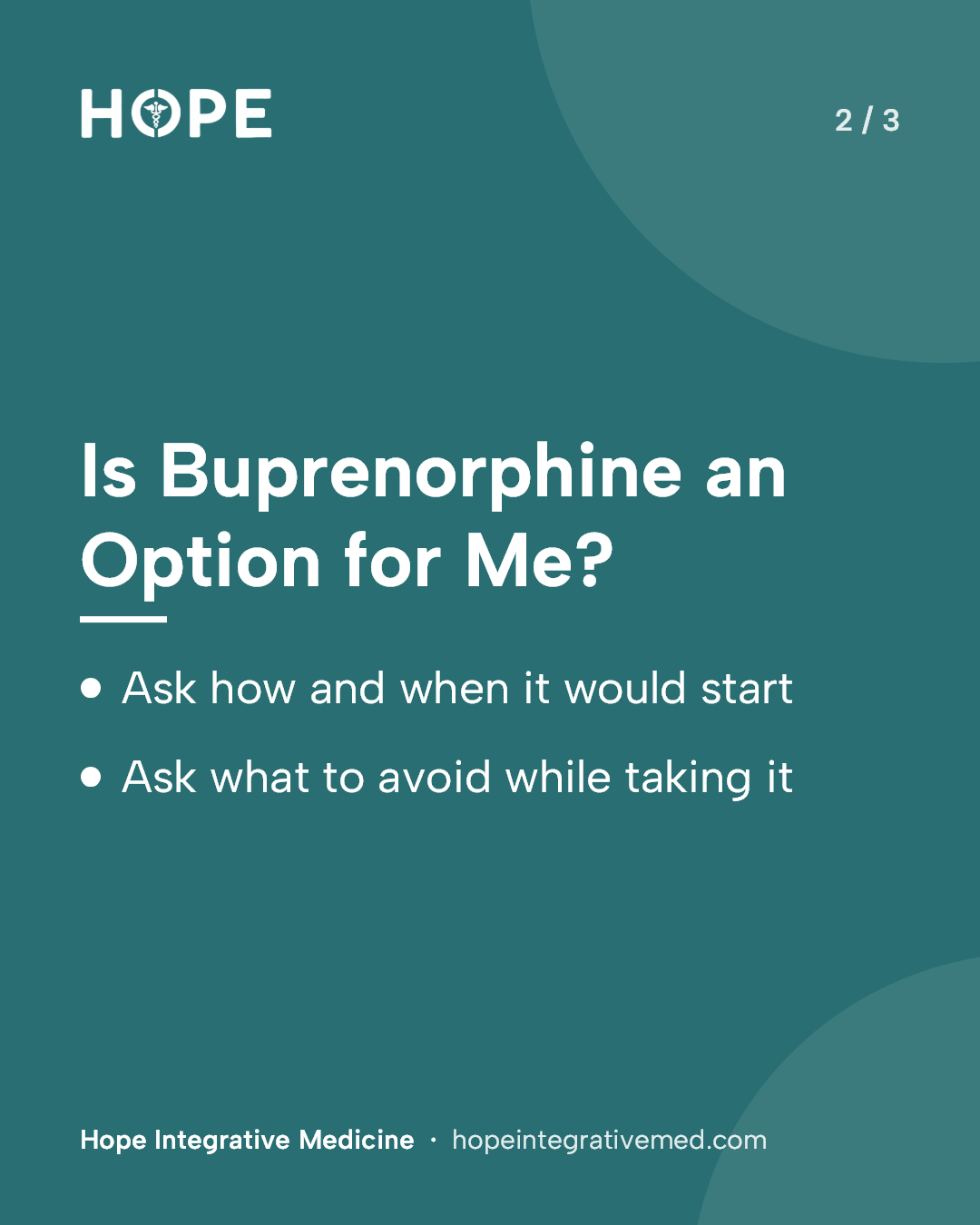
Is Buprenorphine an Option for Me?
- Ask how and when it would start
- Ask what to avoid while taking it
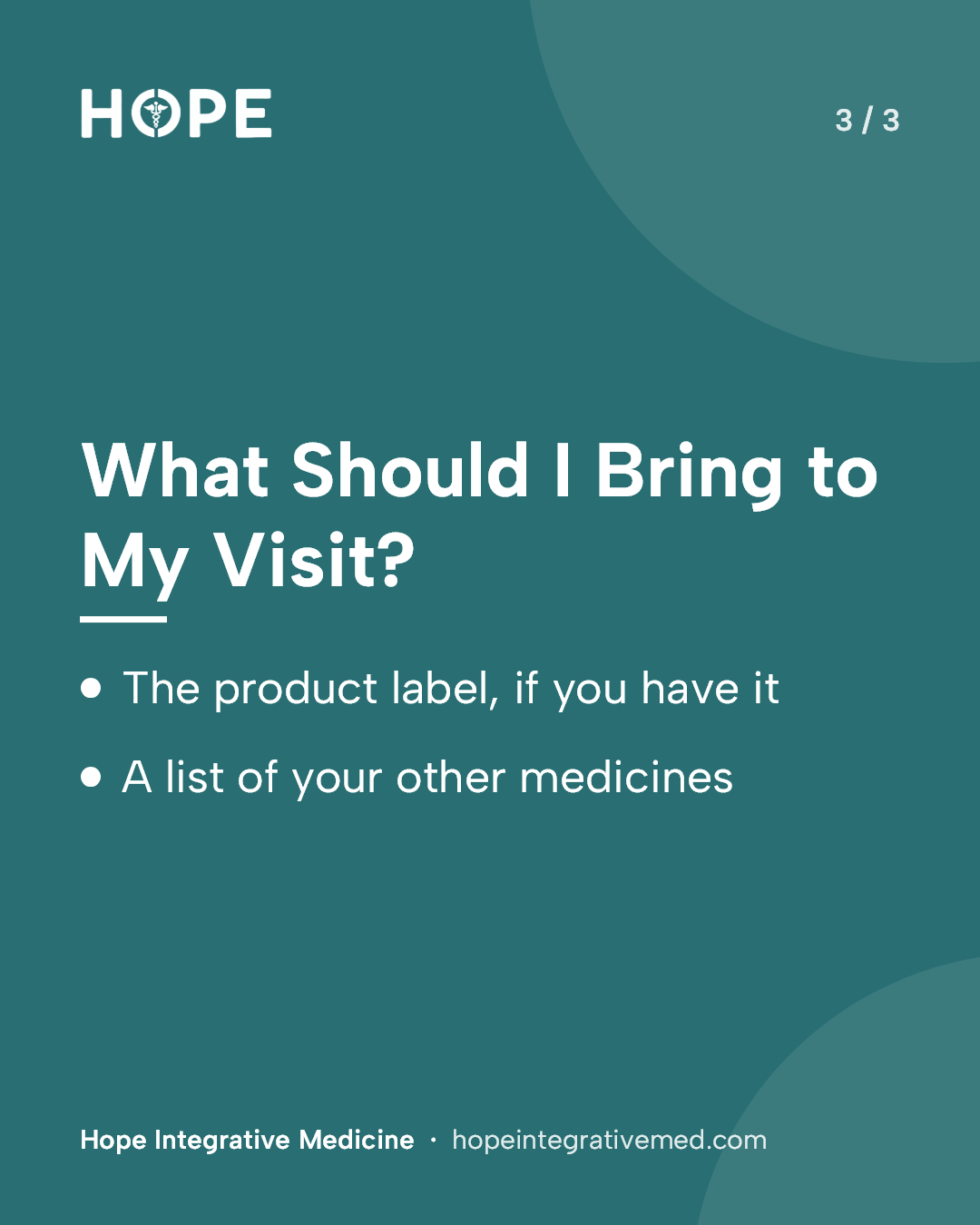
What Should I Bring to My Visit?
- The product label, if you have it
- A list of your other medicines
What the guideline says
- The FDA has received reports of withdrawal symptoms from 7-OH products, such as restlessness, body aches, fatigue, irritability and cold sweats.
- NIDA says studies suggest people may have mild to moderate withdrawal symptoms when they stop regular kratom use.
- The DSM-5 has no specific diagnosis for kratom use; researchers have adapted the criteria used for other substance use disorders.
- NIDA says there are currently no approved medical therapies made specifically for kratom withdrawal or kratom use disorder.
- Doctors have reported using buprenorphine (Suboxone) for kratom dependence in published case reports and case series; there are no formal treatment guidelines yet.
- South Carolina's Act 35 requires kratom labels to list how much mitragynine and 7-OH a product contains.
Source: National Institute on Drug Abuse, Kratom (March 2026)
Read the full article: Kratom and 7-OH Withdrawal: What It Feels Like and How Treatment Helps →
This guide is general health information and does not replace advice from your own provider.
Frequently Asked Questions
They will ask what you used (leaf kratom or a concentrated 7-OH product), how much, how often and for how long, what happens when you skip a dose or try to stop, and whether use is affecting your health, work or home life.
Concentrated 7-OH and leaf kratom are not the same product. The FDA says 7-OH occurs naturally in only trace amounts in the plant, so telling your provider which one you used helps them plan.
Yes. Counseling and regular follow-up visits go along with medication.