3 Ways Families Can Help a Loved One on MAT
Based on SAMHSA, Helping Families Cope (updated August 3, 2026)
5 cards. Swipe or tap to see the next one.
How families can support a loved one in medication-assisted treatment, why to support the plan instead of a quick stop, why to keep naloxone at home, and where caregivers can find help.
Ready to Talk About Medication-Assisted Treatment?
Our West Ashley team offers confidential medication-assisted treatment (MAT) for opioid and alcohol use disorders, through hybrid in-person and virtual care. Treatment typically begins with an in-person assessment in West Ashley, followed by weekly in-person or virtual visits before moving to a monthly schedule. Each plan is tailored to the patient and their situation. Schedule an appointment today.
In this guide
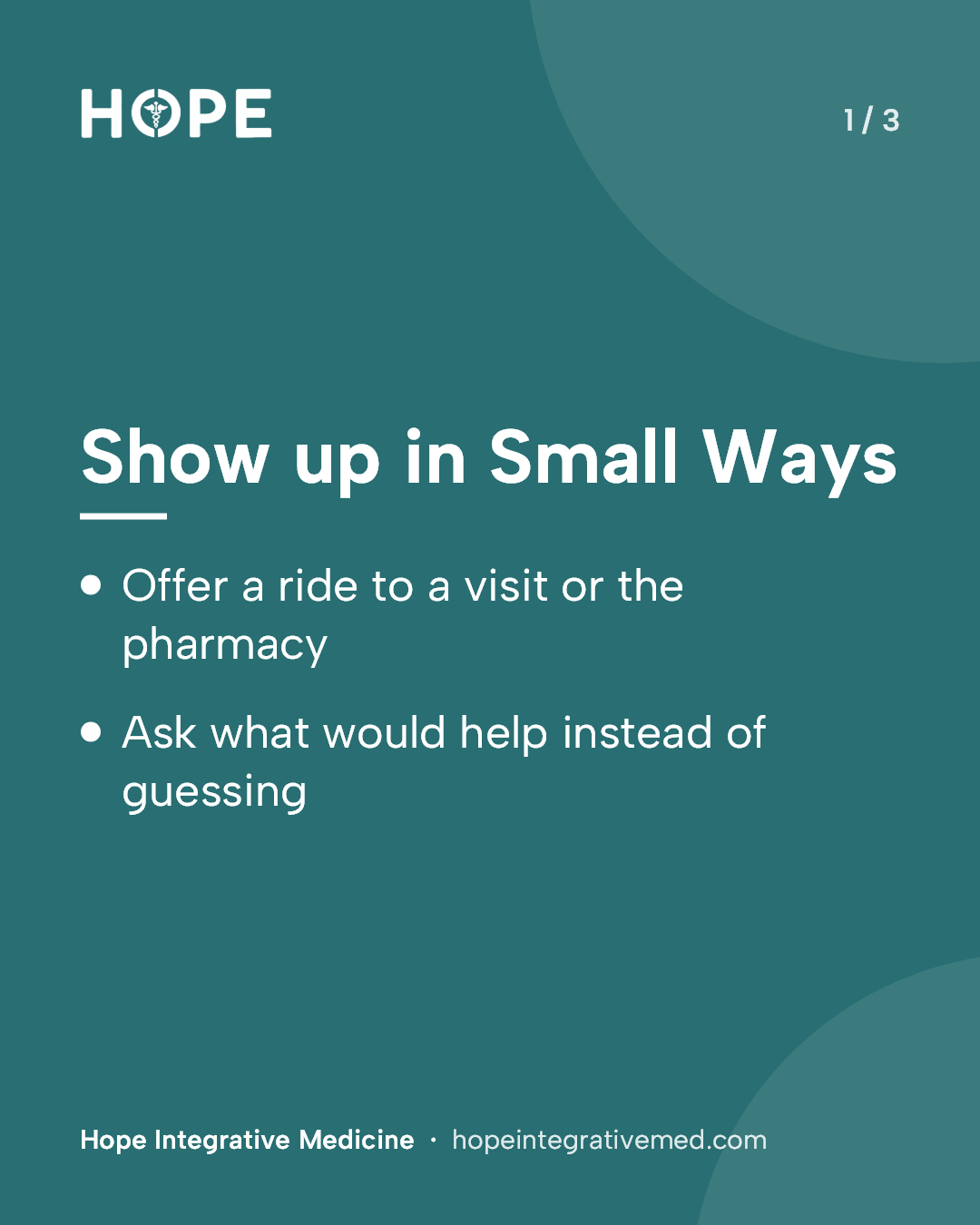
Show Up in Small Ways
- Offer a ride to a visit or the pharmacy
- Ask what would help instead of guessing
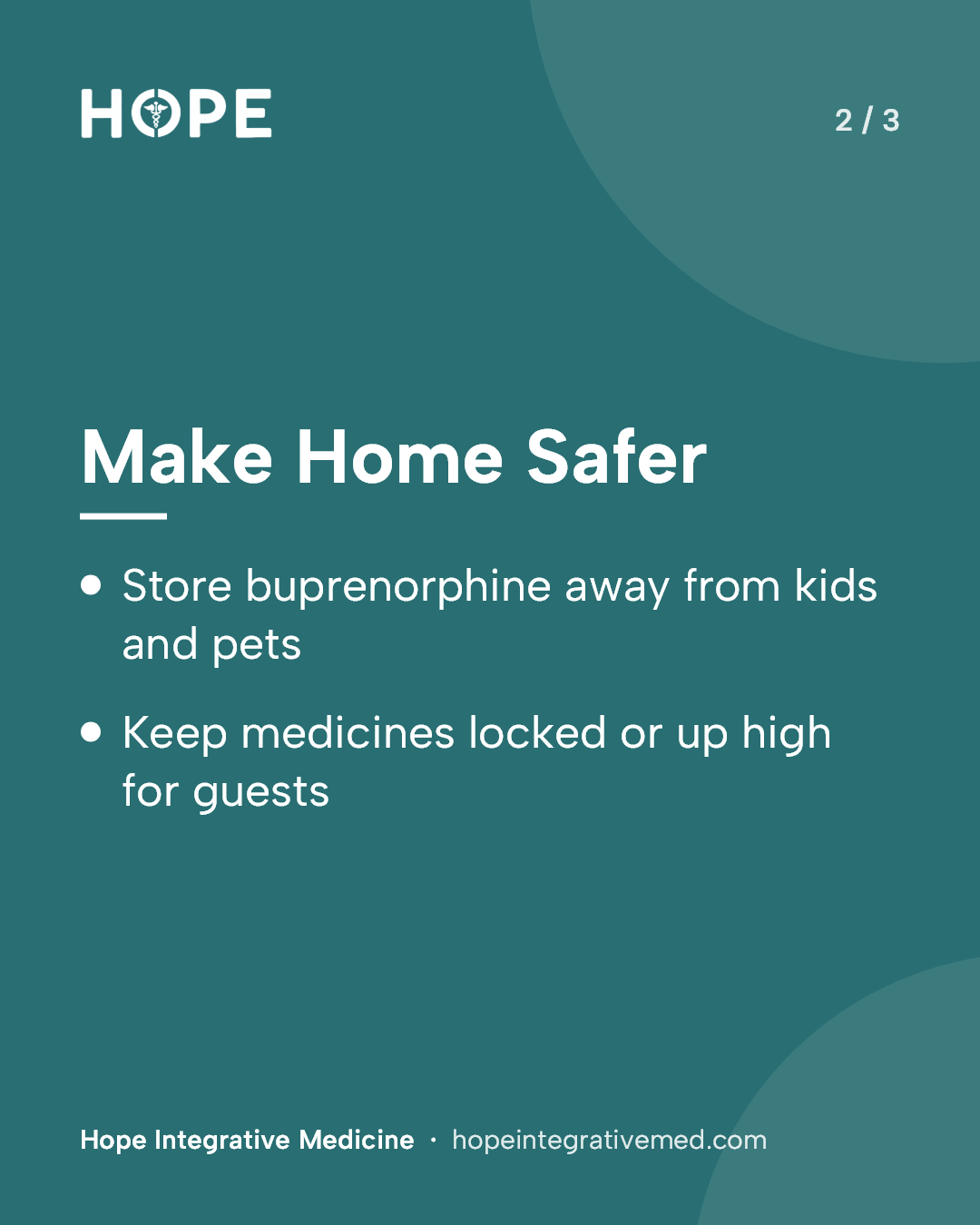
Make Home Safer
- Store buprenorphine away from kids and pets
- Keep medicines locked or up high for guests
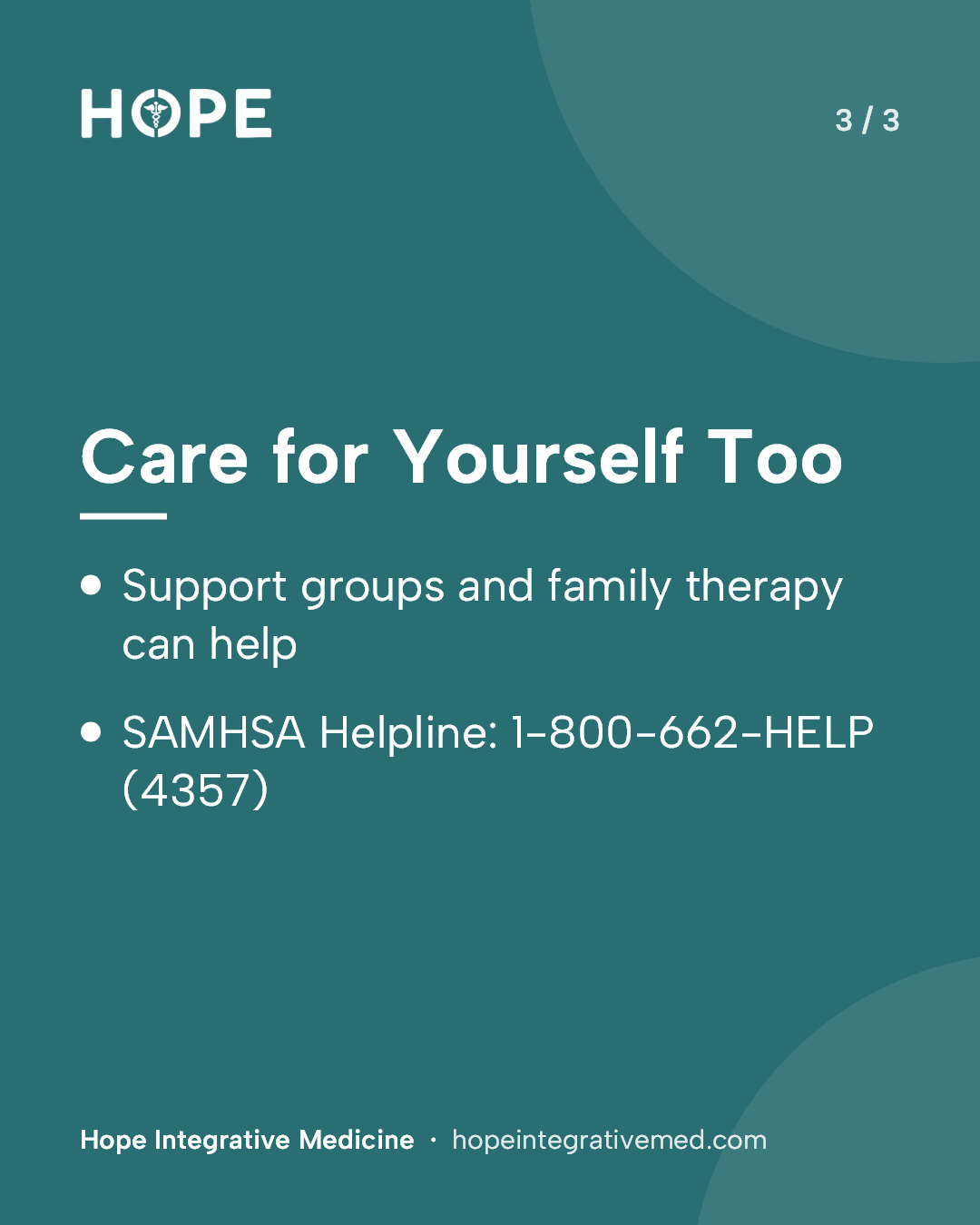
Care for Yourself Too
- Support groups and family therapy can help
- SAMHSA Helpline: 1-800-662-HELP (4357)
What the guideline says
- SAMHSA says research shows family support can play a major role in helping a loved one with mental and substance use disorders.
- Medication-assisted treatment pairs medication, such as buprenorphine or naltrexone, with counseling and regular follow-up.
- SAMHSA says medications for opioid use disorder can be used long term, tailored to each person, and people should talk with their doctor before stopping them.
- The CDC says naloxone is available over the counter in all 50 states and advises keeping it at home.
- If someone may be overdosing, call 911 and give naloxone; the CDC says to stay with the person until help arrives or for at least four hours.
Source: SAMHSA, Helping Families Cope (updated August 3, 2026)
This guide is general health information and does not replace advice from your own provider.
Frequently Asked Questions
The CDC says you can also get naloxone from community-based naloxone programs and most syringe services programs.
The CDC says naloxone won't harm someone who is overdosing on drugs other than opioids.
The FDA label for Suboxone says naloxone may be given for a known or suspected overdose with buprenorphine itself.