
Holiday meals, travel, late nights and full calendars can throw off the routines that keep long-term conditions steady. You do not have to sit out the season to stay on track. Here are simple, practical ways to enjoy the holidays while managing conditions like diabetes and high blood pressure, and how Medicare's Chronic Care Management service keeps your plan moving between visits.
Plan around the big meals
The Centers for Disease Control and Prevention (CDC) offers holiday tips for people with diabetes that make sense for many long-term conditions:
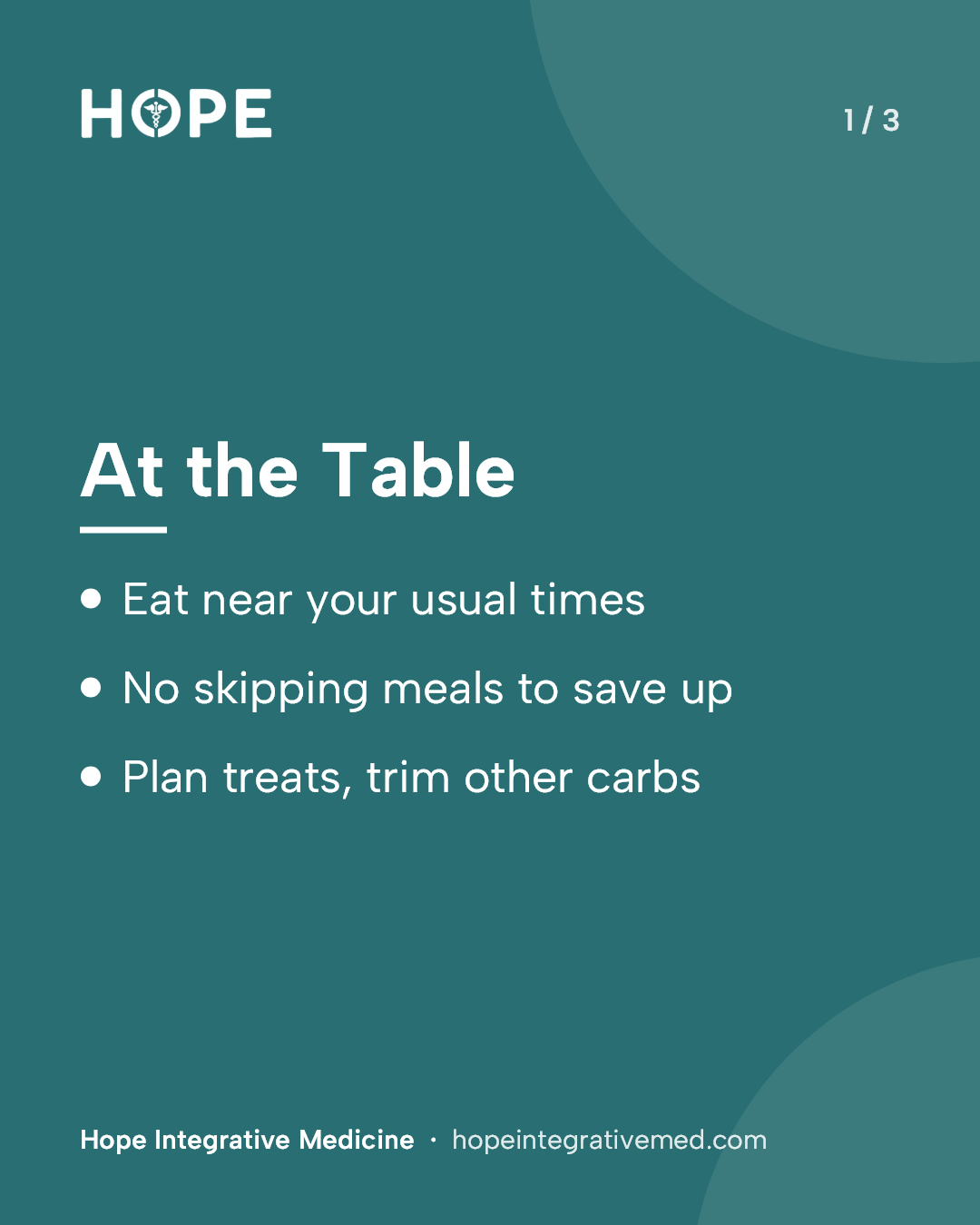
- Eat close to your usual times to keep your blood sugar steady.
- Do not skip meals to save up for a feast; when you are really hungry, you may be more likely to overeat.
- Plan your carbohydrate choices in advance. If you are going to have a sweet treat, cut back on other carbohydrates like potatoes, bread or pasta.
- Check your blood sugar, even in the middle of holiday festivities.
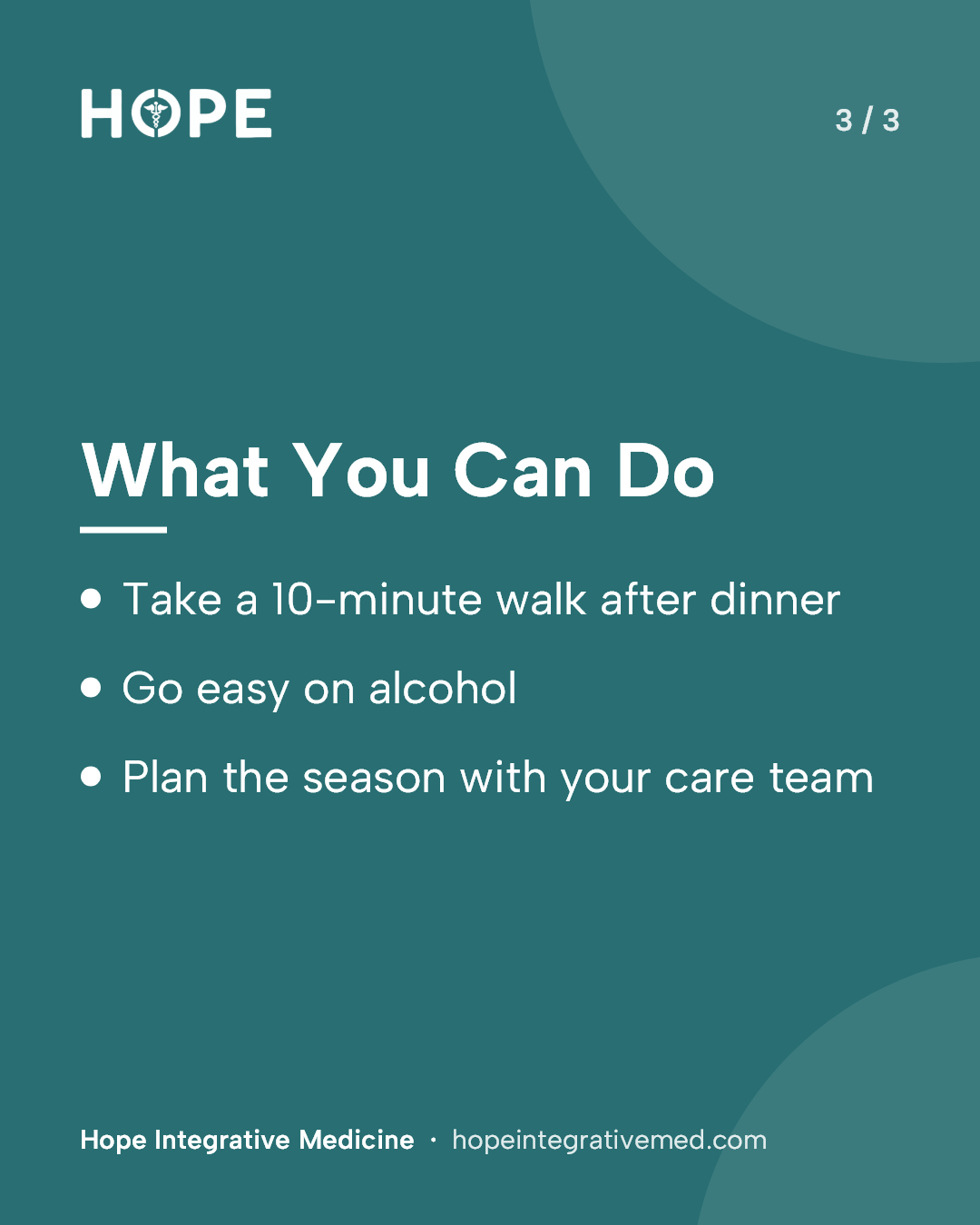
- Avoid or limit alcohol. If you do have a drink, avoid sugary mixers like juice or soda, and eat food with it.
Keep moving
CDC notes that you may not have time for a long walk, but even 10 minutes after a big meal helps. For the season overall, CDC suggests building up to 2 and a half hours of physical activity a week.
Keep your medicines on schedule
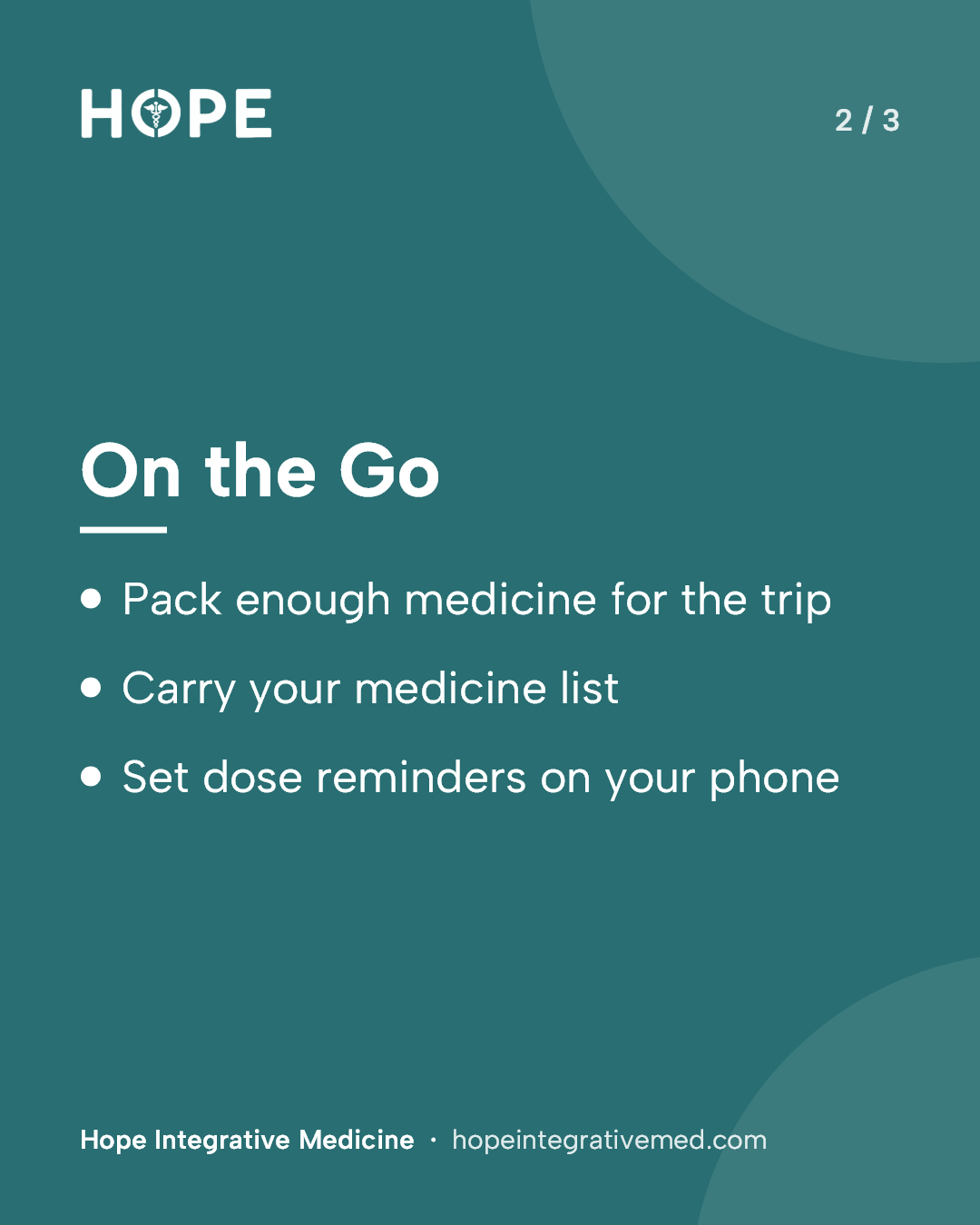
Busy days and travel make it easy to miss doses. Take your medicines as directed, and talk with your provider before you skip or stop one. CDC suggests setting timers or reminders to help you remember, and a reminder app may help. If you are traveling, pack enough medicine for the whole trip and keep your medicine list with you.
Look after your mood and sleep, too
CDC suggests getting enough sleep, taking breaks from news and social media, and talking with people you trust about how you are feeling. The holidays can be stressful, and stress makes managing any condition harder. If your mood has been low for 2 weeks or more, tell your provider.
How Chronic Care Management helps through the season
Chronic Care Management (CCM) is a Medicare service for people with two or more serious chronic conditions that are expected to last at least a year. Under Medicare's rules, it includes a comprehensive care plan built around your health problems and goals, a review of your medicines and how you take them, and a consistent member of your care team who stays in touch between visits.
At Hope Integrative Medicine, your care coordinators work closely with your provider, and track, revisit and chart your progress toward your goals every month, including the months when routines are hardest to keep. You can reach your care coordination team with questions, including through secure SMS messaging.
Medicare Part B may pay for CCM if you are eligible. After the Part B deductible, you generally pay 20% of the Medicare-approved amount. Medicare Advantage plans must cover everything Original Medicare covers, but costs and rules vary, so check with your plan. CCM starts only with your consent, and you can stop at any time.
Ready to Get Started?
Primary care, mental health, and addiction medicine in one practice. New patients are often able to be scheduled within a week of requesting an appointment.
5 cards. Swipe or tap to see the next one.
A question to bring to your next visit
"The holidays always throw off my routine. Could we plan ahead for the season as part of my care plan?"
Care coordination at Hope Integrative Medicine
Hope Integrative Medicine brings primary care, mental health and addiction medicine together, in person in West Ashley and through hybrid care across South Carolina. Our Chronic Care Management and Behavioral Health Integration programs connect that care between visits, so your plan keeps moving forward. Hope Integrative Medicine is not an emergency service; in an emergency, call 911.
Want a care team member focused on your care between visits? Ask us about enrolling. Bring it up at your next visit, send us a message or call (843) 737-0312, and we'll check whether Chronic Care Management or Behavioral Health Integration is right for you. New to Hope? Request an appointment.
Sources: Centers for Disease Control and Prevention, Healthy Eating and the Holidays (2024); Centers for Disease Control and Prevention, Caring for Your Mental Health (2026); Centers for Disease Control and Prevention, Medication Safety and Your Health (2024); Medicare.gov, Chronic Care Management Services; CMS Medicare Learning Network, Chronic Care Management Services (MLN909188, June 2025); Medicare.gov, Compare Original Medicare & Medicare Advantage.
This article is general information, not medical advice, and does not create a patient–provider relationship. Every situation is different, so see a provider who can evaluate yours and develop a plan of care. Any medication discussed here may not be right for you: the right choice depends on your diagnoses, other health conditions and current medicines, so take medication only as directed by the provider managing your care. If you are ever in doubt about an emergency, call 911 or go to the nearest emergency room. Coverage rules can change; check with your plan for your own costs.
Frequently Asked Questions
No. The Centers for Disease Control and Prevention says not to skip meals to save up for a feast; when you are really hungry, you may be more likely to overeat. Eat close to your usual times.
CDC suggests planning your carbohydrate choices in advance: if you are going to have a sweet treat, cut back on other carbohydrates like potatoes, bread or pasta.
Yes. CDC notes that even 10 minutes of walking after a big meal helps.
CDC suggests avoiding or limiting alcohol. If you do have a drink, avoid sugary mixers like juice or soda, and eat food with it.
CCM includes a care plan built around your goals, a review of your medicines and a consistent care team member who stays in touch between visits, which helps when routines are hardest to keep.
Medicare Part B may pay for CCM if you are eligible. After the Part B deductible, you generally pay 20% of the Medicare-approved amount.