
Heartburn after a big meal is common, and a few simple habits can often ease it. With Thanksgiving and holiday oyster roasts ahead, here is what heartburn and GERD feel like, when to get checked and what helps.
Acid reflux, GER and GERD
Gastroesophageal reflux (GER) happens when stomach contents come back up into your esophagus, the tube that carries food from your mouth to your stomach. Many people have it now and then. Gastroesophageal reflux disease (GERD) is a more serious, long-lasting form that causes repeated, bothersome symptoms or leads to problems over time. It may develop when the valve between the esophagus and stomach, the lower esophageal sphincter, becomes weak or relaxes when it should not.
Symptoms
The National Institute of Diabetes and Digestive and Kidney Diseases (NIDDK) lists heartburn and regurgitation as the most common symptoms:
- Heartburn: a burning feeling behind the breastbone that can rise toward the throat.
- Regurgitation: stomach contents coming back up into the throat or mouth, sometimes with a sour taste.
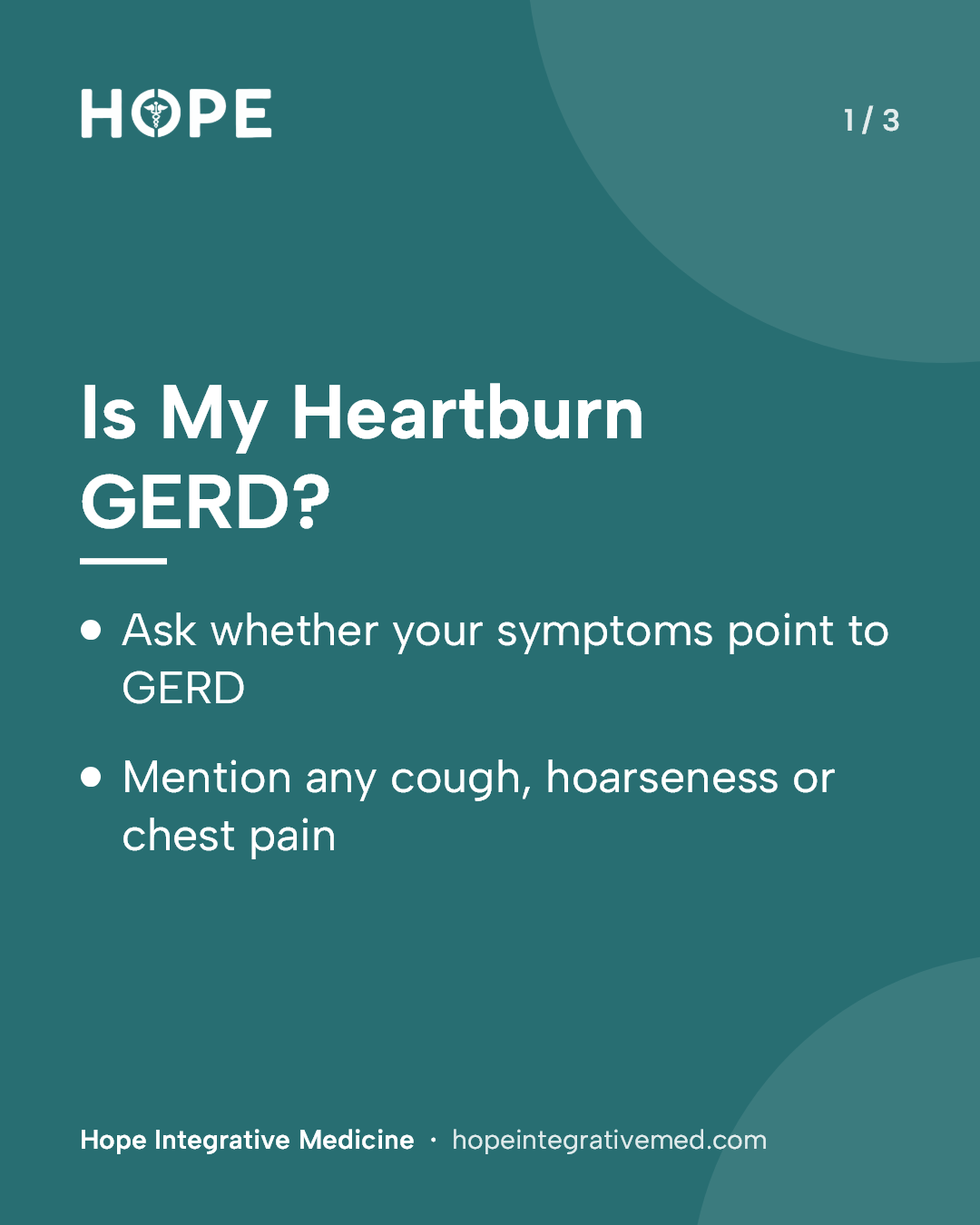
GERD can also cause chest pain, nausea, trouble or pain when swallowing, a cough that will not go away or a hoarse voice. Not everyone with GERD has heartburn.
What raises your risk
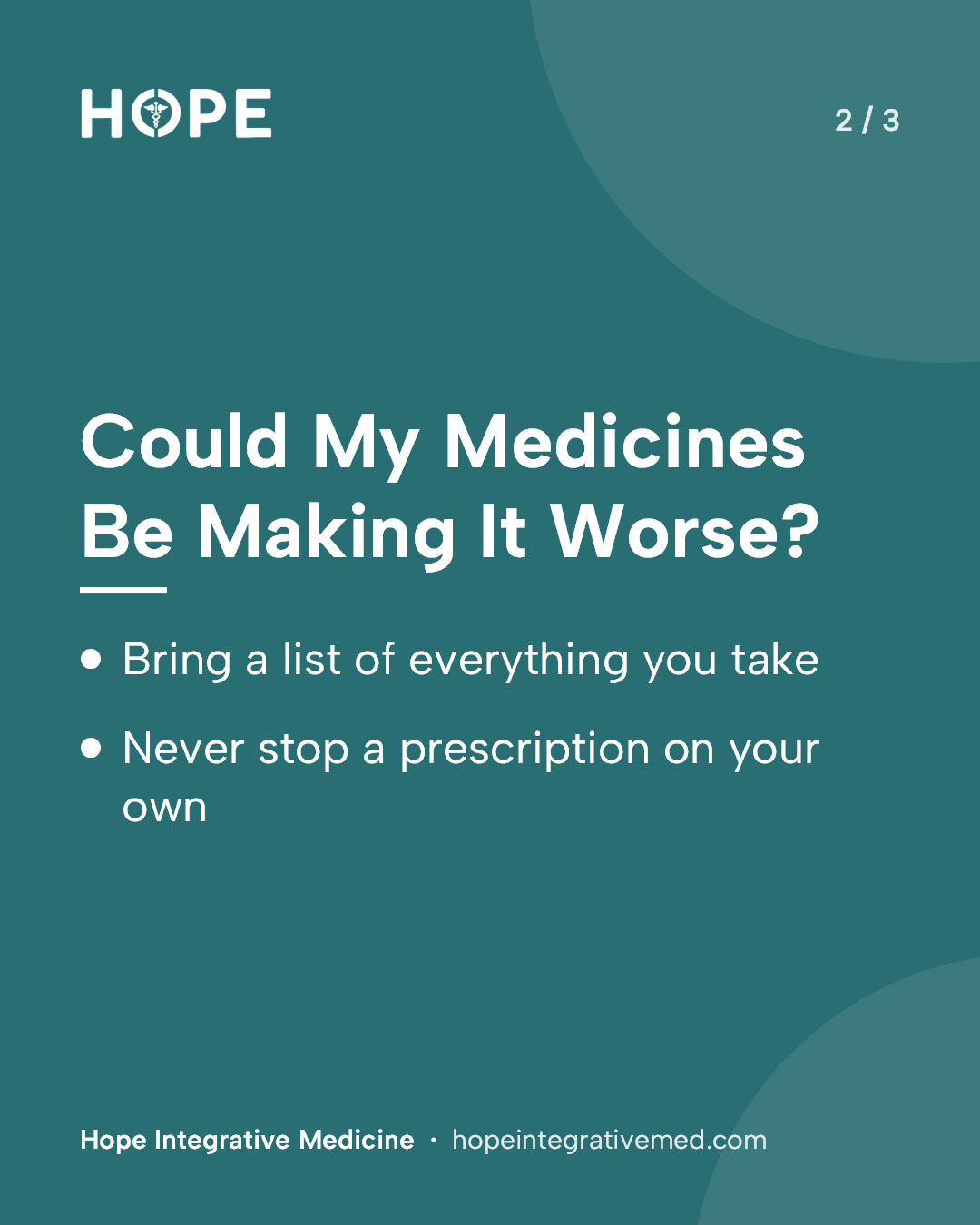
NIDDK lists overweight and obesity, pregnancy, smoking or breathing secondhand smoke, and a hiatal hernia, when the top of the stomach pushes up into the chest. Some medicines can cause GERD or make it worse, including benzodiazepines (sedatives), calcium channel blockers for blood pressure, some asthma medicines, NSAID pain relievers and tricyclic antidepressants. Never stop a prescribed medicine on your own; ask your provider first.
When to get checked
See a provider if you have GERD symptoms, if heartburn does not get better with over-the-counter medicines or lifestyle changes, or if you have:
- Trouble swallowing or pain when swallowing
- Vomiting that will not stop
- Vomit with blood in it or that looks like coffee grounds
- Stools with blood in them or that are black and tarry
- Weight loss you cannot explain, or loss of appetite
- Chest pain
Chest pain can come from the heart, not heartburn. If you think you may be having a heart attack, call 911.
How GERD is diagnosed
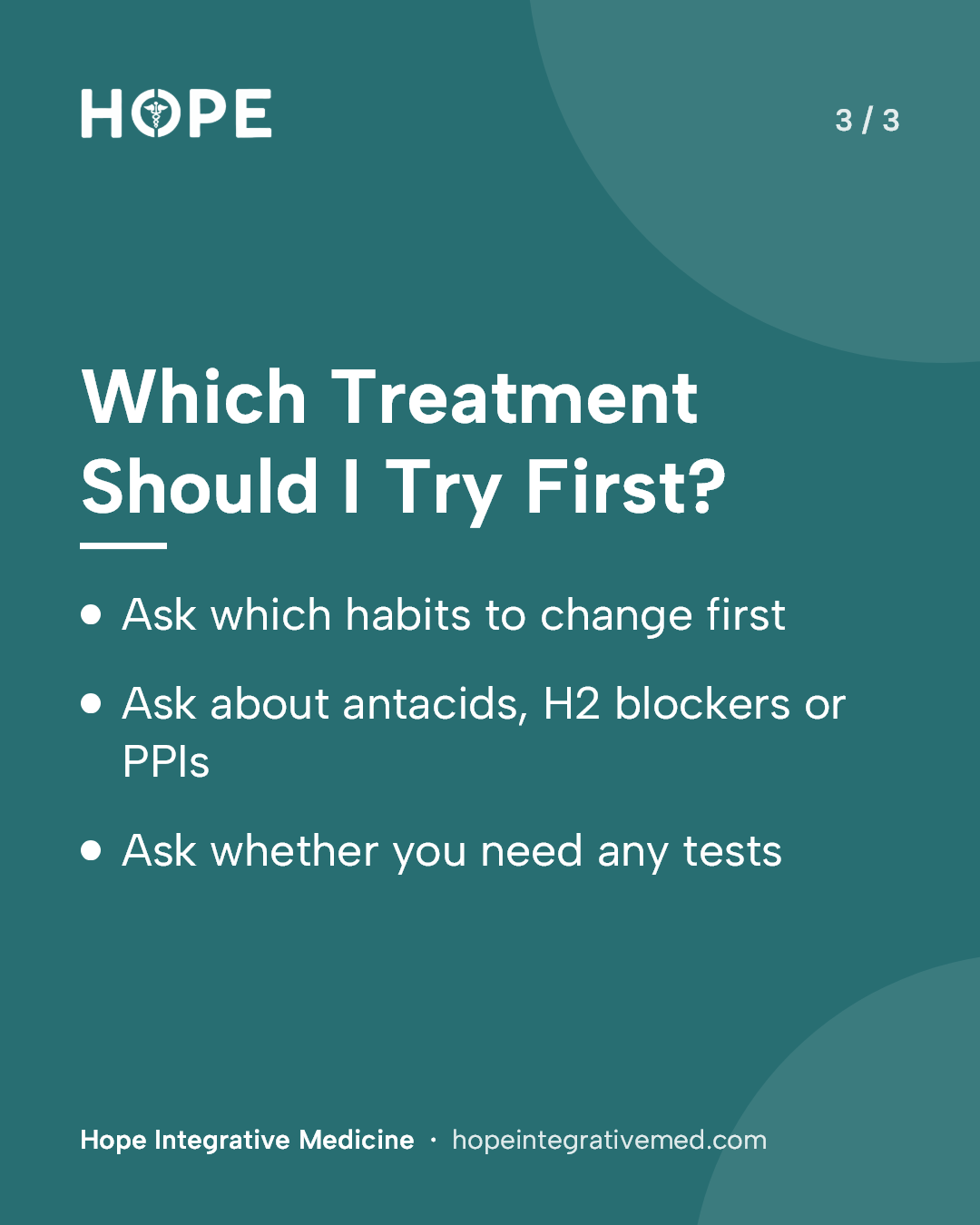
A provider usually diagnoses GERD from your symptoms and medical history and may suggest lifestyle changes and medicine before any tests. Tests are used if your symptoms suggest a complication or another health problem, or do not improve with treatment. They include an upper GI endoscopy, a thin, flexible tube with a camera that looks at your esophagus and stomach, and esophageal pH monitoring, which measures acid in the esophagus. You may be referred to a gastroenterologist, a digestive disease specialist.
What helps: everyday habits
- Time your meals. Eat 2 to 3 hours before you lie down, including at the Thanksgiving table or an oyster roast. If symptoms bother you at night, NIDDK suggests eating at least 3 hours before bed.
- Raise your head. Use a foam wedge or extra pillows so your head sits about 6 to 8 inches higher when you sleep.
- Know your triggers. Some people find that citrus fruits, tomatoes, alcohol, chocolate, coffee and other caffeine, high-fat foods, mint or spicy foods make symptoms worse.
- Lose weight if needed. If you are overweight or have obesity, losing weight may ease symptoms.
- Quit smoking.
Ready to Get Started?
Primary care, mental health, and addiction medicine in one practice. New patients are often able to be scheduled within a week of requesting an appointment.
5 cards. Swipe or tap to see the next one.
What helps: medicines and other treatment
- Antacids ease mild heartburn. Do not use them every day or for severe symptoms without talking with your provider.
- H2 blockers, such as famotidine (Pepcid), lower stomach acid. They come over the counter or by prescription.
- Proton pump inhibitors (PPIs), such as omeprazole (Prilosec), lower stomach acid more than H2 blockers and can heal the lining of the esophagus in most people with GERD. Side effects are uncommon. If you take one long term, talk with your provider about the risks and benefits, covered in our post on taking Nexium, Prilosec or Protonix every day.
If lifestyle changes and medicines do not help, surgery is an option for some people, most often fundoplication, which wraps the top of the stomach around the lower esophageal sphincter.
Why it is worth treating
Without treatment, GERD can sometimes cause problems such as inflammation of the esophagus (esophagitis), a narrowed esophagus that makes swallowing hard, or Barrett's esophagus, a change in the lining of the esophagus, so get checked when symptoms keep coming back.
A question to bring to your next visit
"Is my heartburn GERD, and could any of my medicines be making it worse?"
Heartburn care at Hope Integrative Medicine
Our primary care team in West Ashley can review your symptoms and medicines, build a plan with you and refer you for tests when they are needed. If weight is part of the picture, nutrition and weight-loss counseling with Jessica Ace, FNP-C, combines in-person weigh-ins with virtual check-ins. New patients are often able to be scheduled within a week of requesting an appointment. Request an appointment.
Sources: National Institute of Diabetes and Digestive and Kidney Diseases, Acid Reflux (GER & GERD) in Adults (2020); NIDDK, Definition & Facts for GER & GERD; NIDDK, Symptoms & Causes of GER & GERD; NIDDK, Diagnosis of GER & GERD; NIDDK, Treatment for GER & GERD; NIDDK, Eating, Diet, & Nutrition for GER & GERD; MedlinePlus, Famotidine; MedlinePlus, Omeprazole; NHLBI, Heart Attack: Symptoms.
This article is general information, not medical advice, and does not create a patient–provider relationship. Every situation is different, so see a provider who can evaluate yours and develop a plan of care. Any medication discussed here may not be right for you: the right choice depends on your diagnoses, other health conditions and current medicines, so take medication only as directed by the provider managing your care. If you are ever in doubt about an emergency, call 911 or go to the nearest emergency room.
Frequently Asked Questions
The most common symptoms are heartburn, a burning feeling behind the breastbone, and regurgitation, when stomach contents come back up into the throat or mouth. GERD can also cause chest pain, nausea, trouble swallowing, a lasting cough or hoarseness.
Acid reflux (GER) is stomach contents coming back up into the esophagus, and many people have it now and then. GERD is a more serious, long-lasting form that causes repeated, bothersome symptoms or leads to problems over time.
NIDDK suggests eating meals 2 to 3 hours before you lie down. If your symptoms happen at night, eating at least 3 hours before bed may help.
See a provider if heartburn does not get better with over-the-counter medicines or lifestyle changes, or if you have trouble swallowing, vomiting that will not stop, signs of bleeding, weight loss you cannot explain or chest pain. If you think you may be having a heart attack, call 911.
Some people find that citrus fruits, tomatoes, alcohol, chocolate, coffee and other caffeine, high-fat foods, mint or spicy foods trigger or worsen symptoms. Your provider can help you sort out your own triggers.