Suboxone Treatment in Columbia, SC
Treatment typically begins with an in-person assessment at our West Ashley office in Charleston and continues with hybrid in-person and virtual visits.
Hope Integrative Medicine offers medication for opioid use disorder (MOUD), also called medication-assisted treatment (MAT), including Suboxone (buprenorphine and naloxone) for adults in Columbia and across Richland County.
How Opioid Treatment Works
Hope offers buprenorphine (Suboxone, Sublocade or Brixadi) and naltrexone (Vivitrol) through a hybrid model combining in-person and virtual care, with local labs for urine drug screens and periodic vitals checks close to home, tailored to each patient's clinical needs and care preferences. At a stable prescribed dose, buprenorphine does not cause a high, and its overdose risk is much lower than illicit opioids. It can still be dangerous with alcohol, benzodiazepines or other sedatives, and it must be locked away from children. Vivitrol (naltrexone) requires being opioid-free for 7 to 10 days and is given as an in-person monthly injection; follow-up visits can be by telehealth. Using opioids on top of Vivitrol, or after a missed or stopped dose, can cause a fatal overdose because your tolerance is lower. Keep naloxone on hand: if someone may have overdosed, call 911 and give naloxone. Stay with the person, and give a second dose after 2 to 3 minutes if they do not respond, because naloxone can wear off before the opioid does. Read our full guide to opioid use disorder treatment in South Carolina.
Opioid Use Disorder Treatment in Columbia — Who It Affects
Columbia and the Midlands corridor carry significant opioid use disorder burden, compounded by the region's large veteran population at Fort Jackson and the rural fringe communities of Richland and Lexington counties. Many Columbia-area residents with OUD have historically traveled hours for MAT providers, facing wait times that hybrid in-person and virtual care from a SC-licensed prescriber helps reduce.
Health and Care in Columbia
Fort Jackson, the Army's main basic training center, trains about half of all new Army soldiers, more than 45,000 a year. (Source: home.army.mil)
The University of South Carolina enrolled more than 40,000 students in Columbia in fall 2025, alongside several other colleges in the city. (Source: sc.edu)
Richland County recorded about 27.5 drug overdose deaths per 100,000 residents a year from 2020 to 2022, compared with 39.2 across South Carolina.
An estimated 19.2 percent of adults in Columbia report frequent mental distress, meaning 14 or more days of poor mental health in the past month, compared with 16.6 percent across Richland County.
Because visits are by video, home internet matters: an estimated 14.5 percent of households in Columbia have no broadband internet subscription.
An estimated 13.5 percent of adults in Columbia report a lack of reliable transportation in the past year, compared with 9.9 percent across Richland County.
An estimated 24.9 percent of adults in Columbia report a lack of social and emotional support, compared with 25.4 percent across Richland County.
Sources: National Center for Health Statistics mortality data, 2020 to 2022, via County Health Rankings & Roadmaps, 2025; CDC PLACES, 2025 release (model-based estimates from 2022 and 2023 Behavioral Risk Factor Surveillance System data); U.S. Census Bureau American Community Survey, 2017 to 2021, via CDC.
Did You Know? Life in Columbia
The 50-mile Congaree River Blue Trail runs by paddle from Columbia downstream to Congaree National Park. (Source: nps.gov)
Riverbanks Zoo and Garden welcomes more than one million guests a year and is home to more than 3,000 animals. (Source: riverbanks.org)
The General Assembly created Columbia in 1786 as a central state capital, laid out as a two-mile square. (Source: wistv.com)
Not in Columbia?
Opioid and kratom MAT is offered through a hybrid model combining in-person and virtual care, tailored to each patient's clinical needs and care preferences, with local labs for urine drug screens and periodic vitals checks close to home, which helps us reach patients in rural South Carolina where access to care is limited. See all the South Carolina cities we serve
Opioid Treatment Questions from Columbia
An estimated 13.2 percent of adults aged 18 to 64 in Columbia have no health insurance, compared with 11.1 percent across Richland County.
An estimated 13 percent of adults in Columbia currently smoke cigarettes, compared with 11.2 percent across Richland County.
Insurance We Accept
Commercial, ACA & Medicare
- Aetna
- Blue Cross Blue Shield
- Cigna
- United Healthcare
- Curative
- Centene (Ambetter / Wellcare)
- Humana
- Molina
- Medicare
South Carolina Medicaid
We accept all SC Medicaid managed care plans except Select Health (First Choice).
- Absolute Total Care (Centene)
- BlueChoice HealthPlan (Healthy Blue)
- Humana Healthy Horizons in SC
- Molina Healthcare of SC
- WellCare of SC
- Meridian Health Plan of SC
Self-pay rates are also available.
Licensed in South Carolina
All Hope Integrative Medicine providers are licensed in South Carolina and authorized to treat patients statewide via telehealth.
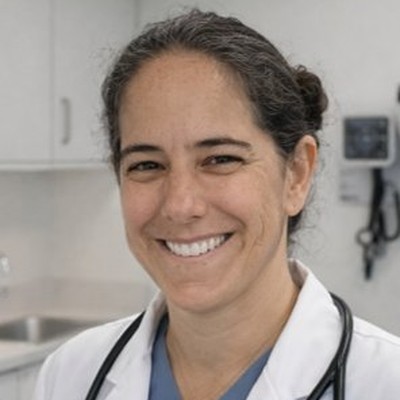
Suzanne Echemendia-Wirth, MD
Medical Director
Jessica Ace, MSN, FNP-C, CEN
Family Nurse Practitioner
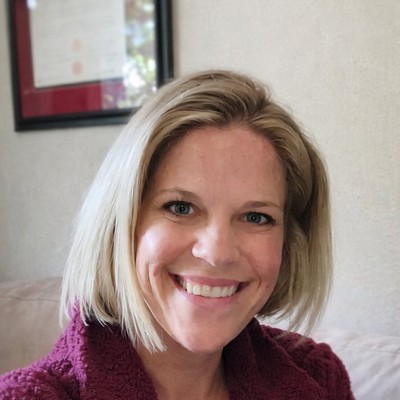
Andrea Rizzetto, MSN, APRN, AGACNP-BC
Nurse Practitioner
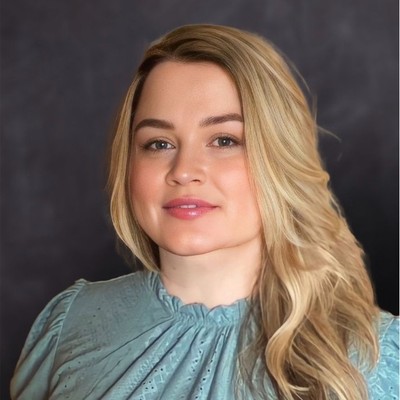
Rhonda Witt, MSN, APRN, PMHNP-BC
Psychiatric Mental Health Nurse Practitioner
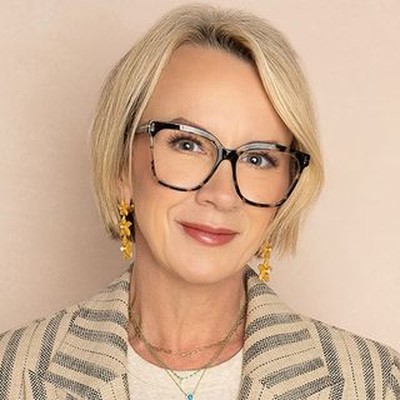
Ashley Royer, DNP, PMHNP-BC, CCRN
Psychiatric-Mental Health Nurse Practitioner
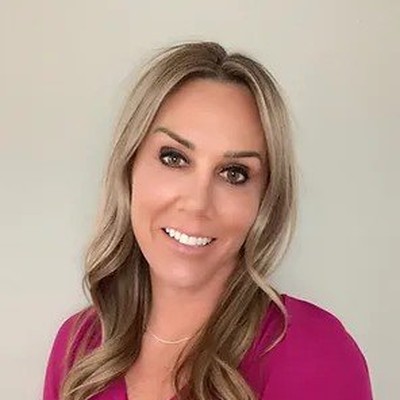
Kassi Goodman, PhD, LAC, LPC, ICADC, NBCFCH
Licensed Counselor & Addiction Specialist