What Happens at a Blood Pressure Screening
Based on U.S. Preventive Services Task Force, Hypertension in Adults: Screening (Grade A, 2021)
Who the U.S. Preventive Services Task Force says should have blood pressure screening, how often to be checked at different ages and risk levels, and how a high reading is confirmed.
Looking for a Primary Care Provider?
Checkups, preventive care and ongoing care for chronic conditions in West Ashley, Charleston. New patients are often able to be scheduled within a week of requesting an appointment. Schedule an appointment today.
In this guide
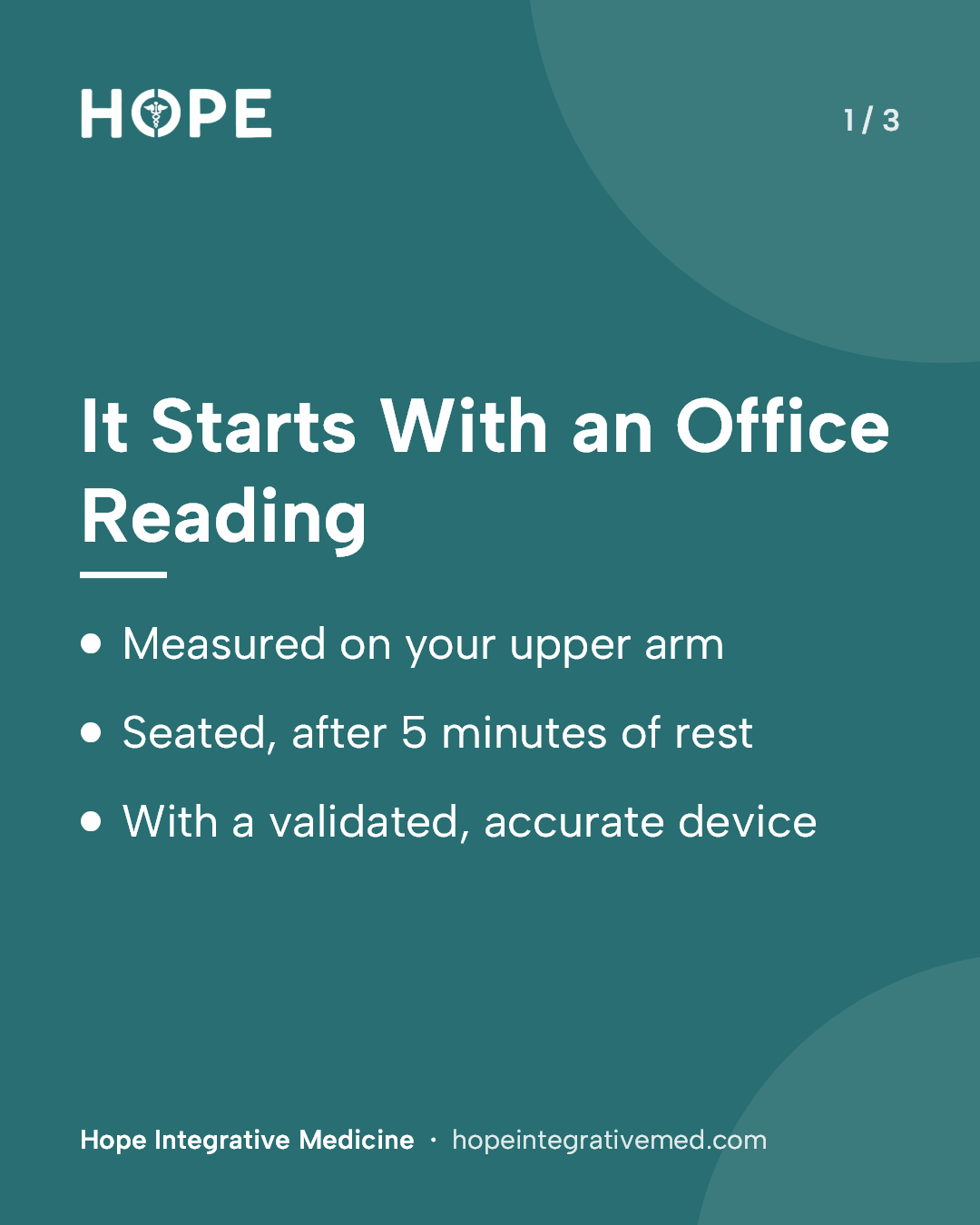
It Starts With an Office Reading
- Measured on your upper arm
- Seated, after 5 minutes of rest
- With a validated, accurate device
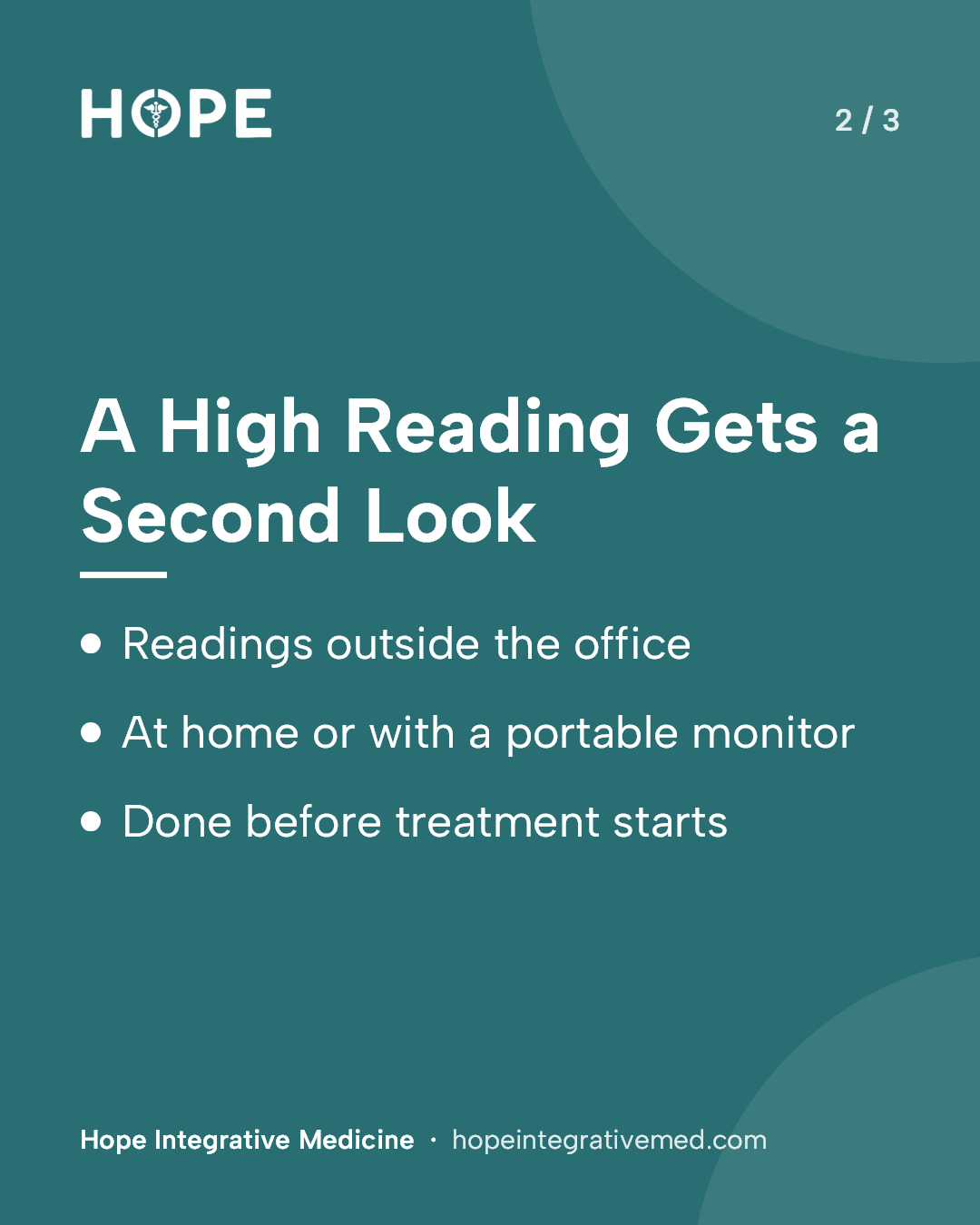
A High Reading Gets a Second Look
- Readings outside the office
- At home or with a portable monitor
- Done before treatment starts
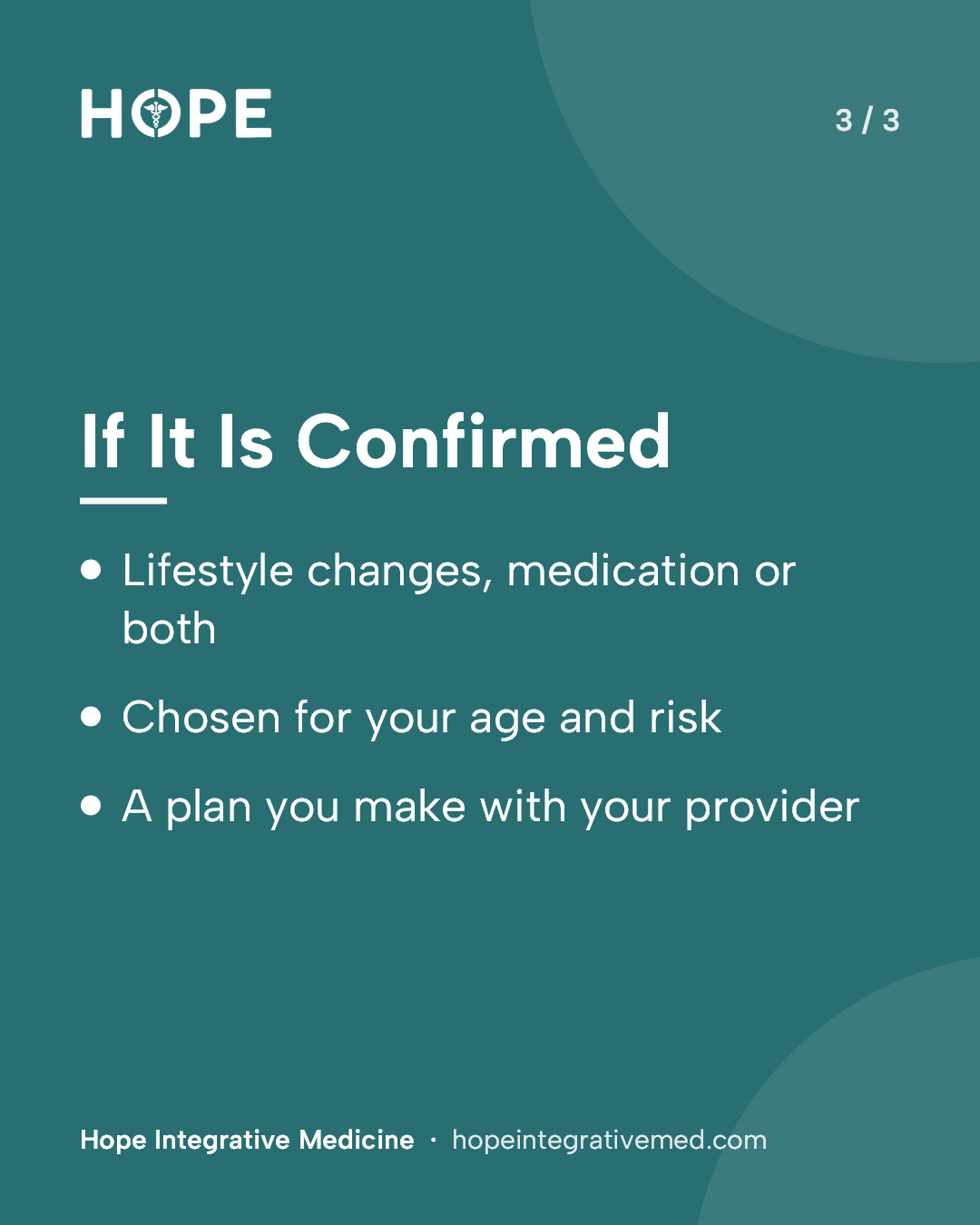
If It Is Confirmed
- Lifestyle changes, medication or both
- Chosen for your age and risk
- A plan you make with your provider
What the guideline says
- The USPSTF recommends screening for high blood pressure in adults 18 or older without known high blood pressure, a Grade A recommendation.
- Screening starts with a blood pressure measurement in the office.
- Yearly screening is suggested for adults 40 or older and for adults at increased risk.
- Screening every 3 to 5 years is appropriate for adults 18 to 39 who are not at increased risk and had a prior normal reading.
- A high office reading should be confirmed with measurements taken outside the office before treatment starts.
Source: U.S. Preventive Services Task Force, Hypertension in Adults: Screening (Grade A, 2021)
Read the full article: Blood Pressure Screening: Who Should Be Checked and How Often →
This guide is general health information and does not replace advice from your own provider.
Frequently Asked Questions
The USPSTF says measurements should be taken on the upper arm with a validated and accurate device, while you are seated, after 5 minutes of rest.
It depends on the organization. The USPSTF notes that thresholds range from 130/80 mm Hg or greater to 140/90 mm Hg or greater, and it describes high blood pressure as repeatedly high readings over time and in different settings.
Not always. The USPSTF says treatment can include lifestyle changes, medication or both, and the choice can depend on how high your blood pressure is, your age and other risk factors.