3 Questions to Bring to Your Next Diabetes Visit
Based on American Diabetes Association, Standards of Care in Diabetes 2026, Section 9


Why the 2026 diabetes standards start medication at diagnosis alongside nutrition and activity, how medicines are chosen for your whole health, and when to review the plan.
Looking for a Primary Care Provider?
Checkups, preventive care and ongoing care for chronic conditions in West Ashley, Charleston. New patients are often able to be scheduled within a week of requesting an appointment. Schedule an appointment today.
In this guide
How Does My Plan Combine Habits and Medicine?
- Ask how meals and activity work with your medicine
- Ask whether a dietitian should be on your team
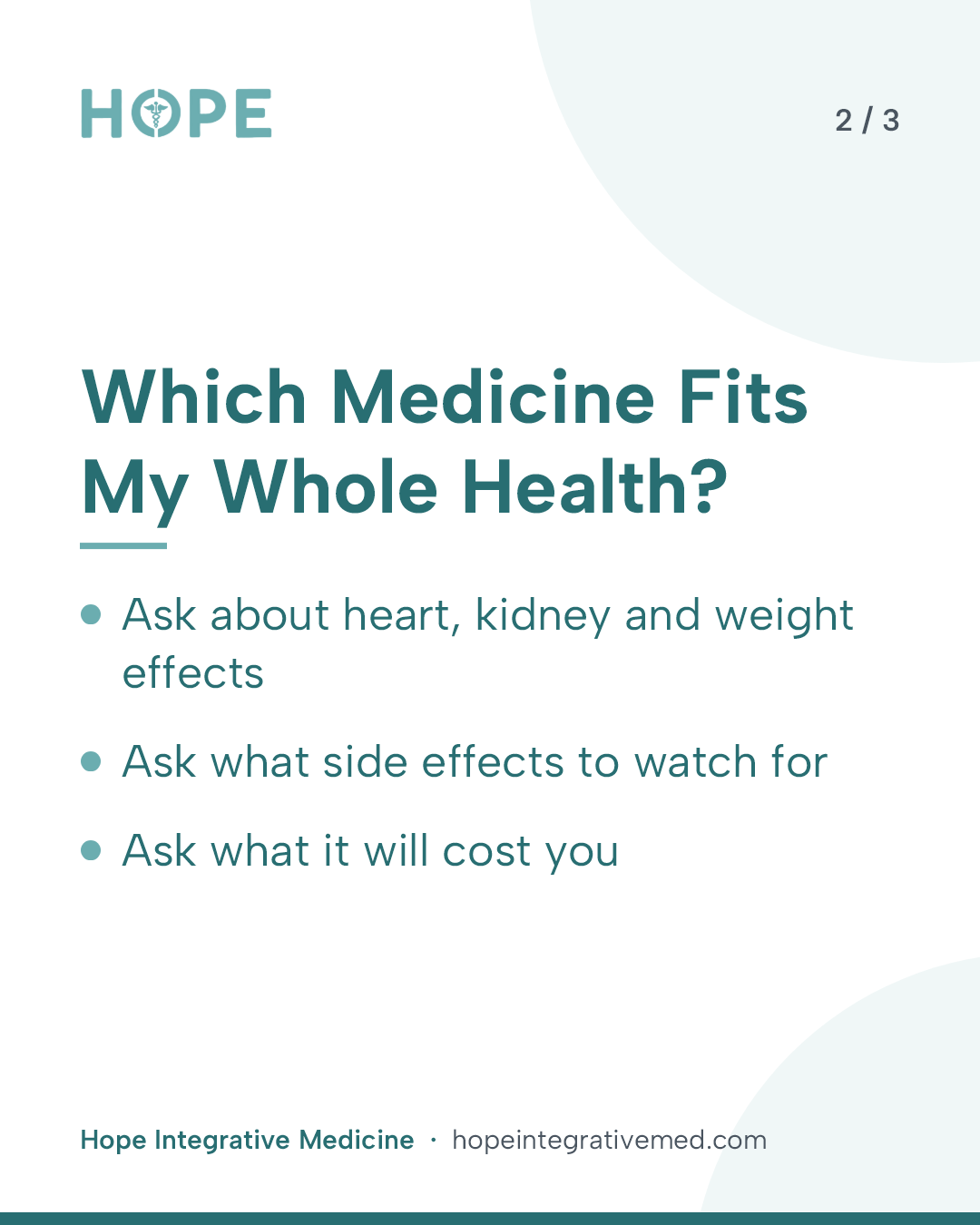
Which Medicine Fits My Whole Health?
- Ask about heart, kidney and weight effects
- Ask what side effects to watch for
- Ask what it will cost you
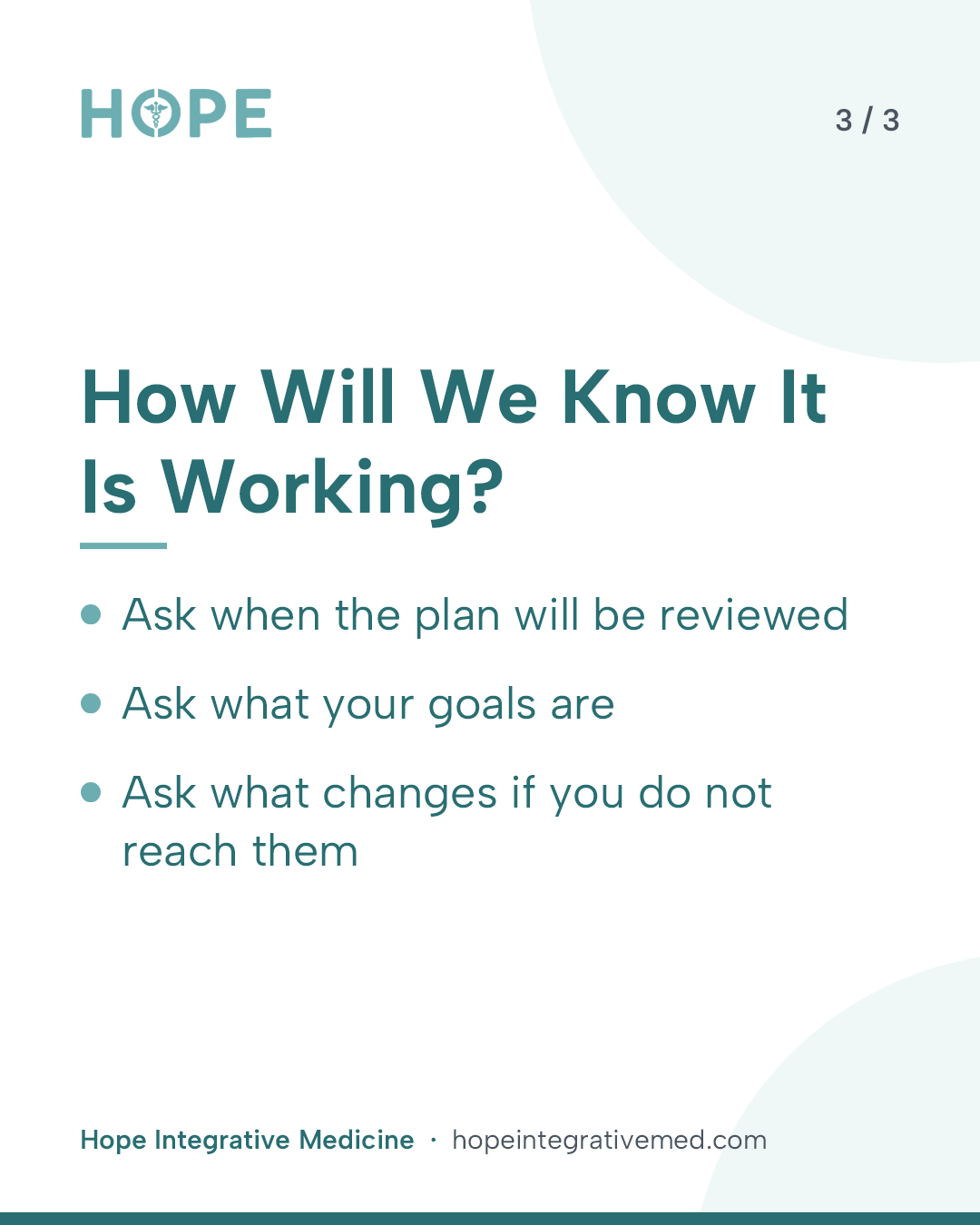
How Will We Know It Is Working?
- Ask when the plan will be reviewed
- Ask what your goals are
- Ask what changes if you do not reach them
What the guideline says
- Medication should start when type 2 diabetes is diagnosed, without delay.
- Healthy eating, activity and weight management are emphasized alongside any medication.
- Metformin is effective, safe, inexpensive and widely available.
- People with heart disease, heart failure or kidney disease should be offered medicines with proven benefits for those conditions.
- The medication plan should be reviewed at regular intervals, such as every 3 to 6 months, and changed without delay when goals are not met.
Source: American Diabetes Association, Standards of Care in Diabetes 2026, Section 9
Read the full article: Type 2 Diabetes: What Current Guidelines Recommend →
This guide is general health information and does not replace advice from your own provider.
Frequently Asked Questions
You and your provider decide together. The 2026 Standards say a person-centered, shared decision-making approach should guide the choice of glucose-lowering medicines.
For people with heart disease, heart failure or kidney disease, the 2026 Standards recommend medicines with proven benefits for those conditions, such as SGLT2 inhibitors and GLP-1 based medicines. Your provider can tell you whether one fits you.
The 2026 Standards describe metformin as inexpensive and widely available. What you pay depends on your plan, so ask about cost when choosing any medicine.