3 Questions to Ask About Drug Use Screening
Based on U.S. Preventive Services Task Force, Unhealthy Drug Use: Screening (2020)
5 cards. Swipe or tap to see the next one.
What the U.S. Preventive Services Task Force recommends about drug use screening in primary care, what the questions cover, and what can happen after a positive screen.
Ready to Talk About Medication-Assisted Treatment?
Our West Ashley team offers confidential medication-assisted treatment (MAT) for opioid and alcohol use disorders, through hybrid in-person and virtual care. Treatment typically begins with an in-person assessment in West Ashley, followed by weekly in-person or virtual visits before moving to a monthly schedule. Each plan is tailored to the patient and their situation. Schedule an appointment today.
In this guide
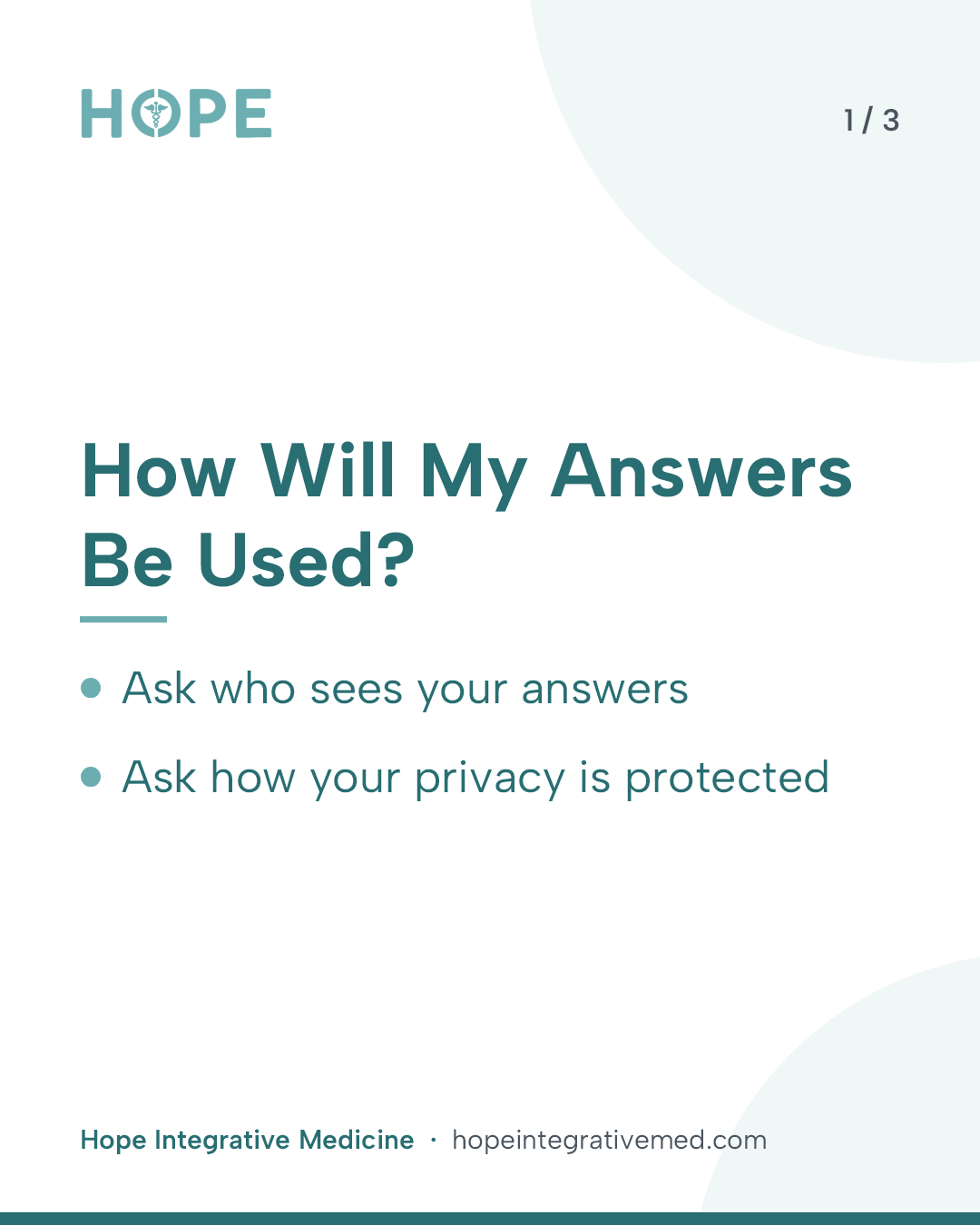
How Will My Answers Be Used?
- Ask who sees your answers
- Ask how your privacy is protected
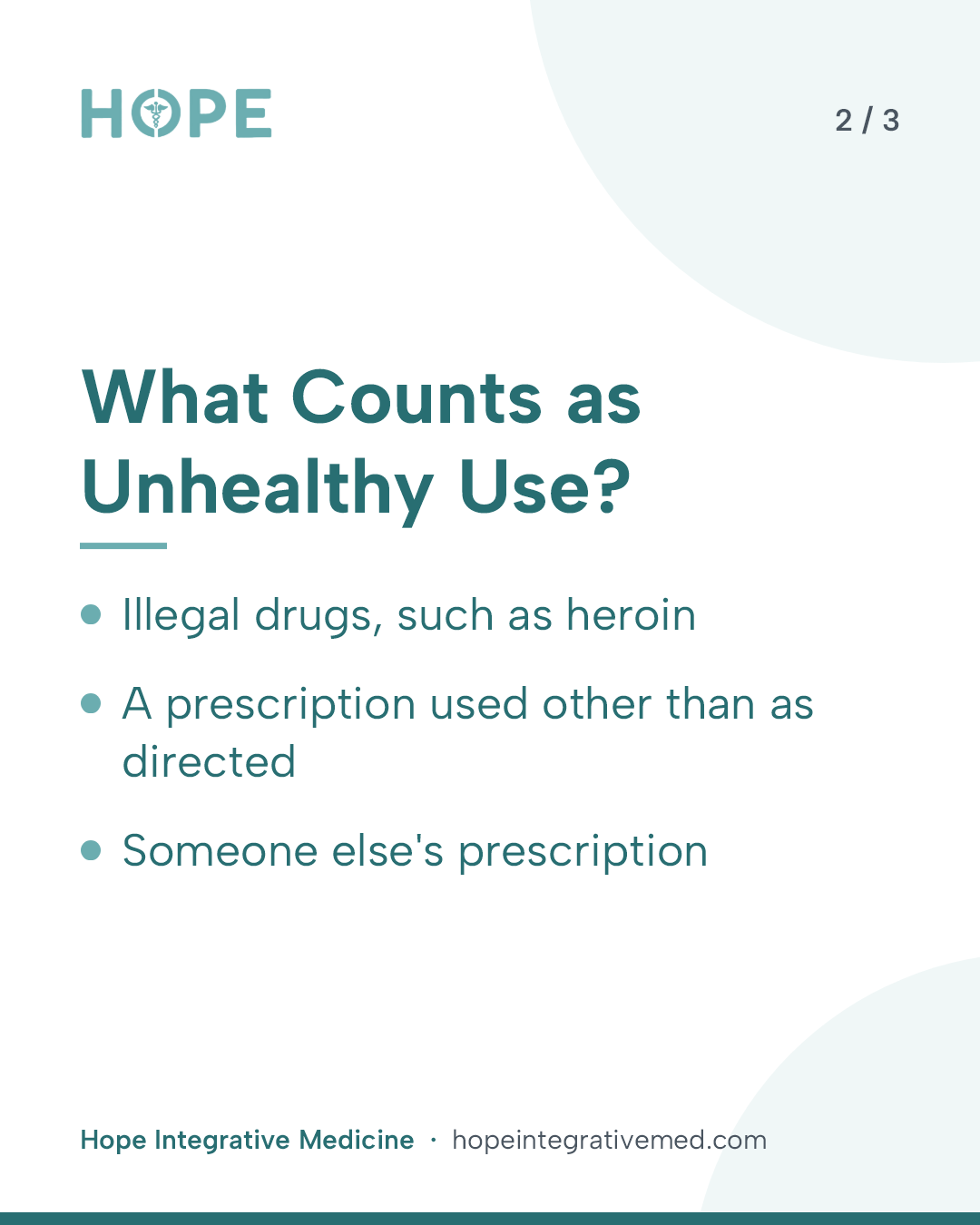
What Counts as Unhealthy Use?
- Illegal drugs, such as heroin
- A prescription used other than as directed
- Someone else's prescription
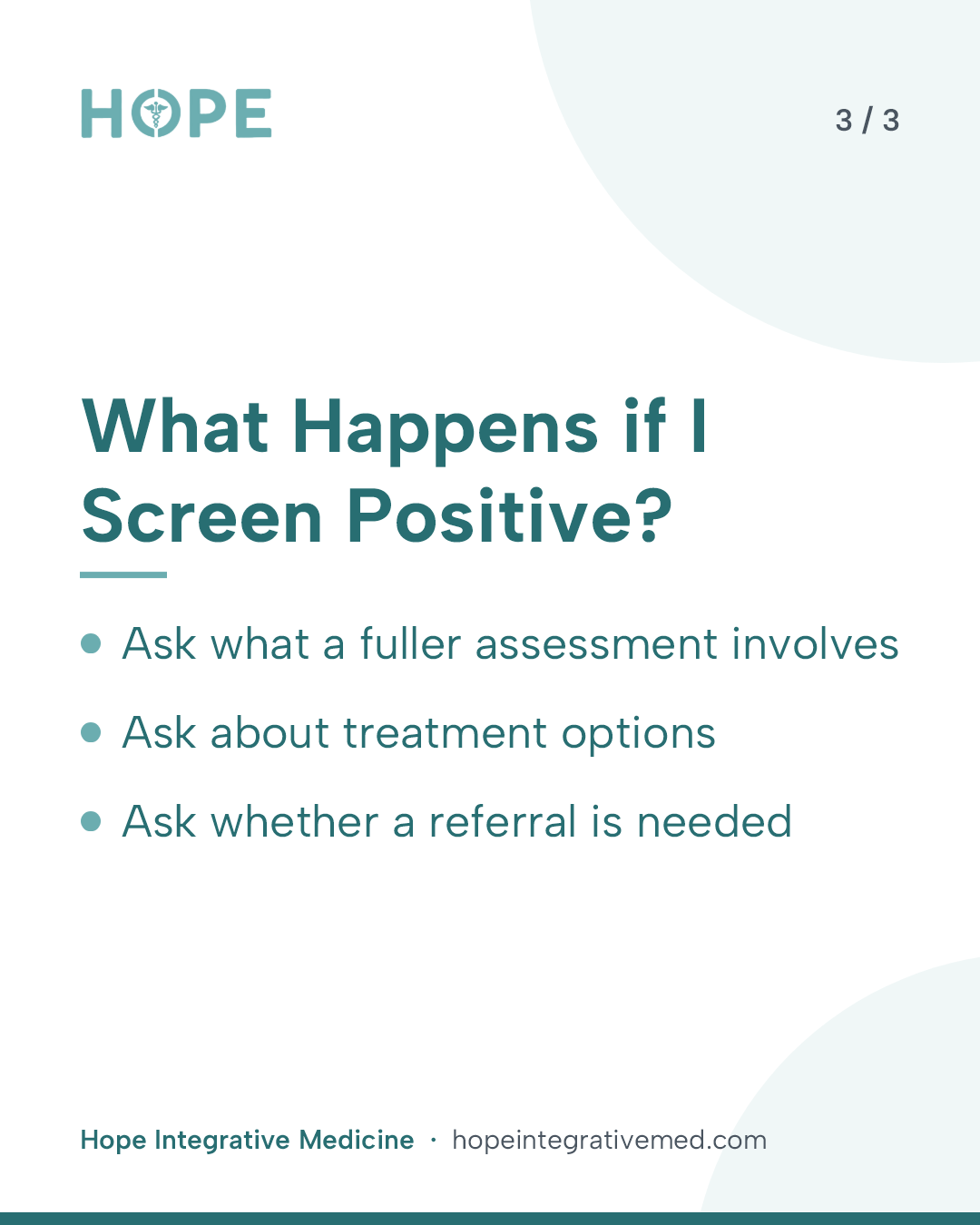
What Happens if I Screen Positive?
- Ask what a fuller assessment involves
- Ask about treatment options
- Ask whether a referral is needed
What the guideline says
- The USPSTF recommends screening by asking questions about unhealthy drug use in adults 18 and older, including pregnant and postpartum persons (grade B).
- Screening means asking questions; it does not refer to testing urine, saliva, blood or other samples for drugs.
- Unhealthy drug use includes using illegal drugs and using a prescription drug in ways that are not recommended by a doctor.
- Screening tools are not meant to diagnose; a positive screen may lead to a diagnostic assessment.
- Screening should happen when accurate diagnosis, effective treatment and appropriate care can be offered or referred.
Source: U.S. Preventive Services Task Force, Unhealthy Drug Use: Screening (2020)
Read the full article: Screening for Unhealthy Drug Use: What Your Primary Care Visit May Ask →
This guide is general health information and does not replace advice from your own provider.
Frequently Asked Questions
The USPSTF says providers should be aware of state requirements and best practices on informed consent for screening, reporting of screening results and confidentiality protections. Ask your provider how your answers are recorded and who can see them.
Yes. The USPSTF includes using a prescription drug in ways that are not recommended by a doctor: for other reasons, for longer, in larger amounts or more often than prescribed, or using medication prescribed for someone else.
The USPSTF says medication, often provided with individual or group counseling, is the standard treatment for opioid use disorder in adults, including pregnant and postpartum persons. The medicines it names are buprenorphine, methadone and naltrexone.