Stimulant Side Effects: Simple Fixes and Warning Signs
Based on MedlinePlus, Lisdexamfetamine
Practical ways to manage lower appetite, poor sleep, blood pressure changes and afternoon irritability on long-acting ADHD stimulants, and when to call.
Looking for a Primary Care Provider?
Checkups, preventive care and ongoing care for chronic conditions in West Ashley, Charleston. New patients are often able to be scheduled within a week of requesting an appointment. Schedule an appointment today.
In this guide
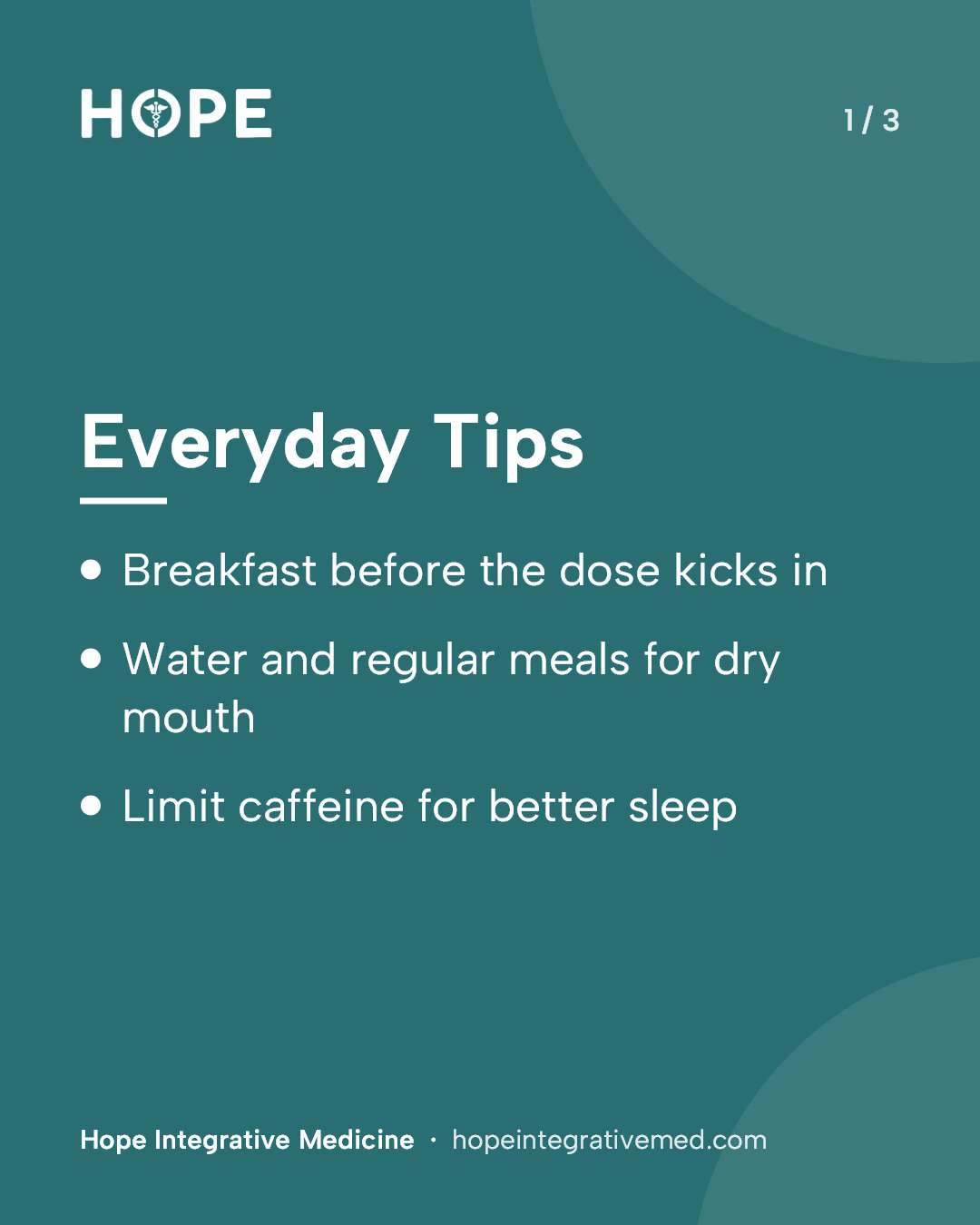
Everyday Tips
- Breakfast before the dose kicks in
- Water and regular meals for dry mouth
- Limit caffeine for better sleep
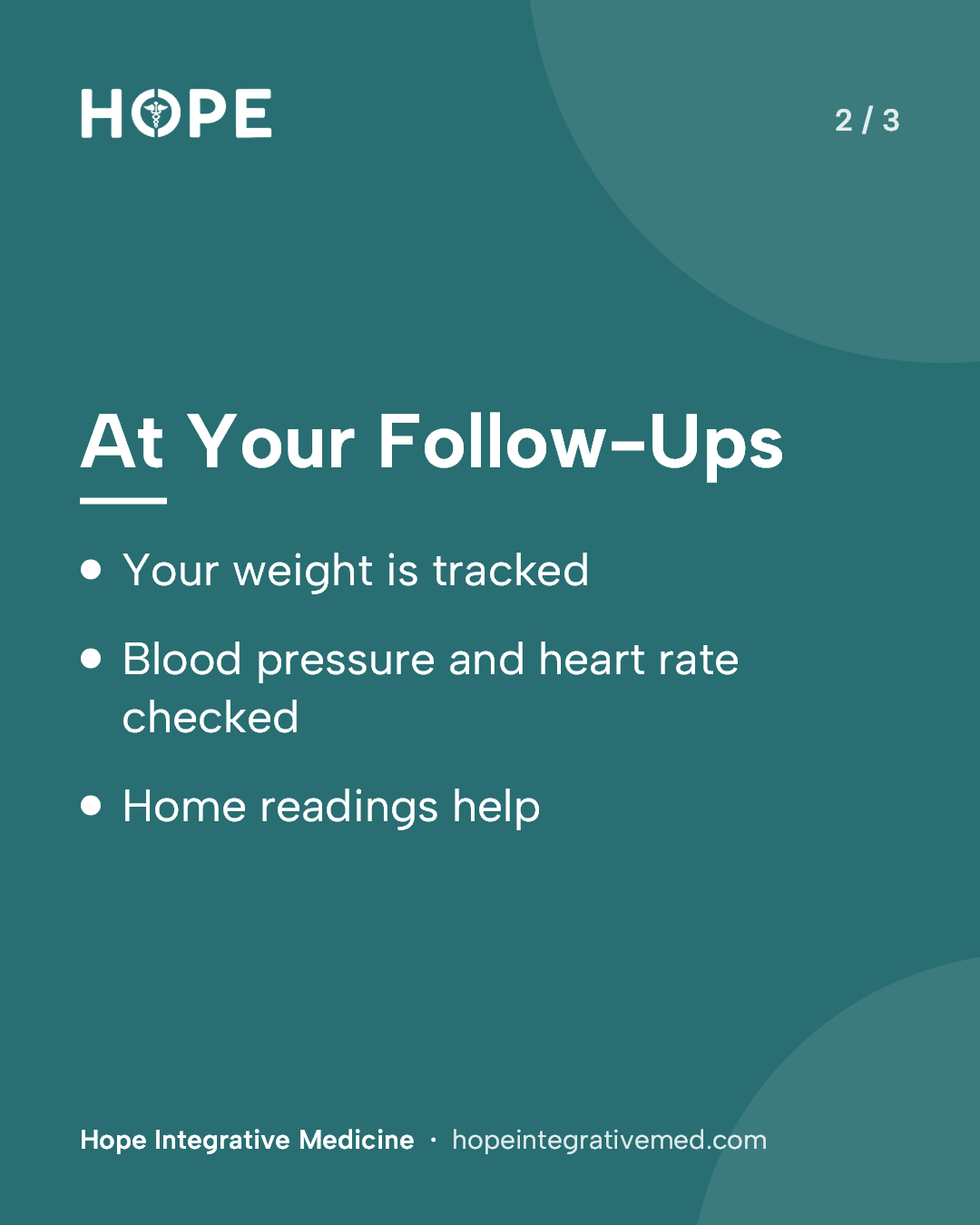
At Your Follow-Ups
- Your weight is tracked
- Blood pressure and heart rate checked
- Home readings help
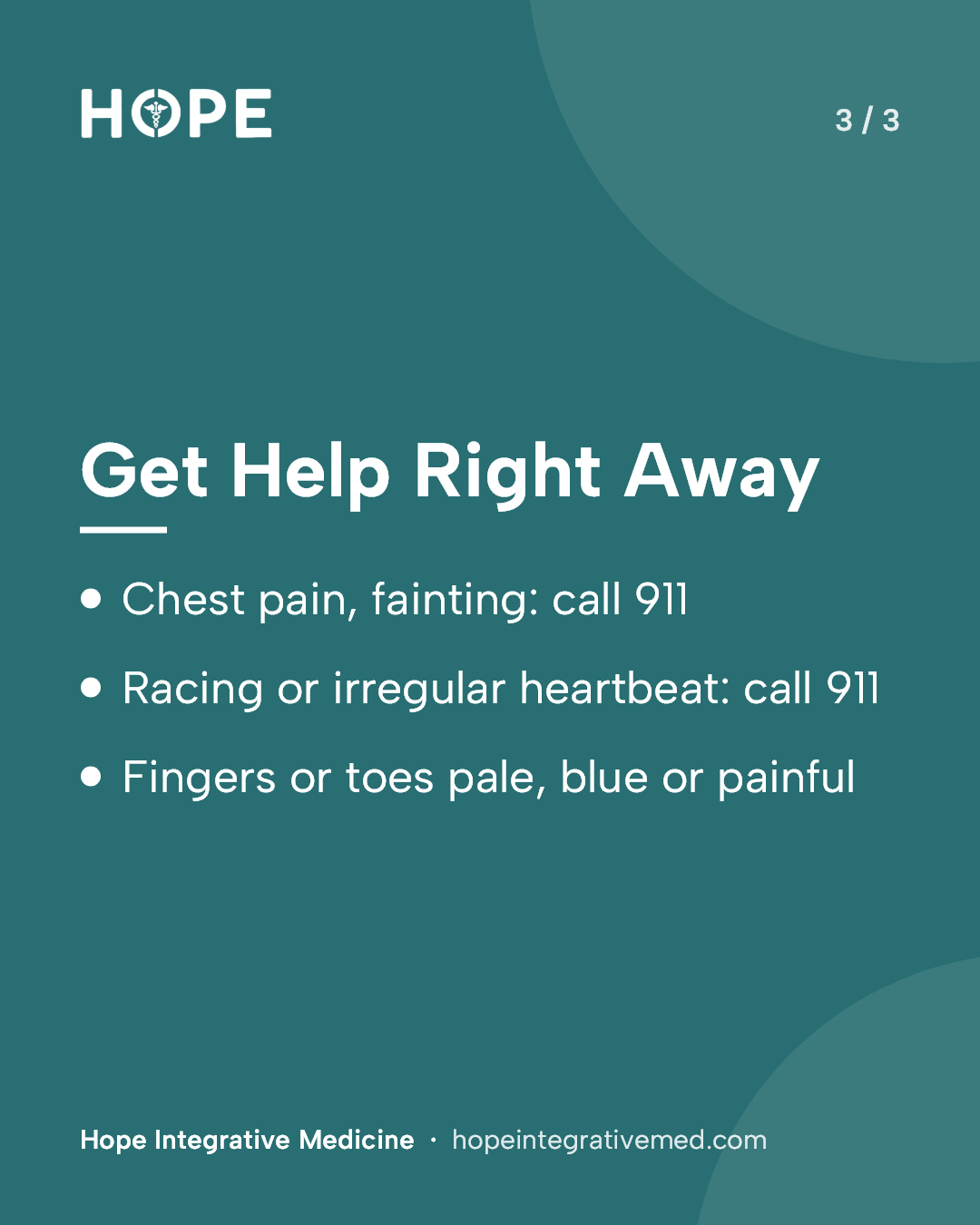
Get Help Right Away
- Chest pain, fainting: call 911
- Racing or irregular heartbeat: call 911
- Fingers or toes pale, blue or painful
What the guideline says
- Side effects of long-acting stimulants such as Vyvanse, Adderall XR and Concerta are common in the first weeks and usually manageable with simple changes.
- For lower appetite, eat a solid breakfast before the dose takes effect, keep protein-rich snacks on hand and eat a larger evening meal as the medicine wears off.
- For trouble sleeping, take the dose as early in the morning as possible, limit caffeine and keep a consistent bedtime.
- Stimulants can raise blood pressure and heart rate a few points, so both are checked before starting and at follow-ups.
- Call 911 for chest pain, fainting or a racing or irregular heartbeat.
- Call your provider right away for new or worsening paranoia, hallucinations or agitation, or fingers or toes that turn pale, blue or painful.
Source: MedlinePlus, Lisdexamfetamine
Read the full article: Managing Stimulant Side Effects: Appetite, Sleep, Blood Pressure and More →
This guide is general health information and does not replace advice from your own provider.
Frequently Asked Questions
Call 911 for chest pain, fainting or a racing or irregular heartbeat.
New or worsening paranoia, hallucinations or agitation, and fingers or toes that turn pale, blue or painful.
Talk with your prescriber before making any change. Side effects are usually manageable with simple changes, and a dose change or a different long-acting medicine often helps.