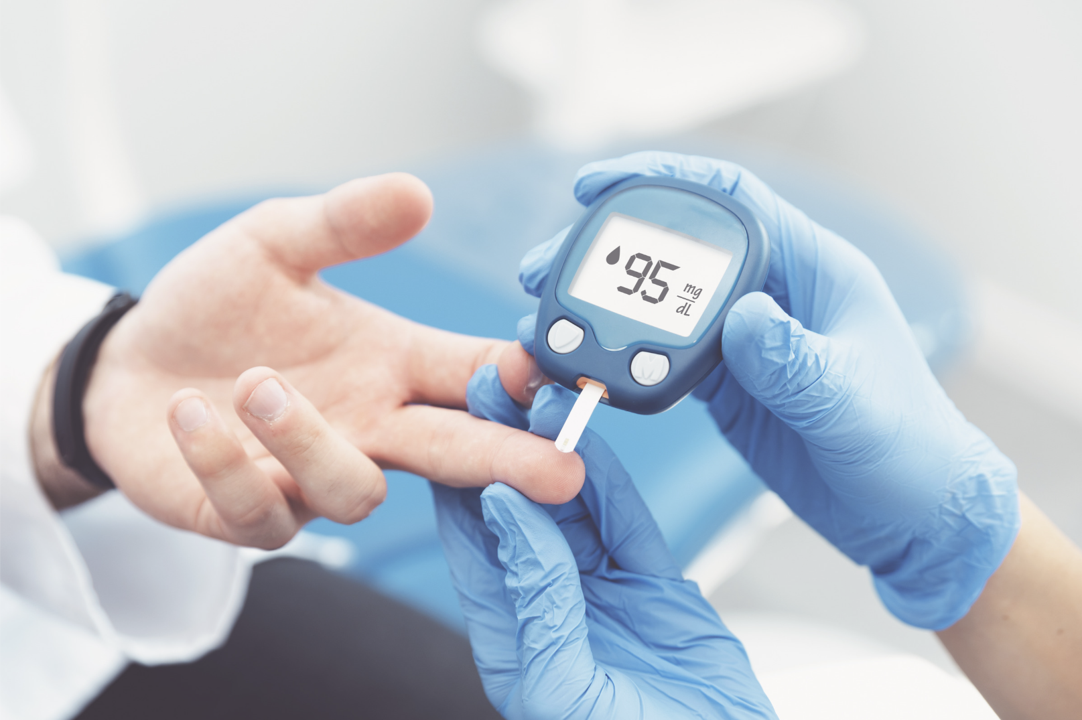
Receiving a diagnosis of type 2 diabetes can feel overwhelming, but it's also an opportunity—a chance to take proactive steps that can significantly enhance your quality of life. Early diabetes management not only helps maintain your current health but also prevents potential complications down the road. For patients in Charleston, SC and West Ashley, taking control of your diabetes early can be life-changing.
The Science Behind Early Diabetes Intervention
The importance of early diabetes treatment cannot be overstated. Research from major diabetes studies demonstrates that prompt intervention after diagnosis creates lasting benefits that extend far beyond the initial treatment period. This phenomenon, known as "metabolic memory," means that good blood sugar control established early in your diabetes journey continues to protect you for years to come.
The Power of Early Action: Proven Results
Initiating diabetes management in Charleston SC promptly after diagnosis has profound, measurable benefits. Landmark research indicates that early intervention can lead to:
- 17% Reduction in Heart Attacks: Starting treatment with insulin or sulfonylurea tablets early significantly reduces cardiovascular events
- 26% Fewer Diabetes Complications: Early treatment dramatically reduces complications such as kidney failure and vision loss
- 10% Lower Mortality Rates: Early, aggressive management leads to improved survival rates
- 40% Reduction in Microvascular Disease: Effective blood sugar control reduces the risk of eye disease, kidney disease, and nerve disease
These statistics aren't just numbers—they represent real improvements in quality of life and longevity for people with diabetes.
Understanding Diabetes Complications: What's at Stake
Neglecting diabetes care can lead to serious, often irreversible health problems over time. Understanding these risks emphasizes why early intervention is so crucial:
Diabetic Neuropathy (Nerve Damage)
Diabetic neuropathy is one of the most common complications of poorly controlled diabetes. High blood sugar can injure nerves throughout your body, leading to:
- Numbness and tingling in hands and feet
- Burning or shooting pain
- Loss of sensation that can lead to unnoticed injuries
- Digestive issues and problems with bladder control
Diabetic Nephropathy (Kidney Damage)
The kidneys' delicate filtering system can be damaged by consistently high blood sugar levels, potentially leading to:
- Protein in the urine
- Reduced kidney function
- High blood pressure
- Eventually, kidney failure requiring dialysis or transplant
Diabetic Retinopathy (Eye Damage)
Diabetes can damage the blood vessels of the retina, the light-sensitive tissue at the back of the eye, potentially leading to:
- Blurred or fluctuating vision
- Dark spots or floaters
- Difficulty seeing at night
- Complete vision loss if untreated
Cardiovascular Disease
Type 2 diabetes significantly increases the risk of heart disease and stroke by:
- Accelerating atherosclerosis (hardening of arteries)
- Increasing blood pressure
- Raising cholesterol levels
- Promoting inflammation throughout the body
Your Comprehensive Diabetes Management Plan
Effective diabetes management involves multiple strategies working together. At Hope Integrative Medicine in Charleston, SC, we help patients develop comprehensive plans that include:
Blood Sugar Monitoring and Control
Regular blood glucose monitoring is the foundation of diabetes management. This includes:
- Daily finger-stick glucose checks
- Continuous glucose monitoring for real-time data
- Quarterly HbA1c tests to measure long-term control
- Understanding how food, exercise, and stress affect your numbers
Nutritional Strategy for Diabetes
A well-planned diet is crucial for controlling blood sugar levels:
- Carbohydrate Counting: Understanding how different carbs affect blood sugar
- Glycemic Index Awareness: Choosing foods that don't cause rapid spikes
- Portion Control: Managing serving sizes to maintain stable glucose
- Meal Timing: Eating at consistent times to support medication effectiveness
- Mediterranean Diet Principles: Emphasizing whole grains, lean proteins, healthy fats, and vegetables
Exercise and Physical Activity
Regular physical activity is one of the most powerful tools for diabetes management:
- Aerobic Exercise: Aim for at least 150 minutes of moderate activity or 75 minutes of vigorous activity weekly
- Resistance Training: Include strength training exercises 2-3 times per week
- Flexibility and Balance: Yoga or stretching to improve overall fitness
- Daily Movement: Find ways to stay active throughout the day
Medication Management
Depending on your individual needs, diabetes medications may include:
- Metformin: Often the first-line treatment for type 2 diabetes
- SGLT2 Inhibitors: Help kidneys remove glucose through urine
- GLP-1 Agonists: Help regulate blood sugar and may support weight loss
- Insulin: When other medications aren't sufficient
Ready to Get Started?
Primary care, mental health, and addiction medicine in one practice. New patients are often able to be scheduled within a week of requesting an appointment.
The Charleston Advantage: Local Diabetes Care
Living in Charleston, SC and West Ashley provides unique opportunities for diabetes management:
- Year-round outdoor activity: Take advantage of Charleston's mild climate for walking, cycling, and outdoor exercise
- Fresh, local produce: Access to farmer's markets and local seafood supports healthy eating
- Community support: Local diabetes support groups and wellness programs
- Experienced healthcare providers: Access to specialists and comprehensive diabetes care teams
Technology Tools for Modern Diabetes Management
Today's diabetes management incorporates cutting-edge technology:
- Continuous Glucose Monitors (CGMs): Real-time glucose readings without finger sticks
- Insulin Pumps: Automated insulin delivery systems
- Smartphone Apps: Track food, exercise, and glucose patterns
- Telemedicine: Remote monitoring and consultation capabilities
Building Your Diabetes Support Team
Successful diabetes management involves a collaborative approach with healthcare professionals including:
- Primary Care Physician: Overall diabetes management and coordination
- Endocrinologist: Specialized diabetes and hormone expertise
- Certified Diabetes Educator: Practical skills and ongoing support
- Registered Dietitian: Personalized nutrition planning
- Ophthalmologist: Regular eye exams and retinal screenings
- Podiatrist: Foot care and neuropathy management
Preventing Long-term Complications
The goal of early diabetes management is preventing or delaying complications. Key strategies include:
- Maintain HbA1c below 7%: Or as recommended by your healthcare provider
- Control blood pressure: Target less than 130/80 mmHg
- Manage cholesterol levels: LDL cholesterol below 100 mg/dL
- Regular screenings: Annual eye exams, kidney function tests, and foot inspections
- Smoking cessation: If applicable, as smoking greatly increases complication risks
Mental Health and Diabetes
Managing a chronic condition like type 2 diabetes can be emotionally challenging. It's important to address:
- Diabetes Distress: Feelings of overwhelm or burnout from daily management
- Depression and Anxiety: More common in people with diabetes
- Support Systems: Family, friends, and support groups
- Stress Management: Techniques to reduce stress, which can affect blood sugar
Your Journey Starts Now
Taking proactive steps today can lead to a healthier, more fulfilling future. By managing your type 2 diabetes early and comprehensively, you're investing in your long-term well-being and significantly reducing the risk of serious complications. Remember, you're not alone on this journey—our Charleston diabetes care providers are here to support and guide you every step of the way.
The evidence is clear: early, aggressive management of type 2 diabetes provides lifelong benefits. Every day you delay starting comprehensive care is a missed opportunity to protect your future health. With the right team, tools, and commitment, you can not only manage your diabetes effectively but thrive despite the diagnosis.
Don't wait to take control of your health. Schedule an appointment with one of our Charleston diabetes specialists today and embark on a path toward a vibrant and healthy life. Call (843) 737-0312 or request an appointment online.
Citations and Medical References
- UK Prospective Diabetes Study (UKPDS) Group. (1998). Effect of intensive blood-glucose control with metformin on complications in overweight patients with type 2 diabetes (UKPDS 34). The Lancet, 352(9131), 854-865.
- Diabetes Control and Complications Trial Research Group. (1993). The effect of intensive treatment of diabetes on the development and progression of long-term complications in insulin-dependent diabetes mellitus. New England Journal of Medicine, 329(14), 977-986.
- Diabetes UK. (n.d.). Early blood sugar management in people with type 2 diabetes has lifelong benefits. Retrieved from diabetes.org.uk
- Centers for Disease Control and Prevention (CDC). (2024). Diabetes Interventions & Complications. Retrieved from cdc.gov
- Mayo Clinic. (2024). Type 2 diabetes: Symptoms and causes. Retrieved from mayoclinic.org
- American Diabetes Association. (2024). Standards of Medical Care in Diabetes—2024. Diabetes Care, 47(Supplement_1).